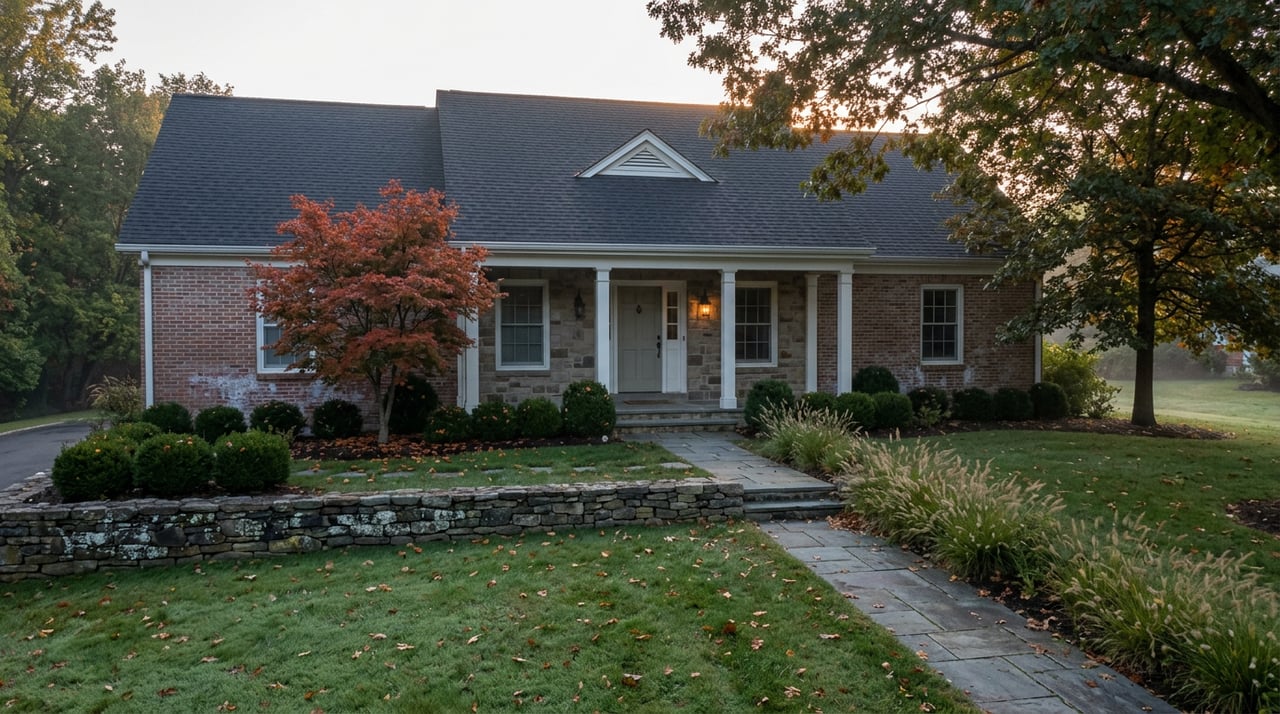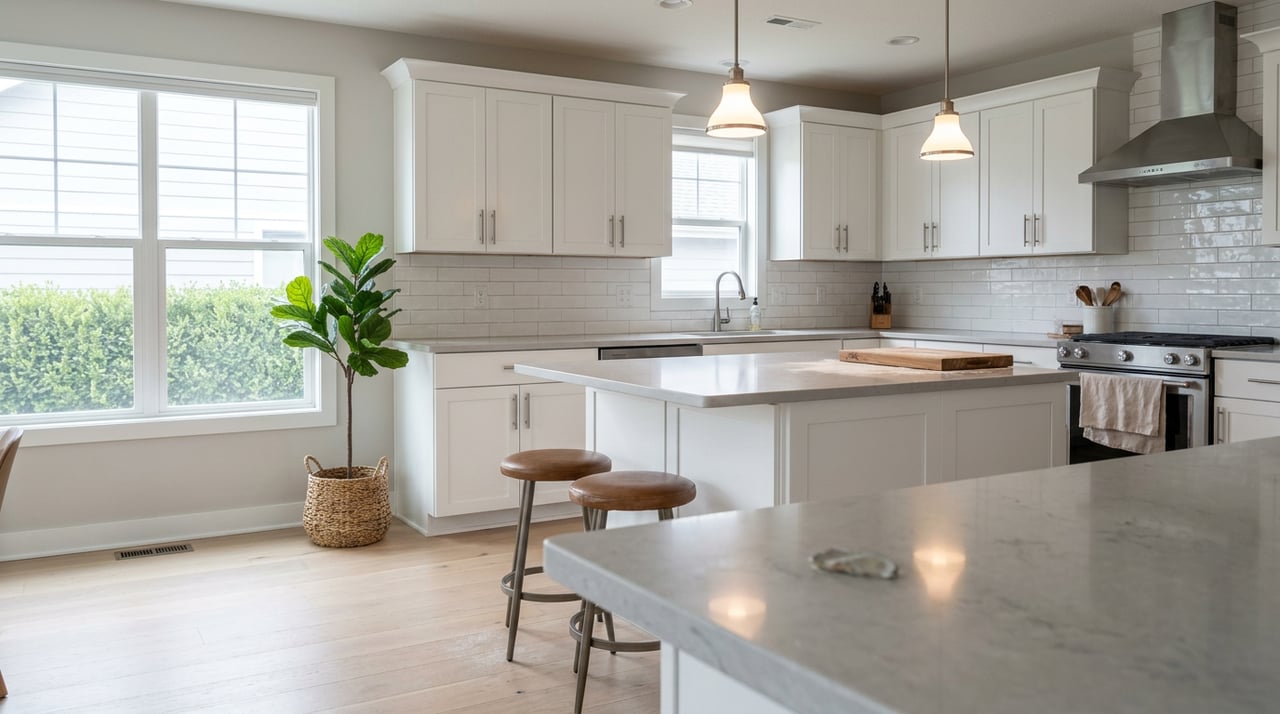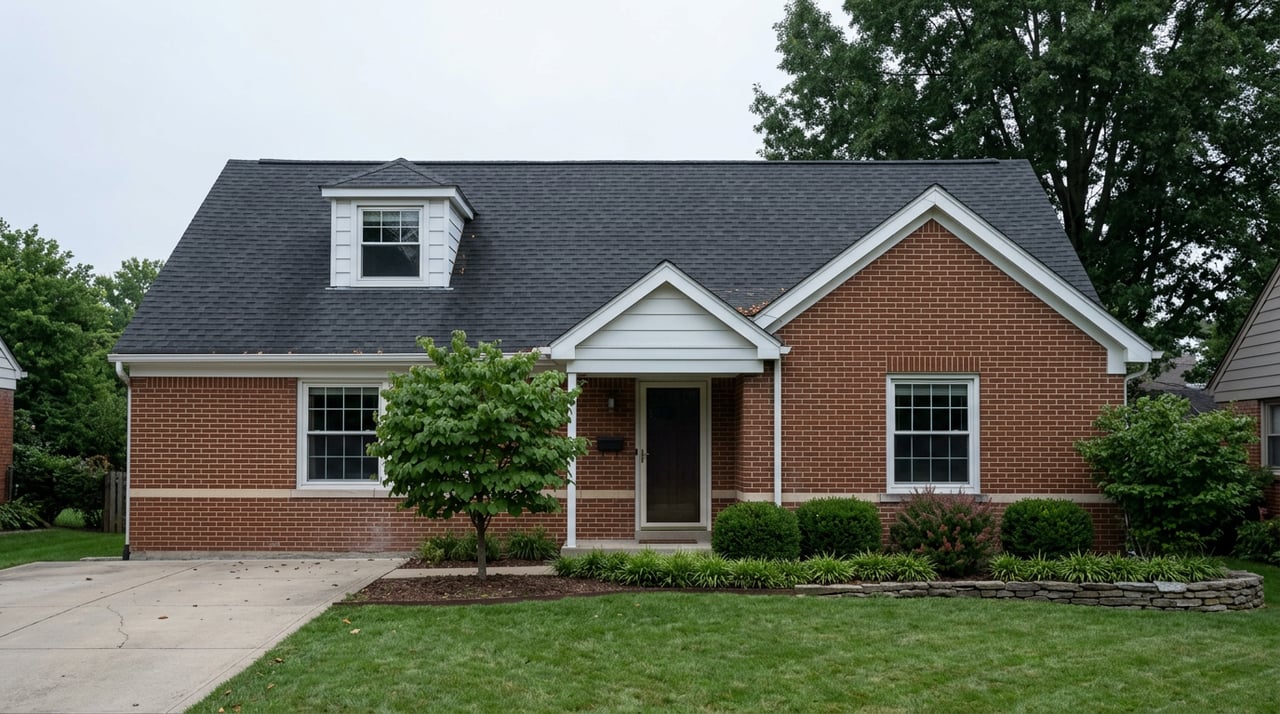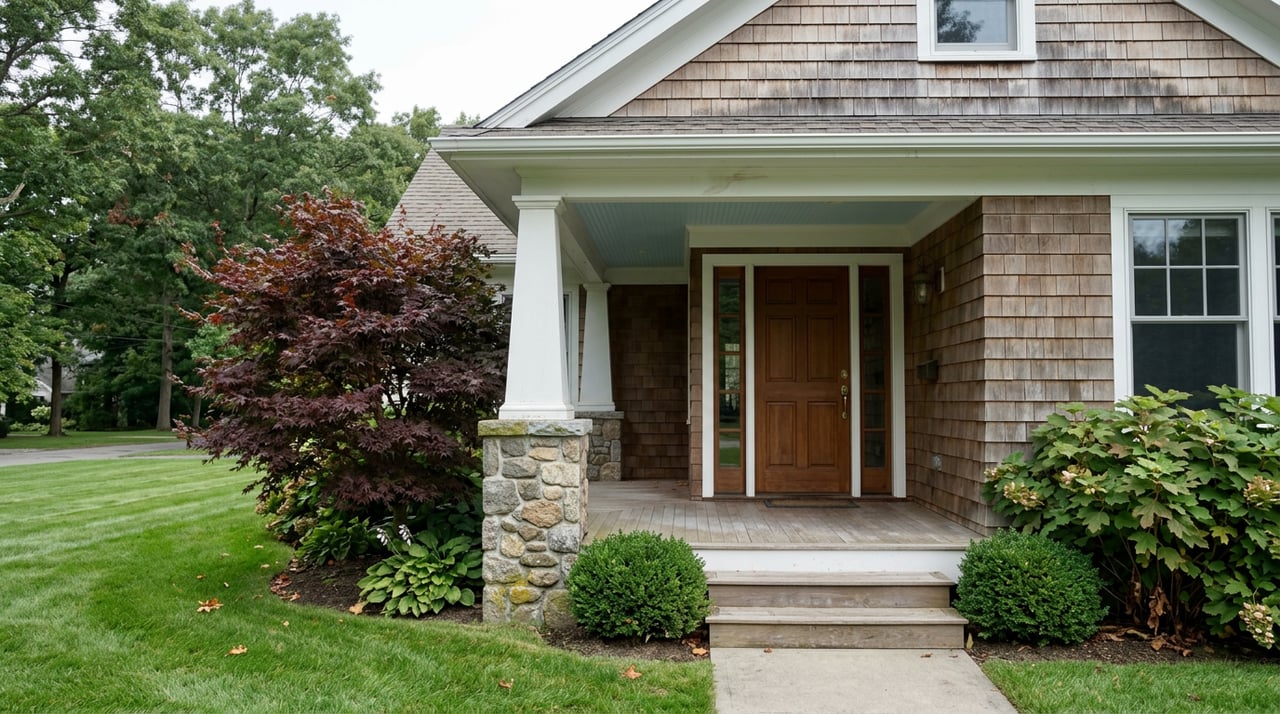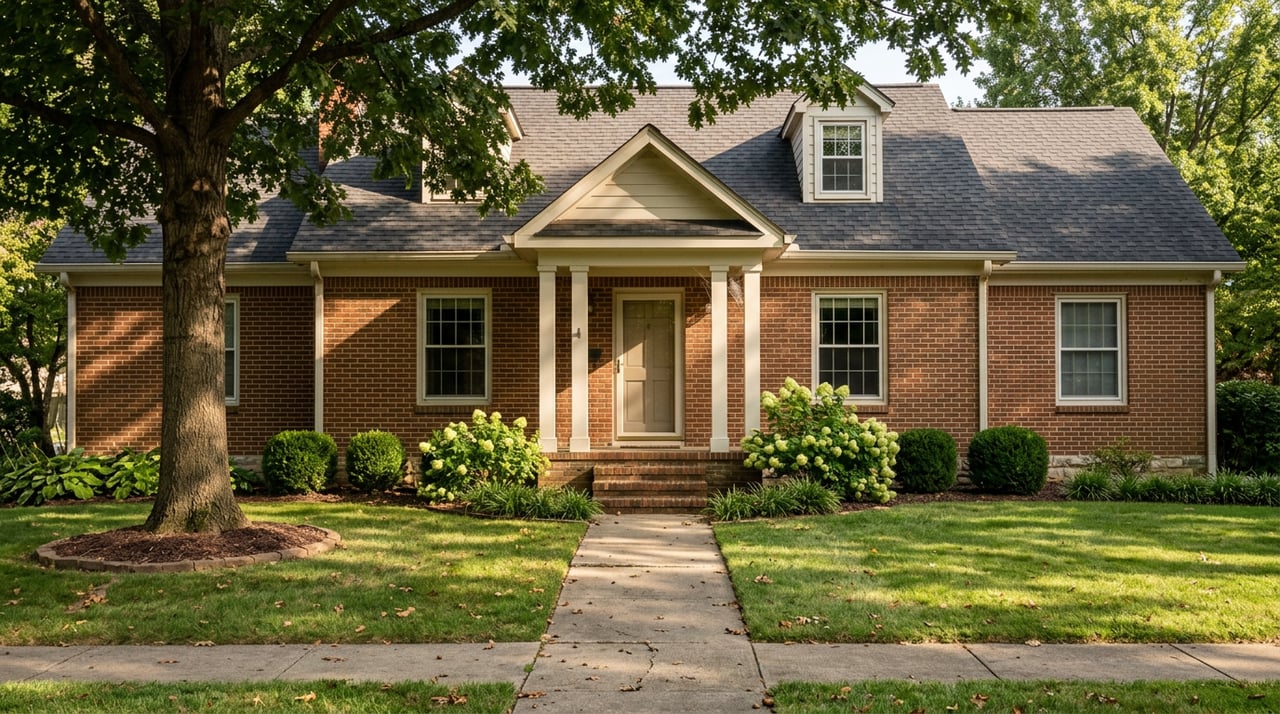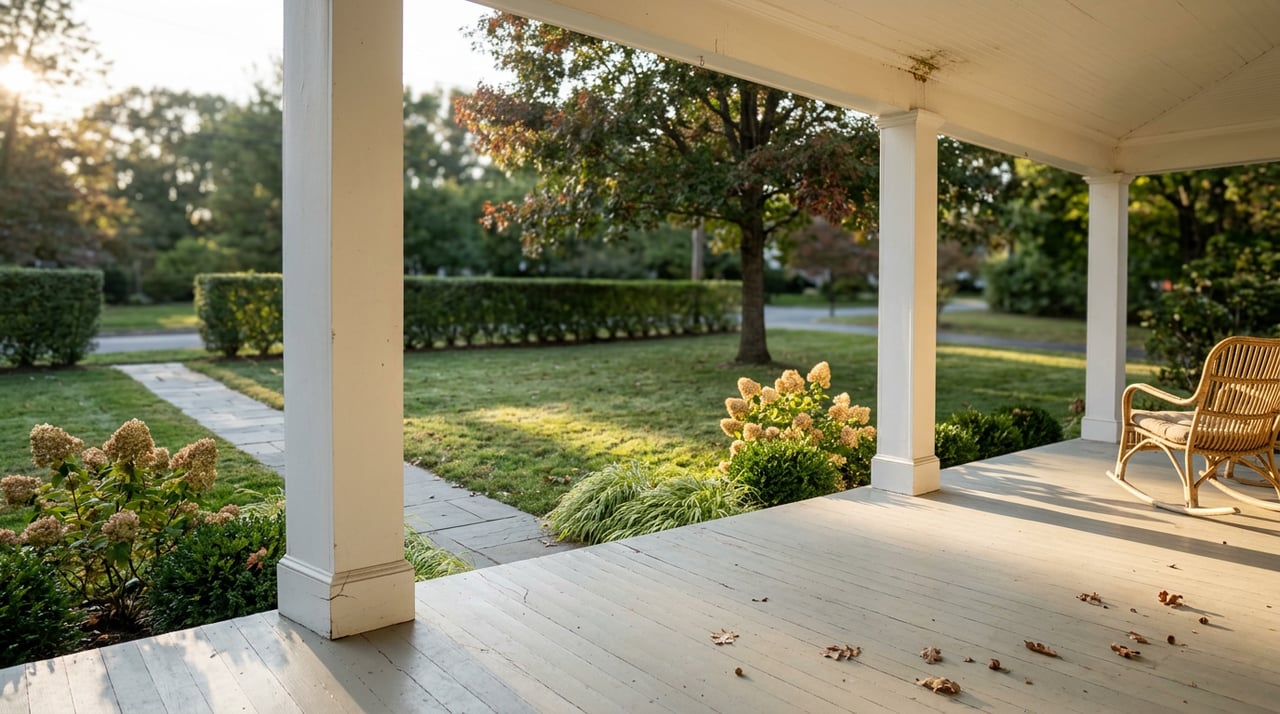
Two Penn Hills homes list on the same Friday at the same price. One goes pending in a week. The other sits until Halloween. The difference is rarely the paint color or the kitchen. It is a stack of paperwork most sellers do not learn about until the buyer's lender asks for it.
Penn Hills is one of the eastern suburbs where a home sale is not a two-party transaction. The Municipality of Penn Hills sits at the table too, through a resale occupancy inspection and a separate dye test, and it will not sign off until specific items on a code punchlist are cleared. That is the mechanism behind the market's split personality. Redfin has recent Penn Hills medians at roughly $180,000 with 61 days on market as of December 2025, while Movoto's tracker shows a $194,000 median moving in about 10 days by May 2026. Same houses, same schools, same streets. The homes that close fast are the ones where the seller ran the municipal gauntlet before the sign went in the yard.
What Penn Hills Actually Requires Before You Can Transfer Ownership
Under the Penn Hills zoning code, no property can change ownership without a Certificate of Use, Occupancy and Compliance issued by the Code Enforcement Officer. The applicable section directs the officer to inspect within 10 days of the seller's notice, which means the inspection is a scheduling item, not a rubber stamp.
The inspector arrives with a punchlist. The Penn Hills Code Enforcement resale punchlist is public, and reading it before you list is the single highest-leverage move a Penn Hills seller can make. The items that catch long-tenured owners off guard are almost always the same:
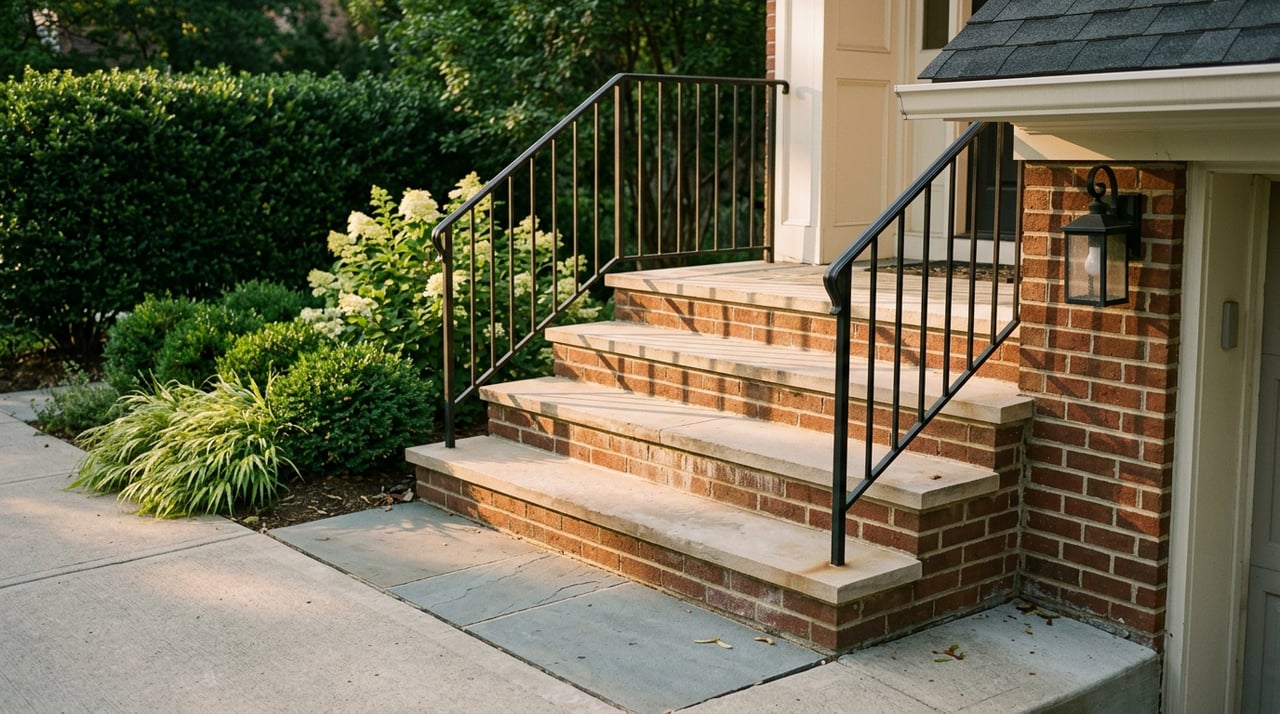
- Interior and exterior handrails wherever there are four or more risers, and they have to be graspable
- A 1 3/8 inch or 1 3/4 inch solid-core wood door between an integral garage and the basement, with no inset panels
- A one-hour fire-rated garage ceiling, taped and finished
- GFCI outlets near kitchen counters and on all exterior receptacles
- Balusters spaced no more than 4 inches apart wherever there is a 30-inch drop
- All broken window glass repaired or replaced
- Grass maintained at a uniform 10 inches or less
- A third-party electrical inspection sticker on the panel
- A dye test, under a separate ordinance, with its own fee
Most Penn Hills housing stock predates modern code on garage separation, GFCI protection, and baluster spacing. A house built in 1962 was legal in 1962. It is not legal to transfer in 2026 without addressing those items or negotiating them into the deal with full disclosure.
Inspections run Monday through Friday, 9:00 a.m. to 2:00 p.m., on the hour, and someone has to be at the property to let the inspector in. The visit usually takes under half an hour. Scheduling and re-inspection questions go to Code Enforcement at 412-342-1192, at 102 Duff Road.
The Dye Test Is A Separate Ordinance With Its Own Clock
The dye test is not part of the general inspection. It is governed by its own ordinance, and the current dye test form sets the application fee at $25 payable to the Municipality of Penn Hills. The application has to be submitted at least seven days before the date of sale.
The test itself checks whether stormwater from gutters, downspouts, driveway drains, or yard drains is illegally connected to the sanitary sewer. A licensed plumber runs dye through those points and confirms nothing comes out at the sanitary lateral. If it does, the illegal connection has to be corrected, and the Compliance Officer will not issue evidence of compliance until it is. That correction can range from a rerouted downspout on the cheap end to trenching a new storm line out to the curb on the expensive end.
Penn Hills publishes a list of registered plumbers who can perform the test, including Ace Plumbing (412-793-1212), Bartolomeo Plumbing (412-793-8830), Sembower-Mikesell (412-241-0195), Beasley Plumbing (412-271-9293), and Sullivan Plumbing (412-271-0900). Using a plumber not on the approved list means the results will not be accepted, and you will pay twice.
One thing worth flagging for sellers who also own property inside city limits: the City of Pittsburgh runs a different program through Pittsburgh Water, where a dye test certificate is valid for three years and can sometimes be reused. Penn Hills does not work that way. Every transfer starts fresh.
The Sequencing Problem That Costs Sellers Two Weeks
The trap is treating these as closing-week items. They are not. The order matters, because a fail on the dye test can trigger excavation, and a fail on the electrical inspection can trigger panel work, and neither of those is a same-week fix in the current trade market.
A workable Penn Hills seller timeline looks closer to this:
- Six to eight weeks before listing, pull the punchlist and walk the house against it yourself. Photograph the garage-to-basement door, the panel sticker, the handrails, the balusters, the GFCI outlets.
- Four to six weeks before listing, book a registered plumber for the dye test and file the application with Code Enforcement. Give yourself runway to correct a bad result without renegotiating a closing date.
- Two to four weeks before listing, address the code items your walkthrough surfaced. A carpenter can build code-compliant handrails and swap a garage door in a day. An electrician can add GFCI protection and provide the third-party inspection sticker in the same visit.
- One to two weeks before listing, request the occupancy inspection. If the punchlist comes back short, you have time to fix the specific callouts rather than negotiating credits under buyer pressure.
- List with the compliance path in hand and, where possible, evidence of compliance already issued.
Sellers who follow that order tend to show up in the 10-day column of the market data. Sellers who list first and discover the punchlist during the buyer's inspection contingency tend to show up in the 61-day column, often after a price reduction that costs more than the repairs would have.
What The Market Pace Actually Tells You
The headline numbers are useful only when you overlay the inspection reality on top of them.
| Metric | Reported figure | Source and window |
|---|---|---|
| Median sale price | $180,000 | Redfin, December 2025 |
| Median list price | $194,000 | Movoto tracker, May 2026 |
| Days on market | 10 to 61 depending on tracker | Redfin and Movoto, late 2025 through mid-2026 |
| Appreciation | 3.5 to 4.5 percent | 2026 aggregated MLS index |
| Sale to list ratio | Roughly 3 to 4 percent below list on average | Redfin, first half of 2026 |
A Penn Hills seller who reads that data and concludes "I have leverage" is half right. The leverage exists, but it belongs to inspection-ready listings. A house with an unresolved dye test finding or an open electrical callout is not competing in the 10-day market. It is competing in a much smaller pool of buyers willing to take on remediation, and those buyers price the risk aggressively.
That is the interpretation the raw numbers do not give you. The Penn Hills split is not about neighborhood tier or curb appeal. It is about which side of the punchlist the listing sits on the day it goes live.
A Short FAQ For Penn Hills Sellers
Can the buyer take the property with an unresolved dye test? Not cleanly. The municipality will not issue the occupancy certificate, and lenders in Allegheny County generally will not close without it. Buyers occasionally agree to hold funds in escrow for the repair, but that shifts the negotiation and often the price.
How long is the dye test result good for in Penn Hills? Treat it as transaction-specific. Unlike the City of Pittsburgh, where evidence of compliance is valid for three years, a Penn Hills dye test is filed against the pending sale and does not carry over indefinitely between owners.
Do I need the occupancy inspection if I am transferring to a family member or an LLC? Yes. The code language ties the certificate to the change of ownership, tenants, or occupants, not to the type of buyer. A quitclaim to a trust or an LLC still triggers the requirement.
What if my house is on septic instead of public sewer? The dye test process is different, and Code Enforcement will direct you to the correct septic verification path. Do not assume the standard dye test form applies.
Who pays for the punchlist repairs? By default, the seller. Some items can be negotiated into the deal with buyer credits, but the certificate has to be issued in the seller's name before transfer, which practically means the seller controls the work.
Ready To List With The Municipality Already Handled
Penn Hills rewards preparation with a fast, clean sale. It punishes improvisation with weeks of delay and a price reduction that pays for the same repairs twice. The homes that close in ten days are the ones where the punchlist was handled before the sign went up.
If you are thinking about selling in Penn Hills this year and want a listing strategy built around the municipal calendar as well as the market calendar, the Jen Mascaro Team will walk your property against the punchlist, coordinate the dye test with an approved plumber, and time your listing so evidence of compliance is in hand before the first showing. What's your property worth? Let's find out.