Buying your first home can feel like a huge leap, especially when you are trying to balance budget, space, commute, and future upkeep all at once. If you are considering Garden City in Monroeville, you are likely looking for a place that feels practical, established, and within reach. The good news is that this area offers a strong starter-home conversation for buyers who want a suburban address with everyday convenience. Let’s dive in.
Why Garden City stands out
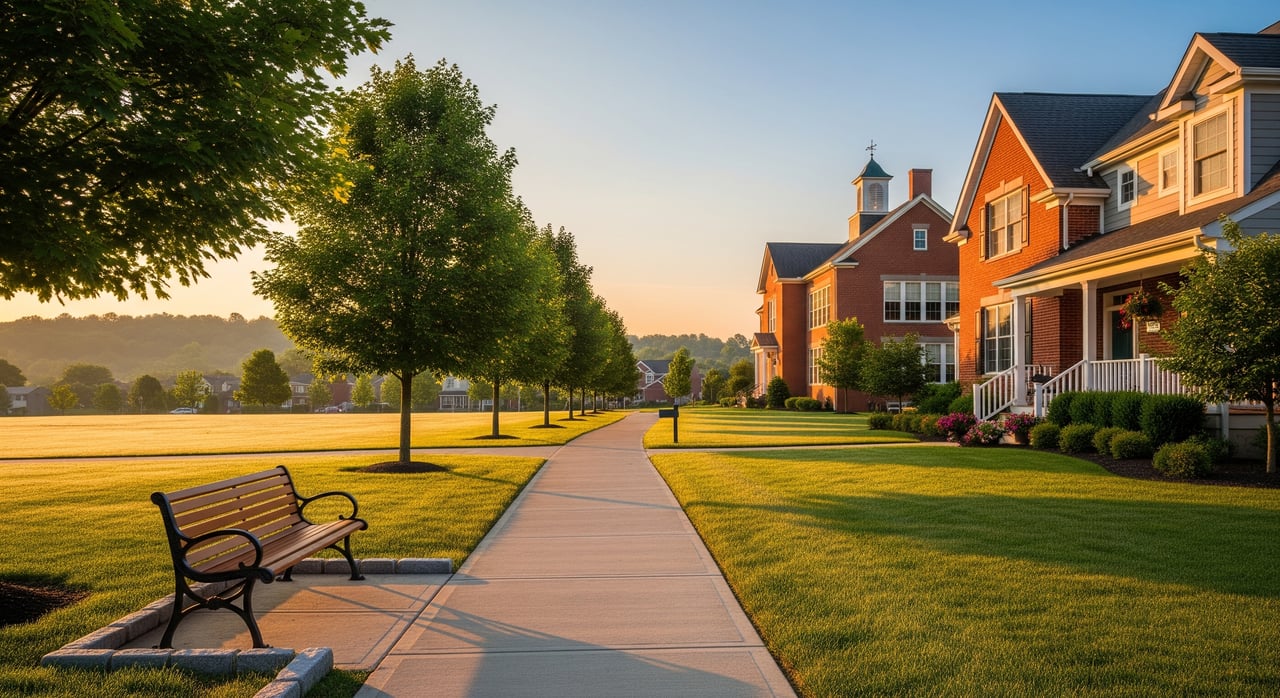
Garden City is part of Monroeville’s mid-1950s suburban growth, a period tied to major transportation and retail expansion in the area. According to Monroeville’s comprehensive plan background section, Garden City was one of several planned residential subdivisions built during that postwar era.
That history matters because it helps explain what you will find today: established streets, older single-family homes, and a location inside a municipality known as the Crossroads of Western Pennsylvania. Monroeville sits about 13 miles east of Pittsburgh, with I-376, I-76, and U.S. Route 22 converging nearby, which adds real value if you want easier regional access.
For many first-time buyers, Garden City can make sense as an entry point into homeownership without jumping straight into some of the highest-cost suburban options farther east. It is not about buying the biggest house on the block. It is about finding a manageable home in a connected location.
What kind of home you can expect
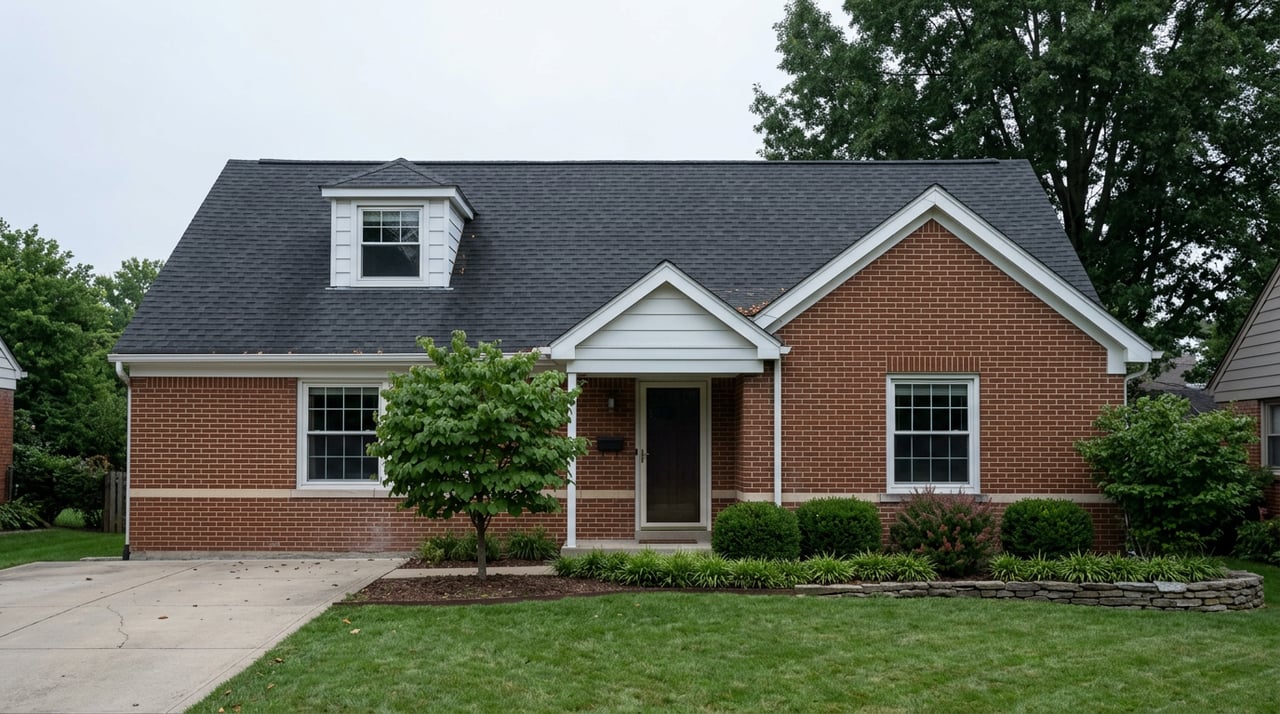
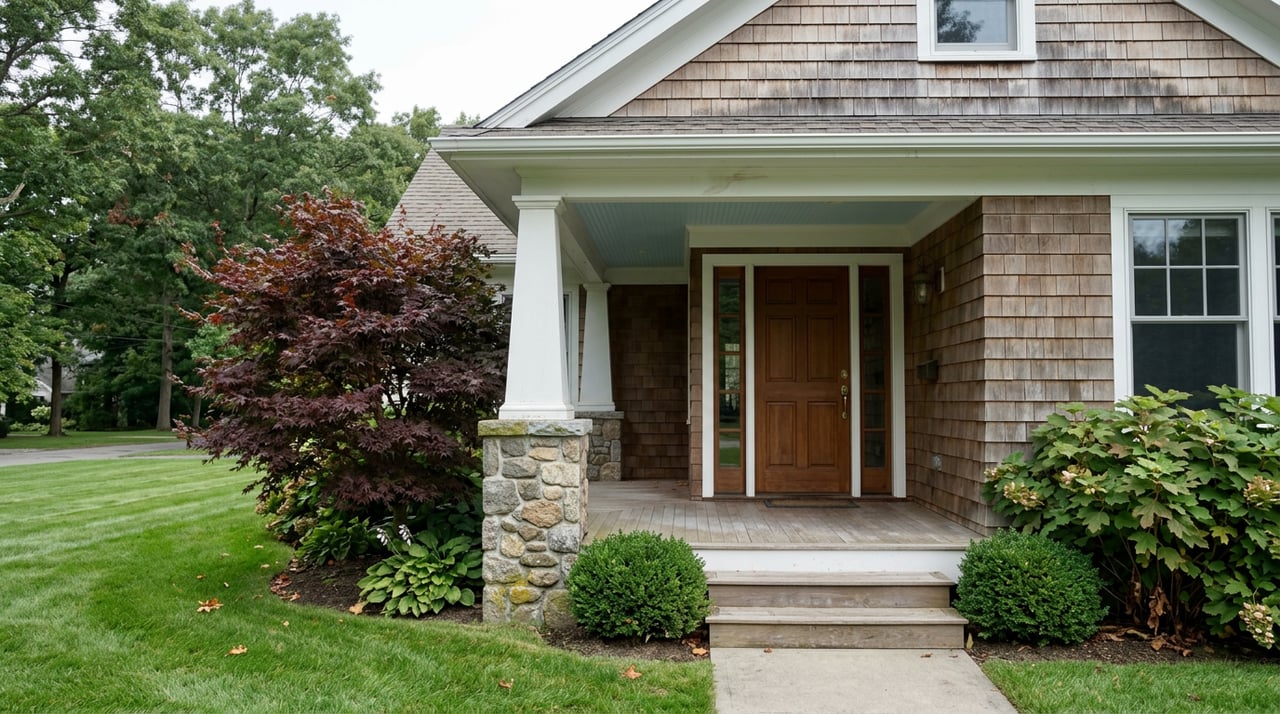
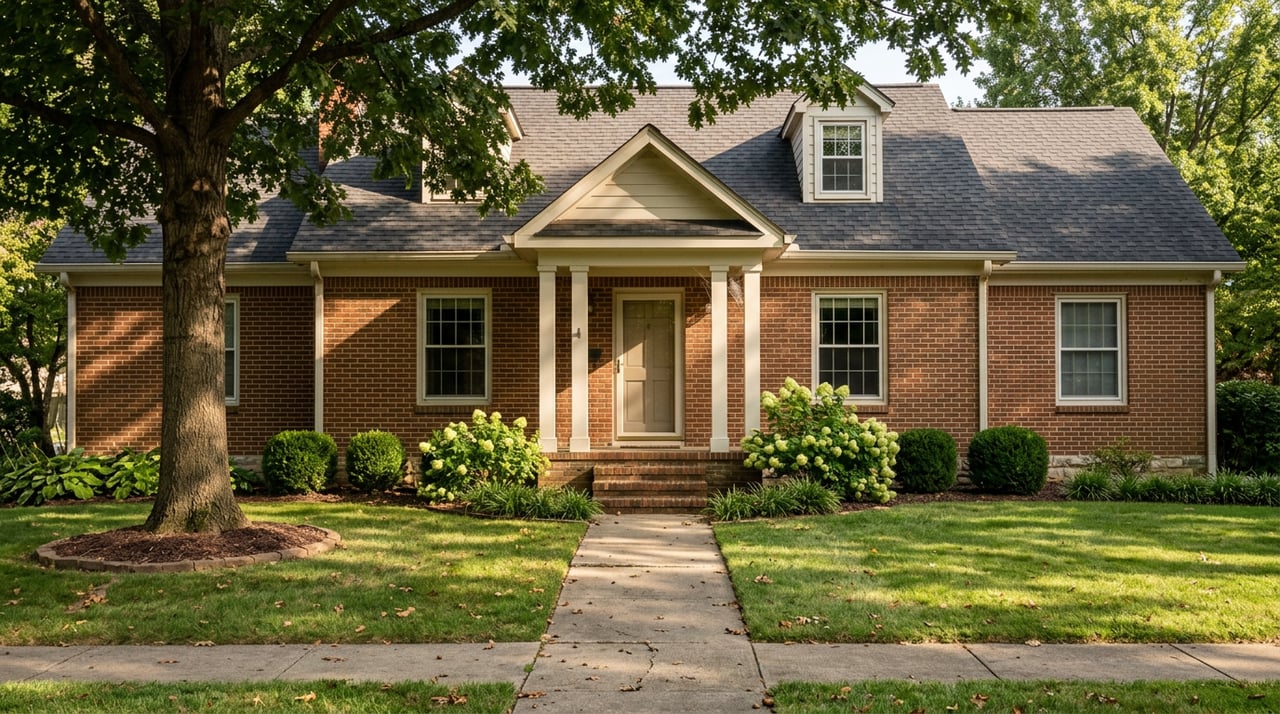
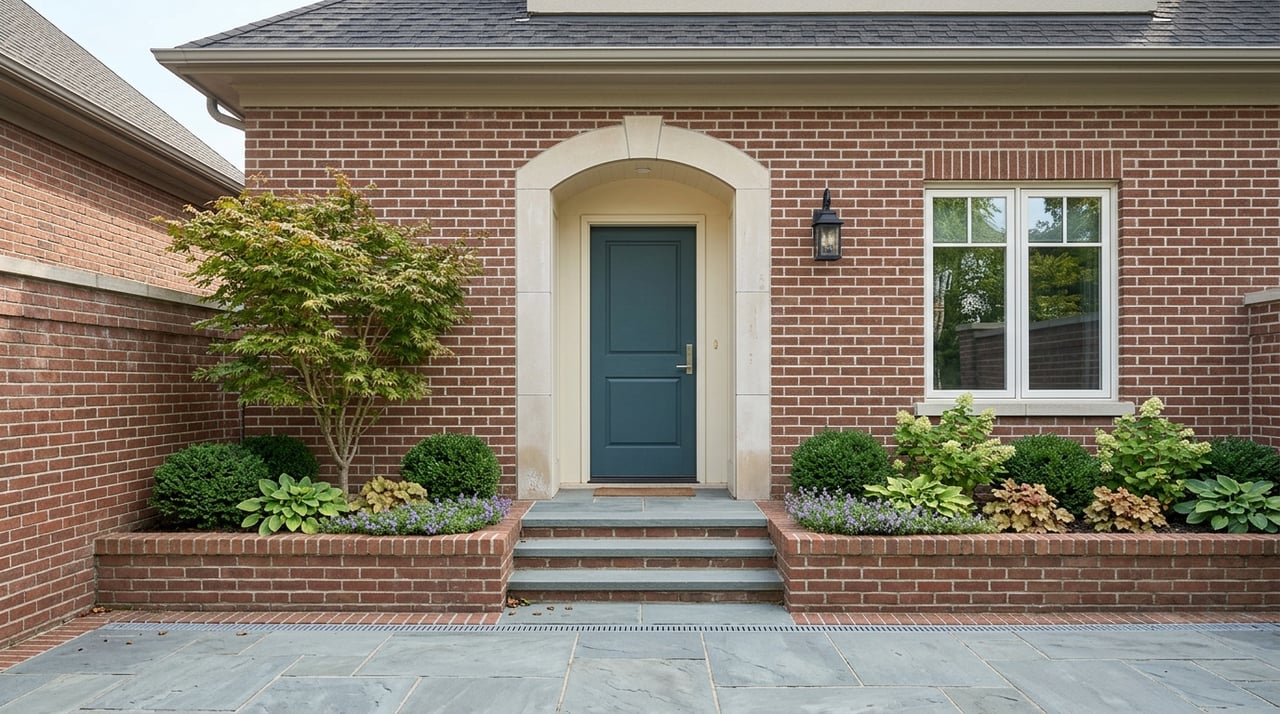
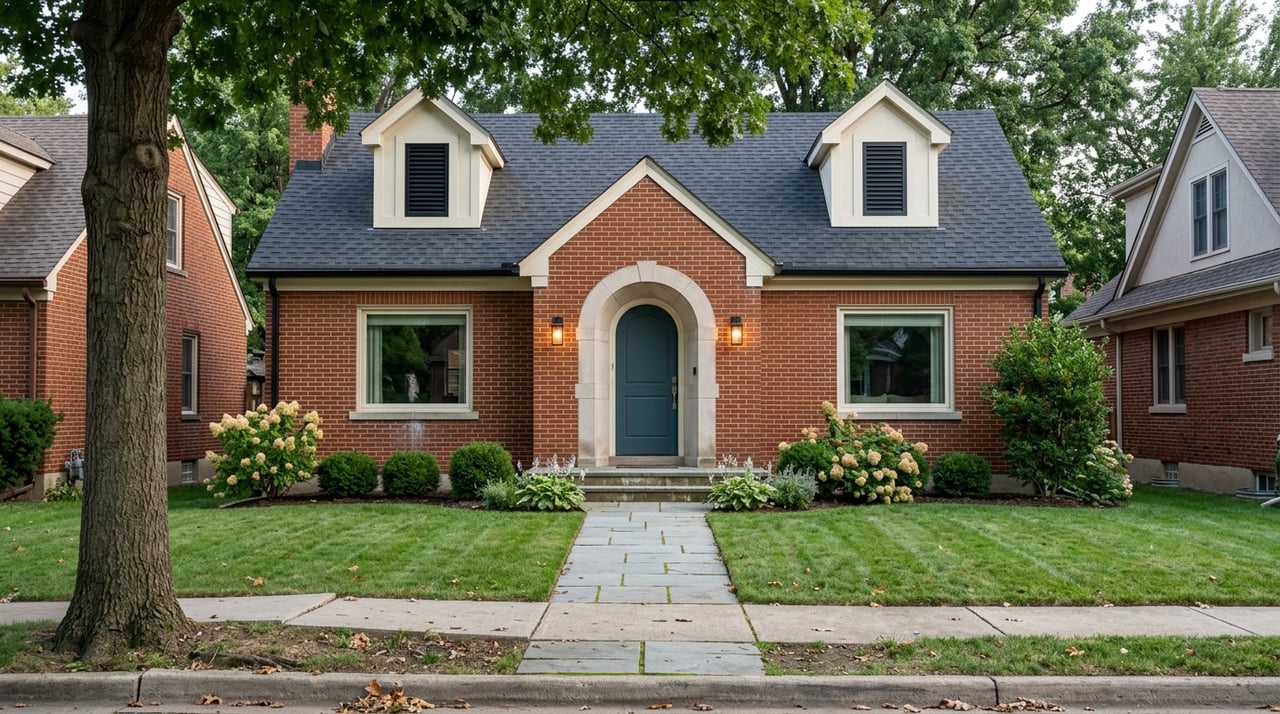
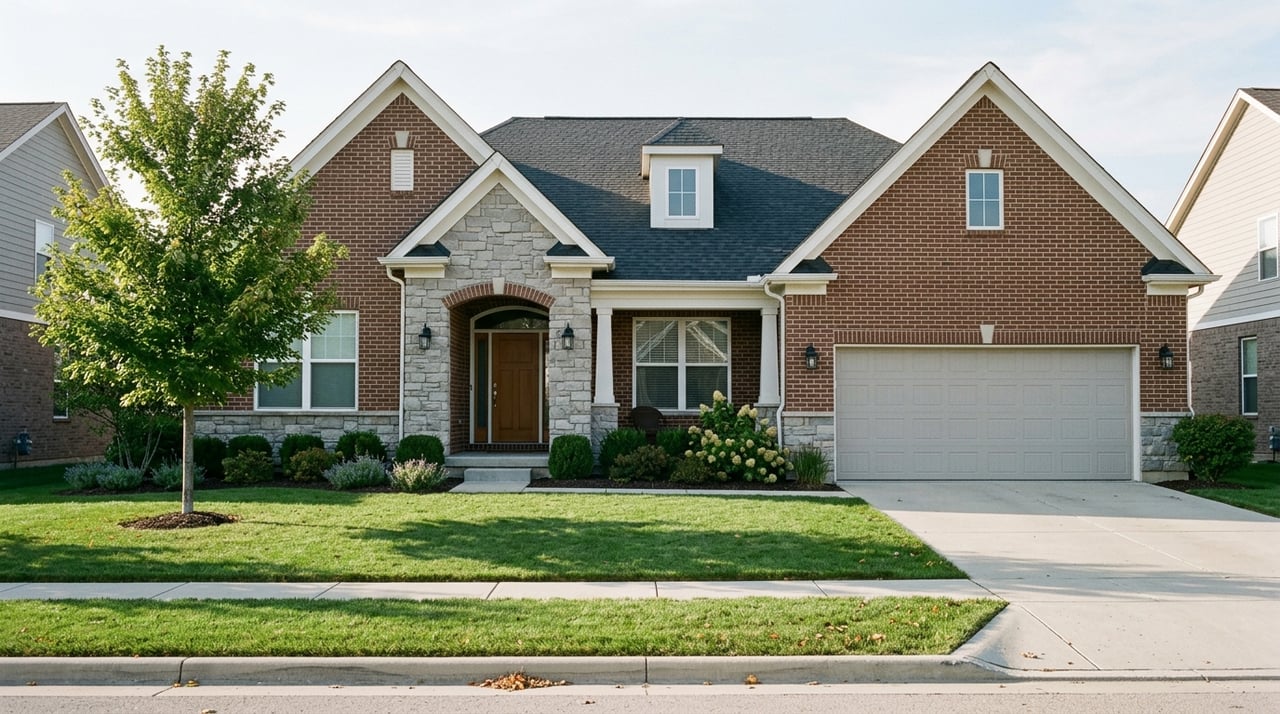
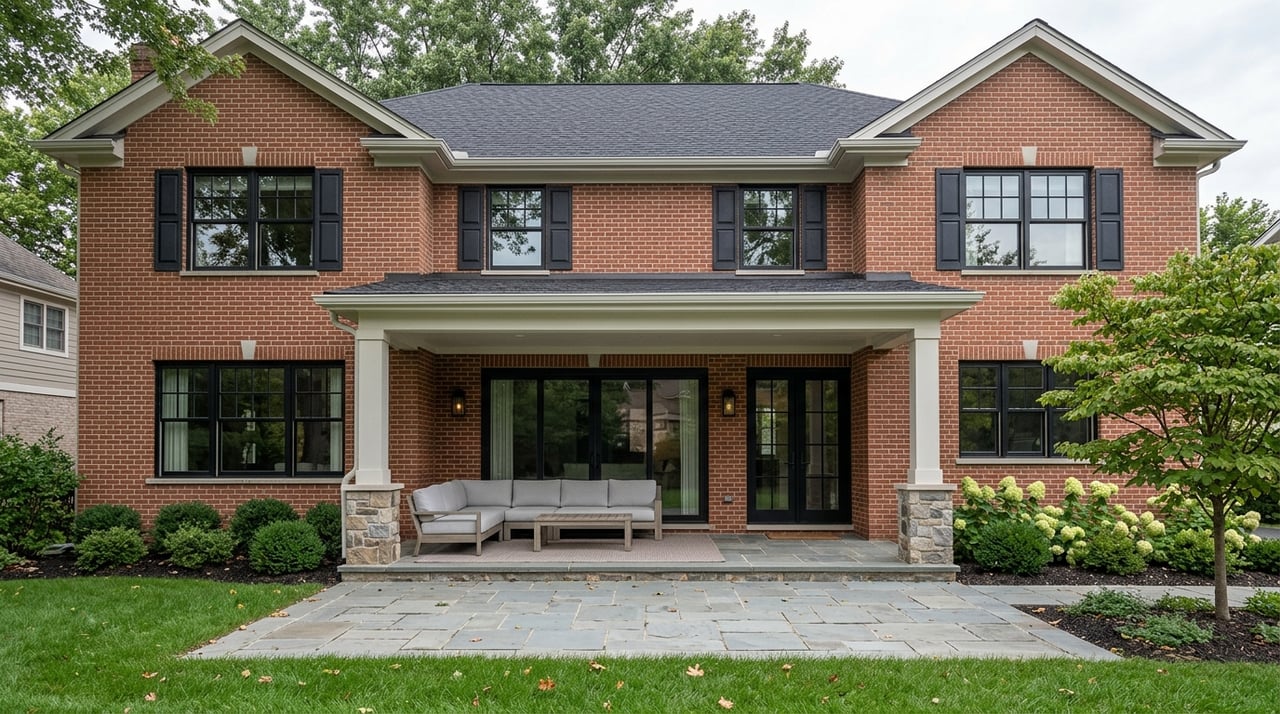
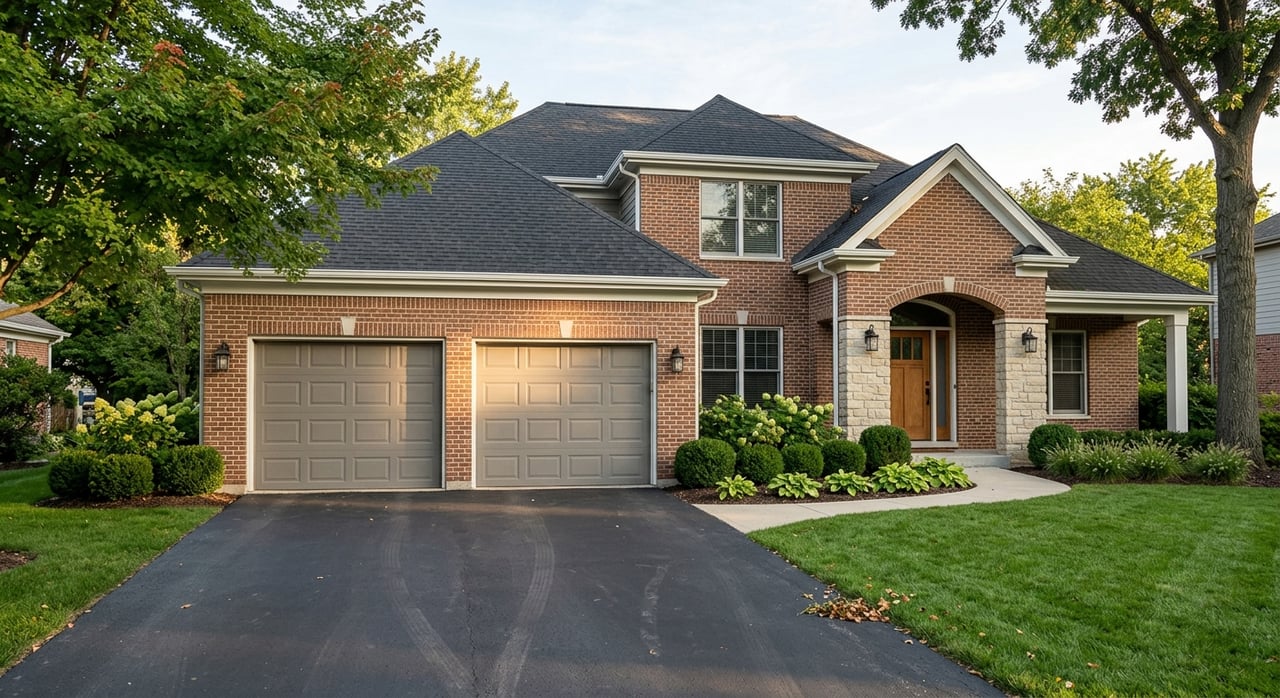
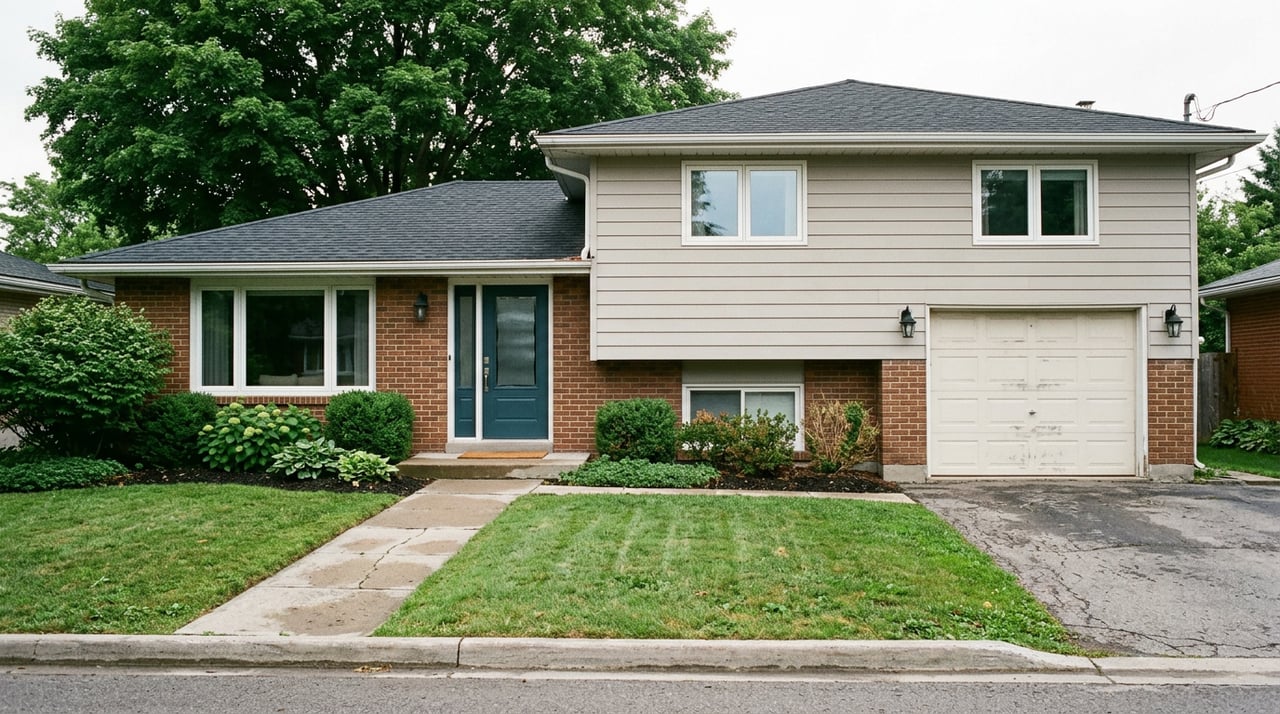
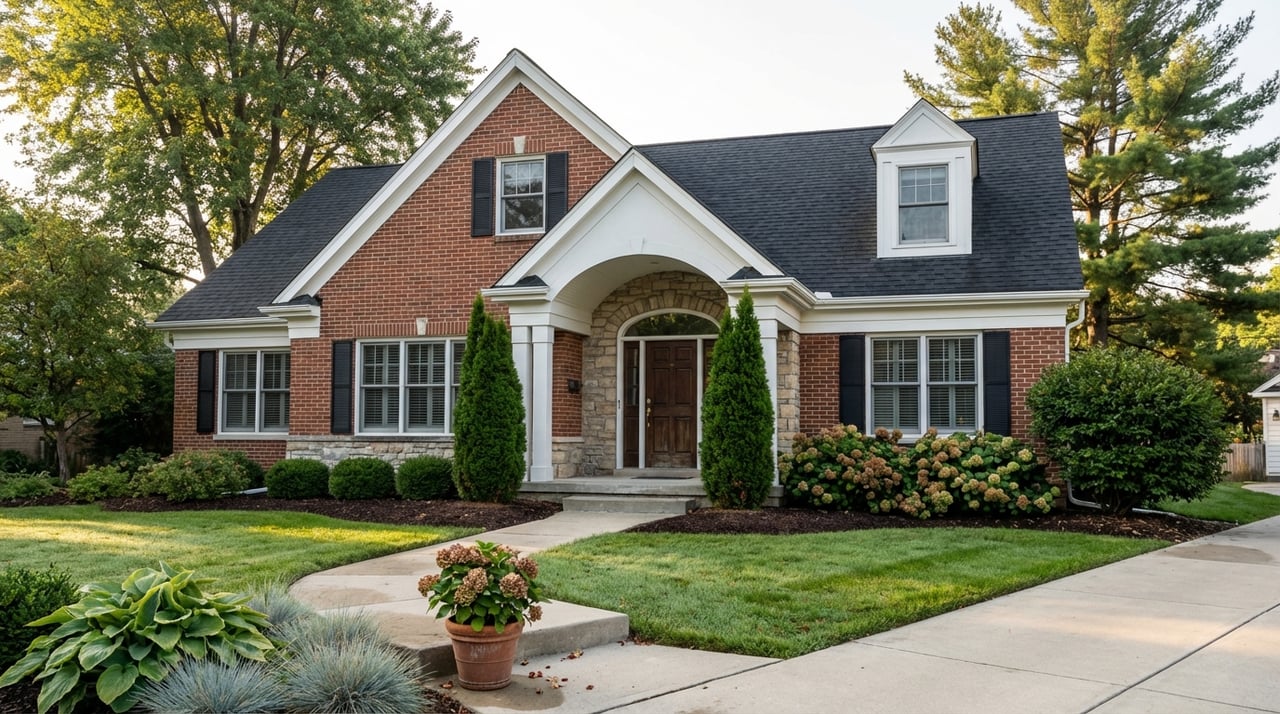
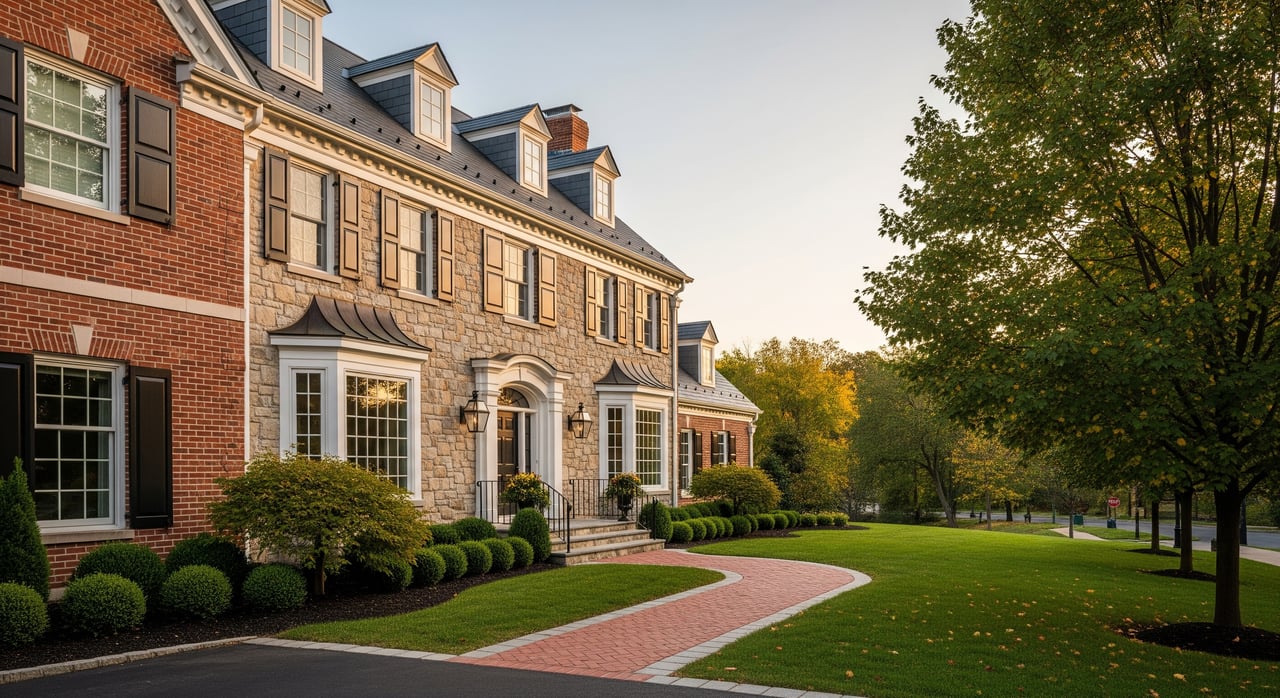
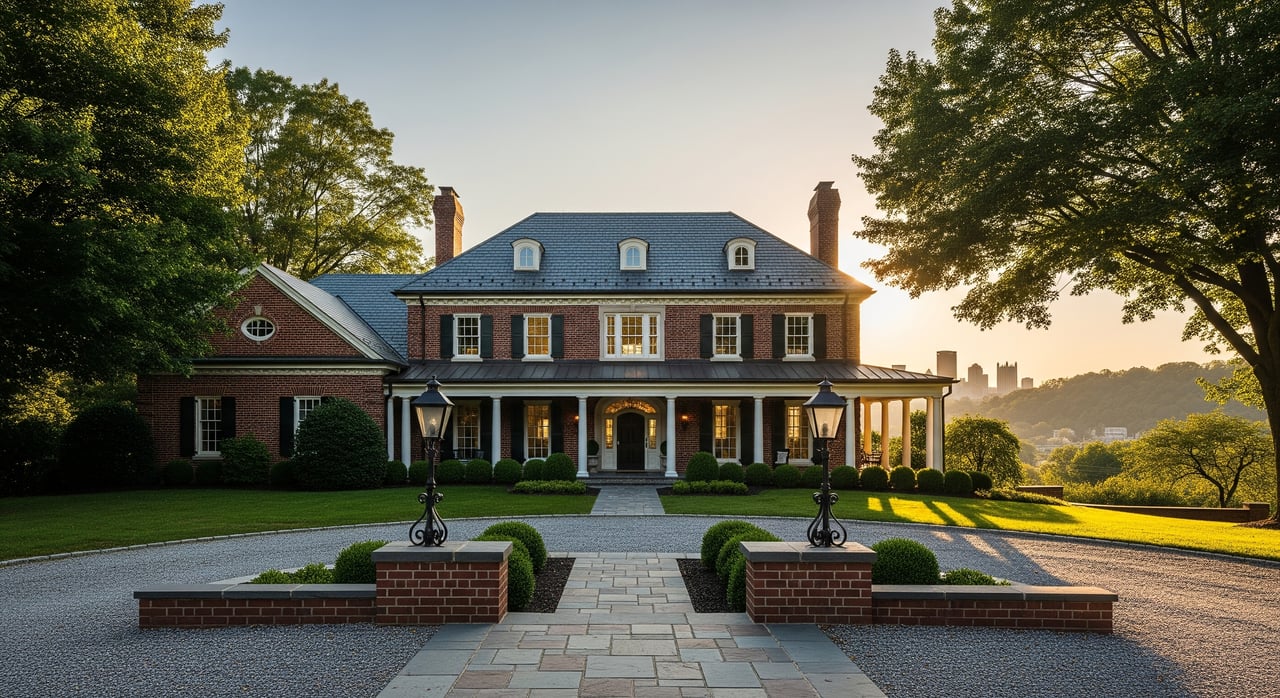
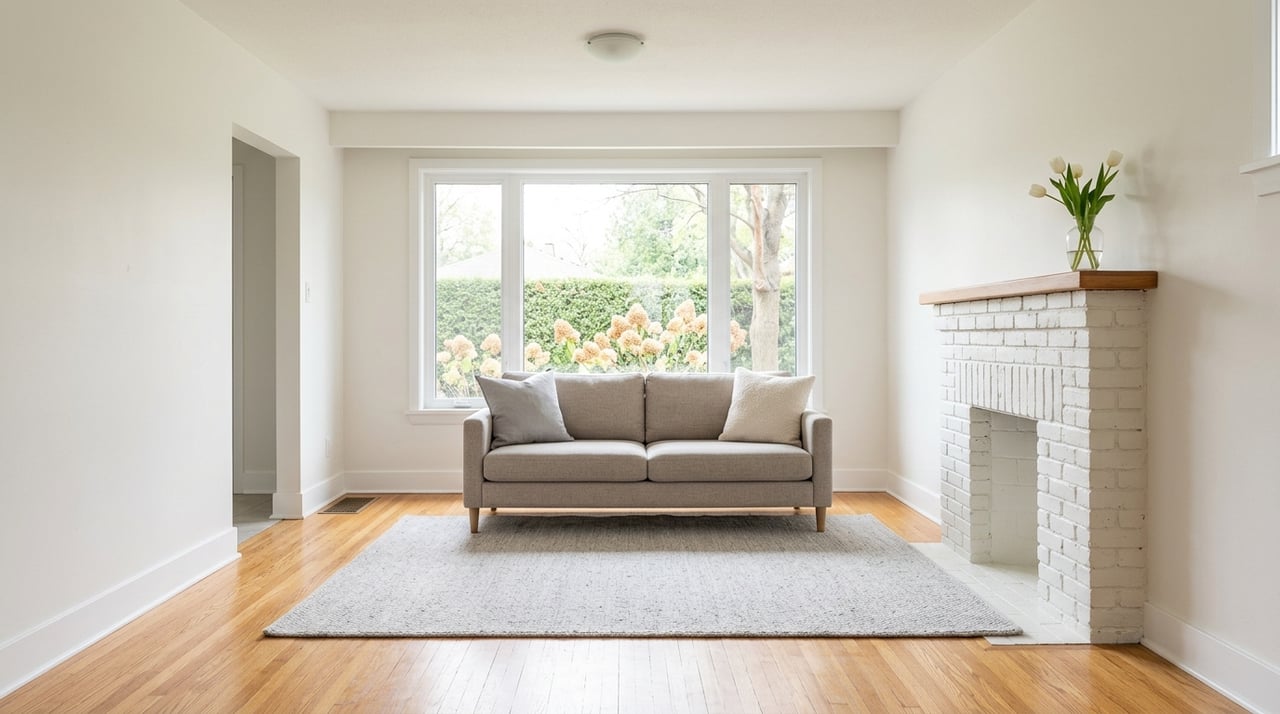
If you are picturing a brand-new subdivision, Garden City is probably not that. Based on live listing snapshots in the area, the neighborhood reads more like a pocket of mid-century single-family homes with practical layouts and modest suburban lots.
Recent examples point to homes ranging from about 900 to 1,900 square feet. Verified listing snapshots include homes such as 210 Garden City Dr at 900 square feet on an 8,781-square-foot lot, as well as other nearby properties built in the late 1950s and 1960 with larger footprints and similar lot patterns.
From those examples, a typical starter-home profile in Garden City appears to be:
- Roughly 900 to 1,900 square feet
- Usually single-family construction
- Lot sizes often around 7,500 to 10,500 square feet
- Occasional larger lots near one-third acre
- Home styles such as ranch, colonial/two-story, and split-entry
That is an inference from current and recent listings, not a formal subdivision survey. Still, it gives you a useful baseline if you are trying to picture what your budget may buy here.
How affordable is Garden City?
Affordability is never just about purchase price. You also need to think about monthly costs, taxes, maintenance, and how the home fits your day-to-day life.
Monroeville’s U.S. Census QuickFacts profile shows a median owner-occupied home value of $209,800, a median monthly owner cost with a mortgage of $1,626, a median gross rent of $1,175, and a median household income of $79,218. That data helps frame Garden City as a market where first-time buyers may find homes that compare reasonably with the broader Monroeville ownership picture.
Recent listing and sale snapshots in Garden City also support that conversation. The research report notes a 2025 sale at 210 Garden City Dr for $240,000, a 2023 sale at 725 Garden City Dr for $265,000, and an estimate around $227,156 for 816 Garden City Dr. That does not mean every home will fall into the same range, but it does suggest buyers should be prepared for many opportunities in the low-to-mid $200,000s rather than bargain-basement pricing.
Don’t forget property taxes
Taxes are a key part of your real monthly cost. Monroeville’s Tax Office page lists 2026 real estate tax rates of 5.5 mills municipal, 25.2718 mills for Gateway School District, and 6.43 mills county, for a combined 37.2018 mills before parcel-specific assessment effects.
The same page also notes a 1.5% combined municipal and school earned income tax for Monroeville residents. When you are building a starter-home budget, this is exactly why you want to look beyond the listing price. A home that seems comfortable on paper can feel different once taxes, insurance, utilities, and upkeep are added in.
Commute and convenience matter here
One of Garden City’s biggest strengths is that you are not choosing between suburban living and practical access. Monroeville’s location is one of the reasons it continues to attract buyers who want room to spread out without giving up convenience.
The municipality highlights Route 22, I-376, and I-76 access, along with shopping centers, the Monroeville Mall area, and the convention-center corridor on its new resident information page. For you, that can mean easier errands, easier commuting, and less of the daily friction that sometimes comes with outer-ring suburbs.
Monroeville’s census profile also reports a mean travel time to work of 25.1 minutes. While every commute depends on where you work, that figure helps show why this area often appeals to buyers who still need regular access to Pittsburgh and surrounding job centers.
Transit is a real backup option
If you do not want to drive every day, or you simply want another commuting option, Monroeville offers more than highway access. Pittsburgh Regional Transit’s Monroeville Mall Park and Ride has no parking fee, operates seven days a week, and offers 40 spaces.
That facility is served by routes 67 Monroeville, P67 Monroeville Flyer, and P68 Braddock Hills Flyer, with peak-hour frequency of about every 30 minutes. Route materials also show Route 69 serving stops at Haymaker Village and Forbes Hospital, which gives residents another bus-based option.
For a first-time buyer, that kind of flexibility matters. Even if you plan to drive most days, it is helpful to know you have alternatives.
What you should expect from an older home
Because many Garden City homes date to the 1950s and early 1960s, it is smart to go in with clear expectations. Older homes can offer character, solid locations, and manageable layouts, but they also call for careful due diligence.
That does not mean every home will need major work. It does mean you should expect to evaluate condition thoughtfully instead of assuming everything is updated behind the walls.
Here are a few areas to keep on your radar:
Lead paint rules
The EPA explains that most homes built before 1978 may contain lead-based paint. Sellers of most pre-1978 homes must disclose known lead hazards, and buyers typically receive a 10-day opportunity to inspect for lead paint or lead hazards under the federal disclosure framework described by the EPA’s real estate disclosure guidance.
In Garden City, that is especially relevant because much of the housing stock predates 1978 by decades. If you are buying your first home, this is not a reason to panic. It is a reason to stay informed and ask the right questions.
Home inspections
A home inspection is one of the most important steps you can take. The CFPB recommends scheduling an independent inspection as soon as possible so you have time to understand issues and decide how to move forward, as outlined in its guide to scheduling a home inspection.
If your contract is contingent on a satisfactory inspection, you may be able to negotiate repairs or cancel based on findings. For older starter homes, the inspection is where you learn whether the home’s value matches its condition.
Energy efficiency and future upgrades
Older homes can also come with efficiency gaps. The Department of Energy says a home energy assessment can help identify where a house is losing energy and where improvements may make the biggest difference.
Common priorities include:
- Air sealing
- Insulation
- Moisture control
- Ventilation
- Evaluating older HVAC systems
DOE also notes that older homes may have inadequate insulation and that HVAC equipment older than 15 years may be a candidate for replacement with a newer efficient unit. For you, that means it is wise to leave room in your budget for phased improvements after closing.
Budget for more than cosmetics
One of the biggest mistakes first-time buyers make is focusing only on the down payment and mortgage. In a neighborhood with older housing stock, you should also plan for a post-closing reserve.
A smart reserve might cover:
- Inspection-related repairs
- Lead-safe maintenance or updates, if needed
- Weatherization improvements
- Mechanical repairs or replacement over time
- Small yard or drainage improvements
That reserve does not need to fund a full renovation on day one. It simply gives you breathing room if the house needs more than fresh paint and furniture.
Everyday lifestyle in Monroeville
Starter-home buyers are not only buying square footage. You are also buying into a routine. Monroeville offers a mix of transportation access, shopping convenience, and outdoor amenities that can make daily life easier.
The municipality says it has more than 650 acres of parkland, which adds another layer of everyday value for residents who want green space and recreation close to home. Gateway School District also states that it serves Monroeville and Pitcairn with six schools and is conveniently located off the Pennsylvania Turnpike and I-376.
Those facts do not tell you whether a specific home is right for you, but they do help explain why Monroeville stays on the radar for buyers looking for practical suburban living.
Is Garden City a good first step?
For many buyers, yes. Garden City appears to offer a realistic first-home path if you want a single-family house, established streets, and a location that keeps you connected to major roads, retail, and transit options.
The tradeoff is that you are usually buying an older home, not turnkey new construction. If you are comfortable with that reality and you plan carefully for inspections, taxes, and future maintenance, Garden City can be a strong place to start.
If you want help weighing the numbers, understanding what to expect from older homes, or comparing Garden City with other Monroeville options, connect with Jen Mascaro. You will get clear guidance, local insight, and a responsive team that knows how to help buyers make smart moves with confidence.
FAQs
What size starter home should you expect in Garden City?
- Based on listing examples in the research, many Garden City homes appear to range from about 900 to 1,900 square feet, usually on modest suburban lots.
Is Garden City in Monroeville considered affordable for first-time buyers?
- It can be a practical option compared with broader suburban price points, especially since recent examples suggest many homes fall in the low-to-mid $200,000s, though affordability depends on taxes, financing, and maintenance costs.
What property taxes should you budget for in Monroeville?
- Monroeville lists a combined 2026 real estate tax rate of 37.2018 mills before parcel-specific assessment effects, plus a 1.5% combined municipal and school earned income tax for residents.
Can you commute from Garden City without driving every day?
- Yes, Monroeville offers bus-based options including the Monroeville Mall Park and Ride, which is served by several Pittsburgh Regional Transit routes.
What should first-time buyers check in older Garden City homes?
- You should pay close attention to inspection findings, possible lead-based paint issues in pre-1978 homes, energy efficiency, insulation, HVAC age, and any repairs that may be needed after closing.