Thinking about picking up a rental or starting a house hack in Penn Hills but unsure how the numbers pencil out? You’re not alone. Between older homes, layered property taxes, and block-by-block rent swings, getting an investment right here takes a clear plan. In this guide, you’ll see current price and rent benchmarks, a simple pro forma, key permits and taxes to budget, and a step-by-step checklist to evaluate a deal with confidence. Let’s dive in.
Penn Hills at a glance
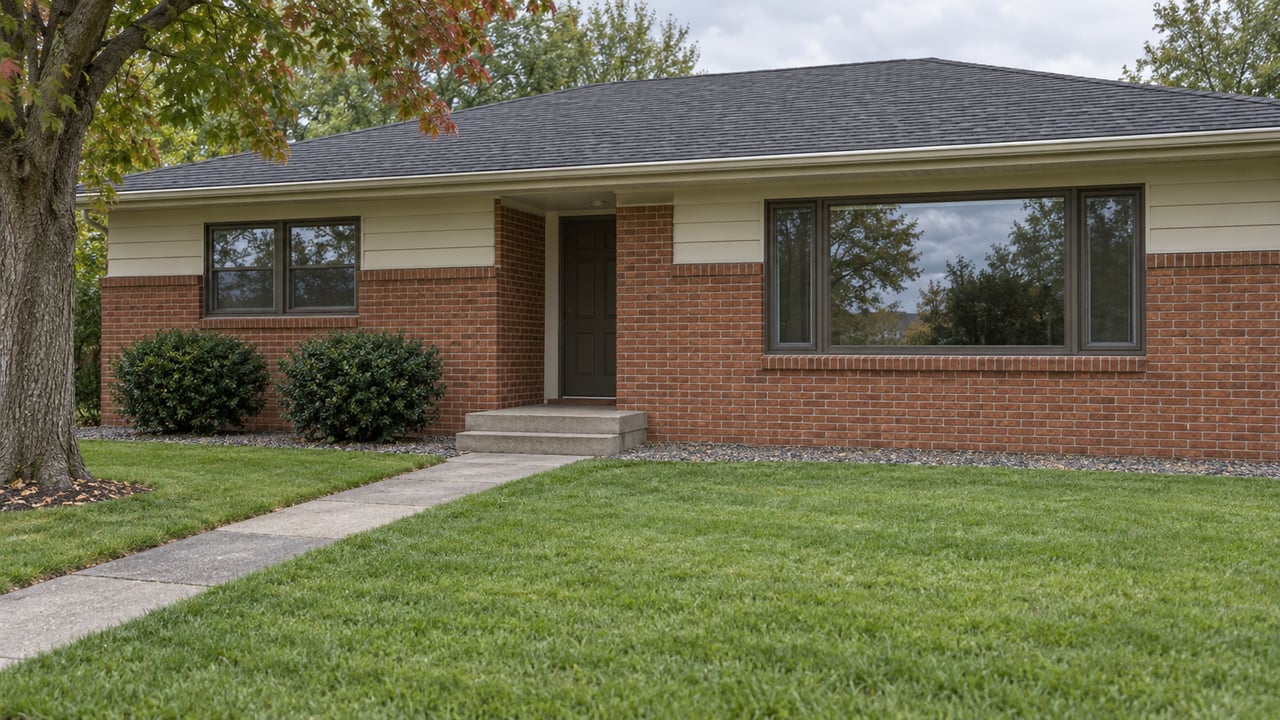
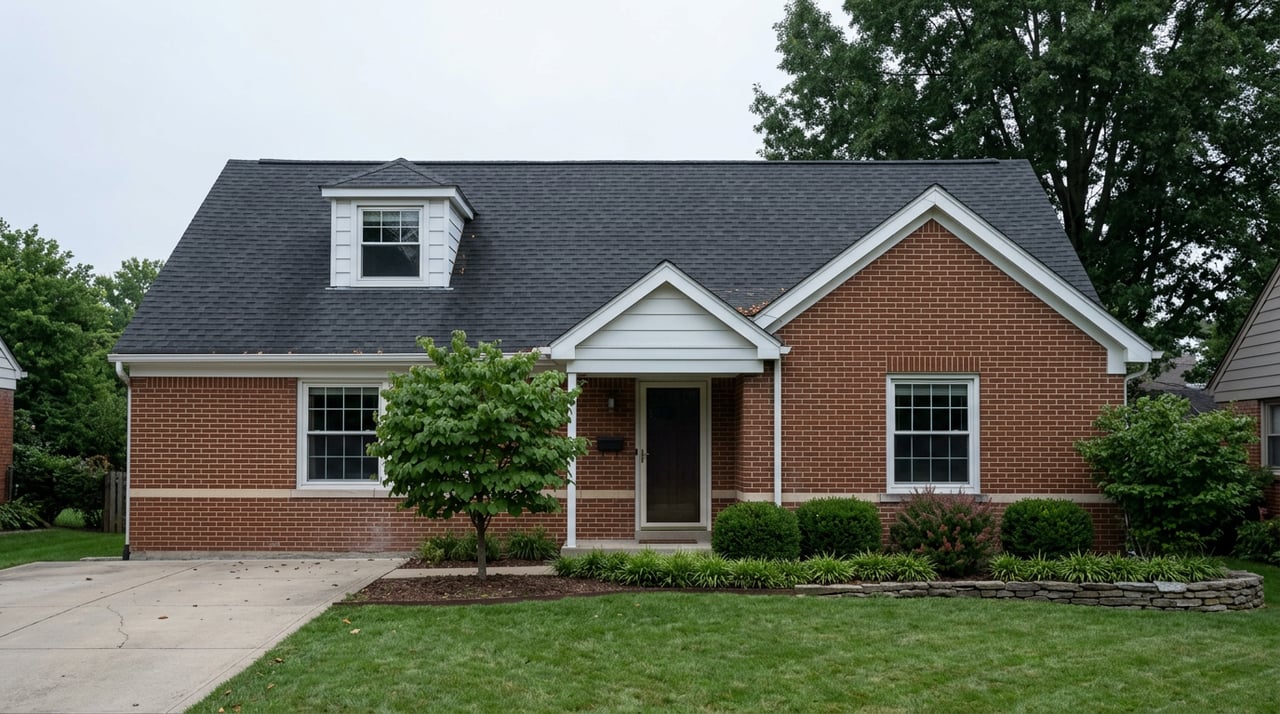
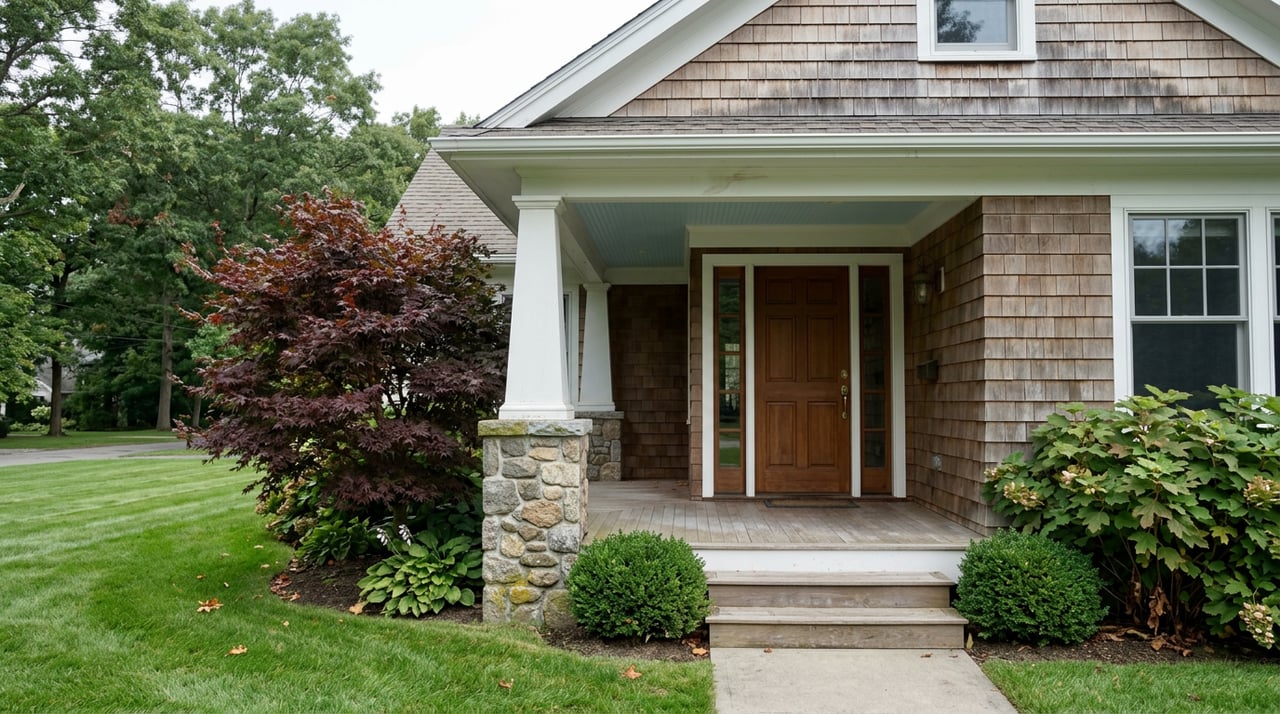
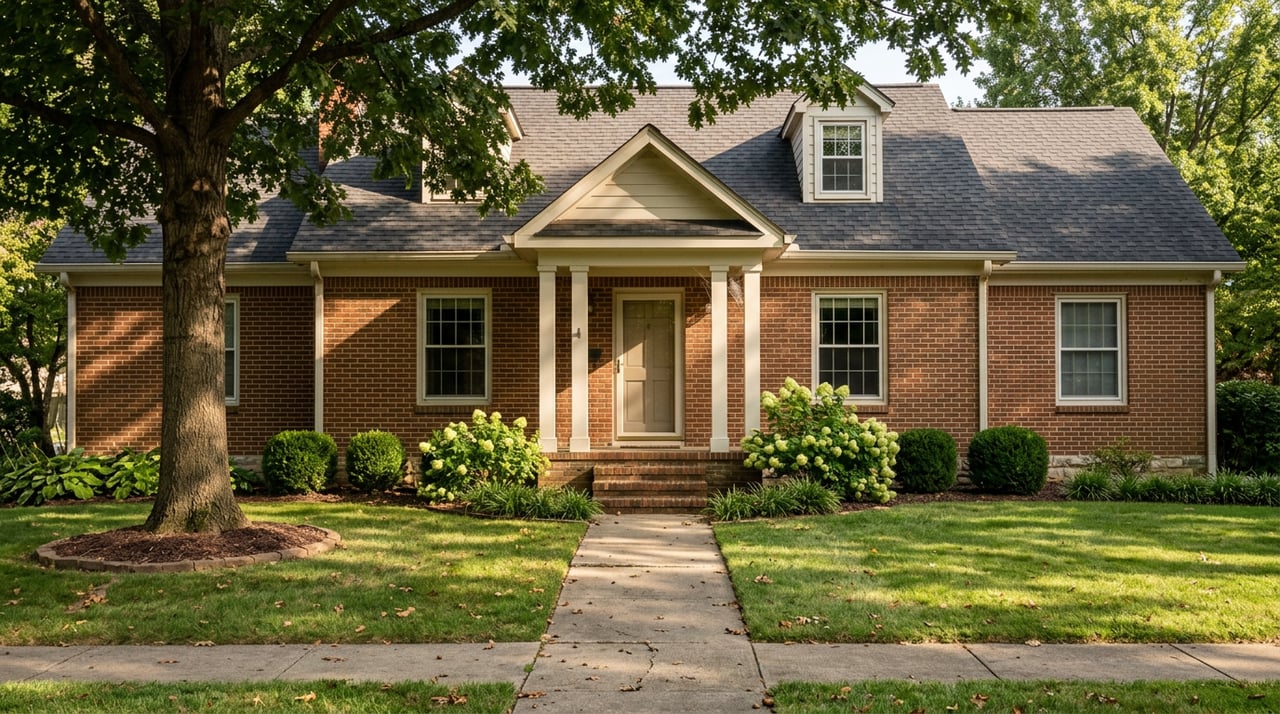
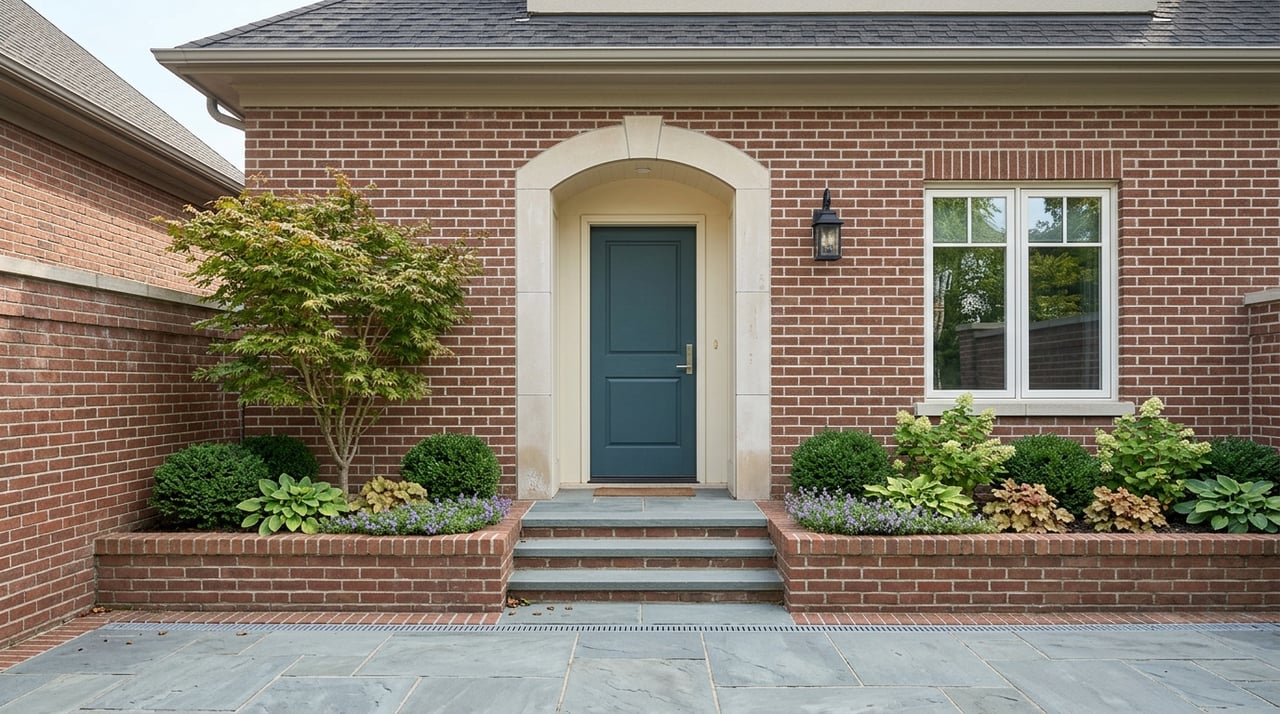
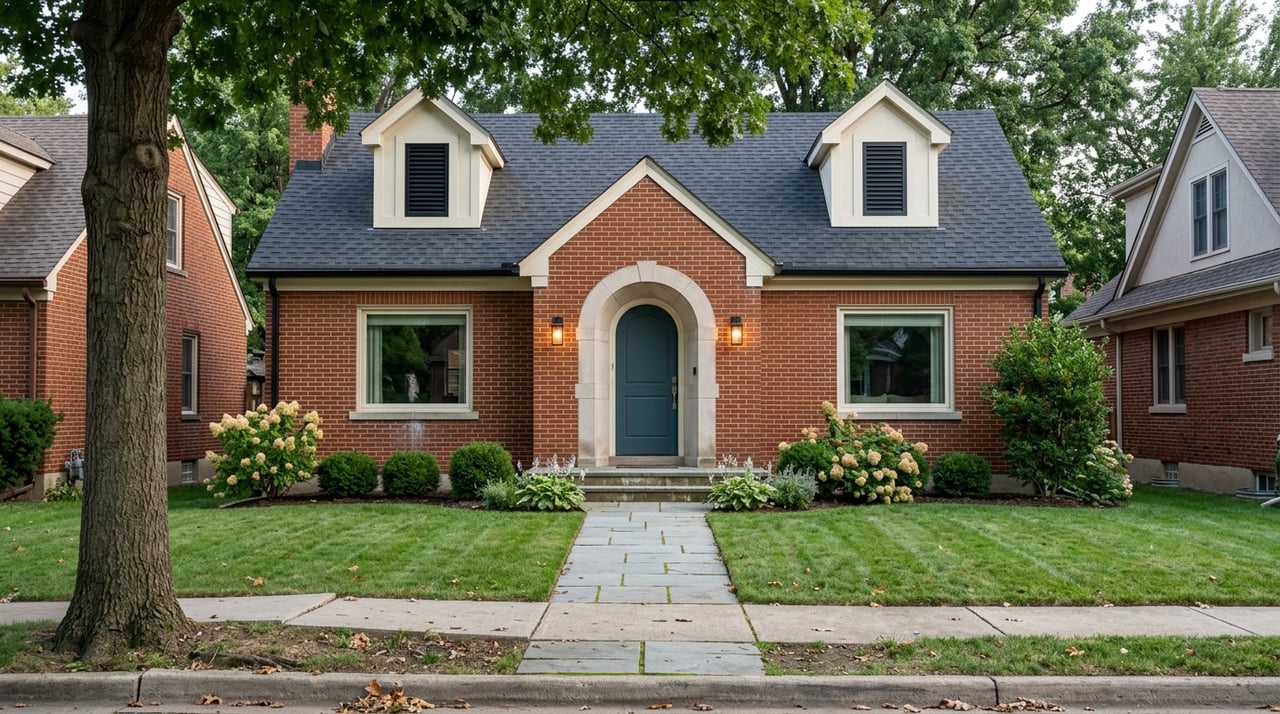
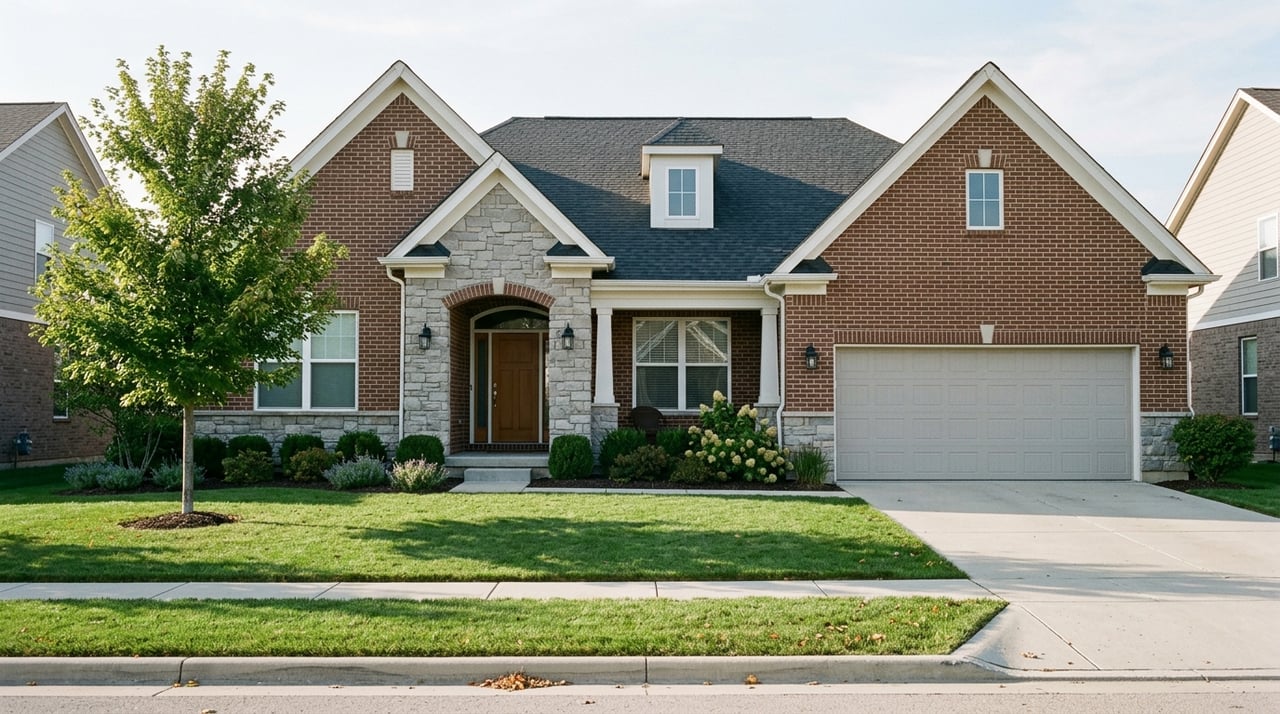
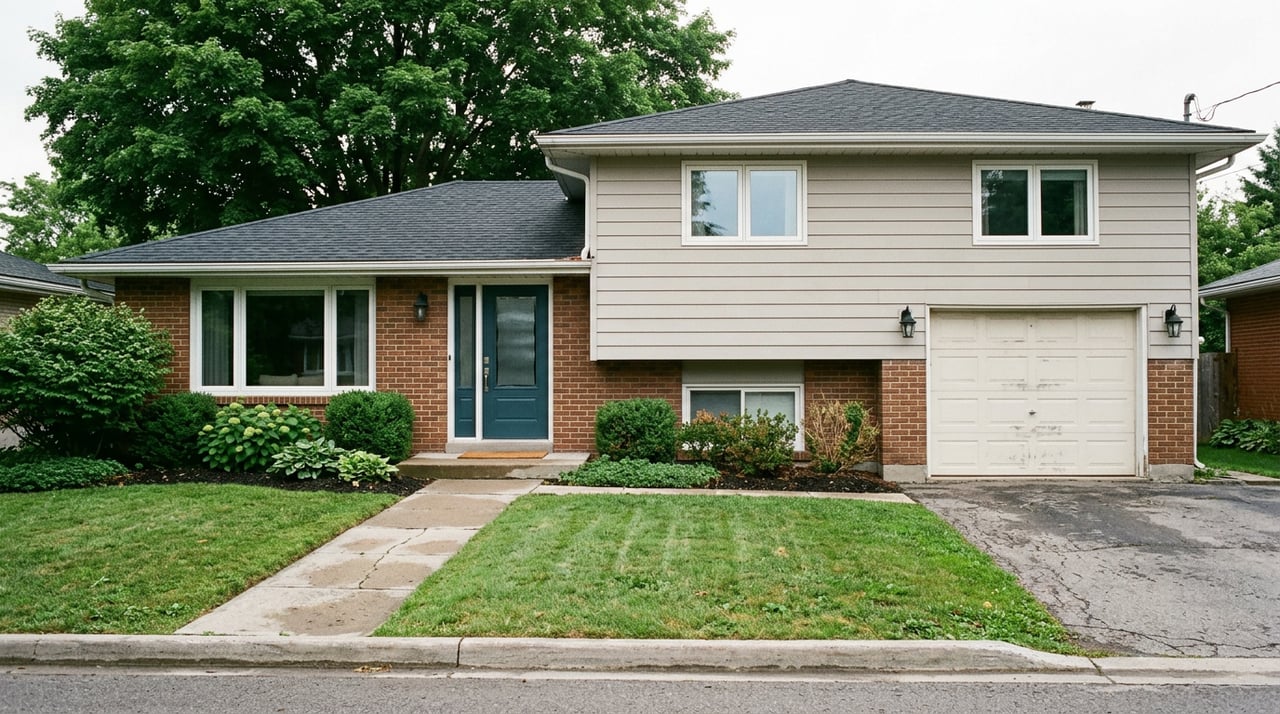
Penn Hills offers entry prices that often sit in the low-to-mid six figures based on recent tracker medians. Much of the housing stock is single-family, built in the post-war decades. Owner-occupancy is high, around 74.6 percent, which means many blocks read more like established neighborhoods than rental clusters. You’ll see more single-family and occasional duplex opportunities than larger multifamily.
Rents trend in the roughly $1,100 to $1,300 range for typical 2 to 3 bedroom homes. The Census puts median gross rent near $1,103 per month for Penn Hills, which is a solid conservative anchor. County-level Fair Market Rent for a 2 bedroom is about $1,299 per month, a useful ceiling if you plan to accept vouchers. You can confirm these benchmarks in the Census QuickFacts for Penn Hills and HUD’s FY2026 Fair Market Rents for Allegheny County.
On the demand side, multi-year summaries show rental vacancy for Allegheny County near 3 to 4 percent, a sign of reasonably tight conditions in many suburbs. That said, lease-up speed is very block and condition specific. You can review county-level context from ACS-based vacancy summaries and then validate rent and leasing times against current local listings before you buy.
Where returns come from
You’ll mostly evaluate single-family homes and some 2 to 4 unit properties. Returns in Penn Hills hinge on five drivers:
- Buy price relative to condition and comps.
- Realistic rent for your exact bedroom count and block.
- Total property tax burden across school, municipal, and county mills.
- Rehab scope on older systems and finishes, plus permit timelines.
- Management style and operating expense ratio.
If you want to improve cash flow odds here, you usually need to:
- Buy at a discount to median and add light value quickly.
- Uplift rent to market levels post-rehab, within voucher or market caps.
- Model taxes precisely using the assessor’s value, not the list price.
- Use conservative expenses, especially for older homes.
Taxes: model them right
Property taxes are a major line item in Penn Hills. Three layers typically apply: school district, municipality, and county. The county lists current millage schedules for each layer. As a quick refresher, total tax is roughly assessed value divided by 1,000, then multiplied by total mills. You can confirm current rates on the Allegheny County Treasurer’s millage page.
Key tips:
- Assessed value often differs from market price. Always look up the parcel’s assessed value on the county portal and use that figure for your pro forma.
- Homestead reductions apply to owner-occupied properties, not typical investor holds.
- Recheck mills annually before you file returns, since they can change with budgets.
Illustrative math: If you assume a median owner-assessed value around $134,700, a recent combined millage example can generate a property tax near $6,000 per year. If you assume assessed value equals a higher purchase price, the tax bill could be closer to $7,900 per year. The spread can make or break cash flow, so anchor to the assessor’s number.
Permits, occupancy, and registration
Penn Hills enforces permits for common rehab items and requires occupancy steps for resale or new occupancies, plus a landlord/tenant registration. Plan for permit fees, plan review, and inspections in your timeline and budget. The Code Enforcement page outlines forms and requirements, including plan submittals that often need both digital and hard copies. Start here: Penn Hills Code Enforcement department.
Practical timing: smaller permitted projects can take 2 to 6 weeks for processing and inspections, depending on scope and the completeness of your contractor’s submittals. Build this into your vacancy modeling.
Rehab scope and timeline
Many homes in Penn Hills predate 1978, so federal lead-safe rules apply when you disturb painted surfaces. Make sure your contractors follow the EPA RRP rule and include compliance costs in bids.
For light investor rehabs in the Pittsburgh area, budgets often run $10,000 to $40,000 for cosmetic kitchens and baths, paint, flooring, and minor systems work. Project costs vary by scope and finishes. To sanity-check bids, use regional benchmarks such as the Journal of Light Construction’s Cost vs. Value report for Pittsburgh: Pittsburgh Cost vs. Value.
Watch these common cost drivers:
- Roof, HVAC, electrical, and plumbing updates.
- Foundation, masonry, and moisture mitigation.
- Code corrections and safety upgrades in older homes.
Budget a 10 to 20 percent contingency. Combine that with permit turnaround to set a realistic post-close plan.
A simple Penn Hills pro forma
Here’s a quick, conservative example based on public benchmarks to show how taxes and expenses shape outcomes.
Assumptions:
- Purchase price example: about $176,000 based on recent tracker medians.
- Rent scenarios: conservative $1,103 (Census), market $1,250 (recent listings context), and a 2-bedroom ceiling near $1,299 (HUD FMR). See Census QuickFacts and HUD FMRs.
- Vacancy: 5 percent.
- Operating expense ratio: 40 percent of effective rent as a midrange heuristic. For background on why many investors start near 40 to 50 percent, see this overview on expense pitfalls: PropertyMath on operating expenses.
- Property tax: illustrative range around $6,000 to $7,900 per year depending on assessed value. Verify parcel taxes using the county millage schedules.
- Insurance placeholder: $1,000 per year.
What it shows:
- At $1,103 rent, NOI is near break-even after realistic taxes and expenses.
- At $1,250 rent, NOI improves but can still be thin if assessed value is high.
- To reach stronger cap rates, you usually need to buy below market, lift rents post-rehab toward market or FMR levels where appropriate, or consider 2 to 4 unit properties where tax per door can be more manageable.
This is why parcel-level taxes and true rent comps are the first things to pin down in Penn Hills.
How Penn Hills compares nearby
- Wilkinsburg: often lower buy-in prices with similar rents on many blocks, but property condition can vary widely by street. Underwrite rehab scope carefully.
- Plum and Monroeville: typically higher purchase prices and strong suburban access, with rents that can be higher as well. Expect lower going-in cap rates for similar condition.
- Churchill/Forest Hills: smaller boroughs with higher medians in many trackers. Good for stability, but entry prices tend to compress returns.
Across all nearby towns, the swing factors are the same: school and municipal millage, housing age and condition, and achievable rents. Run the same underwriting template everywhere so you can compare apples to apples.
6-step checklist before you buy
- Pull block-level sold comps and current rentals for your exact bedroom count and unit type. Use the Census QuickFacts median rent only as a conservative anchor.
- Look up the parcel’s assessed value and compute taxes from the county millage page. Do not assume assessed equals price.
- Set rent scenarios: conservative, market, and a cap near HUD’s FMRs for your bedroom count.
- Confirm required permits, occupancy steps, and any landlord registration with Penn Hills Code Enforcement. Build in 2 to 6 weeks for processing.
- Get multiple contractor bids that include lead-safe compliance where applicable under the EPA RRP rule. Sanity-check costs with Pittsburgh Cost vs. Value.
- Model vacancy at 5 percent and an operating expense ratio of 40 to 50 percent unless you have line-item quotes. Use a conservative insurance estimate and explicit capital reserves.
Bottom line
Penn Hills can work for small investors who buy well, add value efficiently, and underwrite taxes and expenses with precision. Entry prices are approachable, but the tax load and older housing stock mean you win by being disciplined on purchase price, rehab scope, and rent targets.
If you want local, numbers-first guidance on a specific address, comps, or a pre-offer pro forma, connect with Jen Mascaro. Our team knows the eastern suburbs market and can help you evaluate, negotiate, and execute with confidence.
FAQs
What are typical rents for a 2–3 bedroom in Penn Hills?
- A conservative anchor is the local median gross rent near $1,103 per month, while a county-level 2-bedroom Fair Market Rent sits around $1,299. Always validate with current block-level listings.
How do I estimate Penn Hills property taxes on a rental?
- Multiply the parcel’s assessed value (not the list price) by total mills, then divide by 1,000. Confirm school, municipal, and county mills on the Allegheny County Treasurer site and use the most recent numbers.
Do I need permits or an occupancy step before renting?
- Yes. Penn Hills requires permits for common rehab items, enforces occupancy-related steps for new occupancies or resale, and has landlord/tenant registration. Review forms and timelines on the Code Enforcement page.
What rehab costs should I plan for on older homes?
- Light investor rehabs commonly range from $10,000 to $40,000, with roof, HVAC, electrical, plumbing, and moisture work driving budgets. Include EPA RRP compliance on pre-1978 homes and a 10–20 percent contingency.
Is Penn Hills better than Monroeville or Plum for cash flow?
- It depends on your deal. Penn Hills often offers lower entry prices, but taxes can compress NOI. Monroeville and Plum tend to have higher prices and potentially lower caps. Run identical underwriting on each candidate and compare side by side.