Confused about whether an FHA or conventional loan is the better fit for your Murrysville home search? You are not alone. With different rules for down payments, mortgage insurance, and appraisals, the choice can change your monthly payment and how strong your offer looks. In this guide, you will learn the key differences, how they play out in Westmoreland County, and a simple way to choose based on your credit, savings, and target price. Let’s dive in.
FHA vs. conventional: What they are
FHA loans are government-insured mortgages backed by the Federal Housing Administration. They are built to help buyers with smaller down payments or less-than-perfect credit. You will pay mortgage insurance to FHA, called MIP, to protect the lender.
Conventional loans follow standards from Fannie Mae and Freddie Mac. They include options for low down payments along with traditional 20 percent down. Conventional financing tends to reward stronger credit with lower long-term costs because private mortgage insurance can be removed once you reach enough equity.
Down payment and credit requirements
FHA minimums
- Minimum down payment is typically 3.5 percent if your credit score is 580 or higher.
- Scores from 500 to 579 usually require 10 percent down.
- FHA is more flexible with past credit issues and may allow higher debt ratios with compensating factors.
Conventional options
- Standard conventional loans often require 5 to 20 percent down, but special programs can go lower.
- Eligible first-time or income-qualified buyers may use 3 percent down options like Fannie Mae HomeReady or Freddie Mac Home Possible.
- Lenders generally look for mid to high 600s credit scores and above for the best pricing.
What this means in Murrysville
If your credit sits in the 580 to 640 range and you want to keep cash to a minimum, FHA can open the door. If your credit is stronger and you can put 5 to 20 percent down, conventional often lowers total cost over time, especially once PMI is removed.
Mortgage insurance: Cost and how long it lasts
FHA mortgage insurance (MIP)
- You pay an upfront mortgage insurance premium, typically 1.75 percent of the base loan. Many buyers finance this into the loan amount.
- You also pay an annual MIP as part of your monthly payment. The rate varies by loan size, term, and down payment.
- If you put less than 10 percent down, MIP typically lasts for the life of the loan. If you put 10 percent or more down, MIP usually ends after 11 years. See details in the HUD FHA Handbook 4000.1.
Conventional private mortgage insurance (PMI)
- PMI cost depends on your credit score and down payment. Better credit and more money down usually mean lower PMI.
- By law, lenders must automatically end PMI when you reach 78 percent of the original loan-to-value. You can typically request cancellation at 80 percent if your payments are on time. Learn more in the CFPB guide to canceling PMI.
The bottom line on MI
If you plan to live in the home long enough to reach 20 percent equity or you expect rising values, a conventional loan can often be cheaper long term because you can remove PMI. FHA can be the better entry point when you need flexible credit standards or a minimal down payment.
Rates, APR, and total cost
Interest rates move daily and vary by lender and your profile. FHA rates can look slightly lower for some buyers with lower scores. However, once you add the upfront and annual MIP, the APR on FHA may be higher than a conventional loan for a well-qualified borrower. Ask each lender to show you the APR, which wraps in mortgage insurance and other costs. You want the full picture, not just the headline rate. For a primer on mortgage types, review the CFPB overview of mortgage types.
Debt-to-income and underwriting flexibility
FHA typically allows higher debt-to-income ratios in some cases and can consider compensating factors like stable employment and savings. Conventional underwriting usually prefers DTIs near or under about 45 percent, though stronger files can stretch higher on some programs. If student loans or car payments push your DTI up, FHA may be more forgiving, but every lender has its own overlays.
Seller help and gift funds
Seller concessions
- FHA allows seller concessions up to 6 percent of the purchase price for closing costs and prepaid items.
- Conventional loans limit seller concessions based on down payment size. For lower down payments, the cap is commonly 3 percent. Larger down payments may allow more.
In a competitive Murrysville neighborhood, higher FHA concession room can help you cover closing costs when the seller agrees. In a hotter segment, sellers may be less willing to contribute. Your strategy should match the property and current market conditions.
Gift funds
Both FHA and conventional loans allow gift funds from eligible donors with proper documentation. If you expect help from family, tell your lender early so they can guide you on gift letters and verifying funds.
Property and appraisal considerations in Murrysville
FHA appraisal and repairs
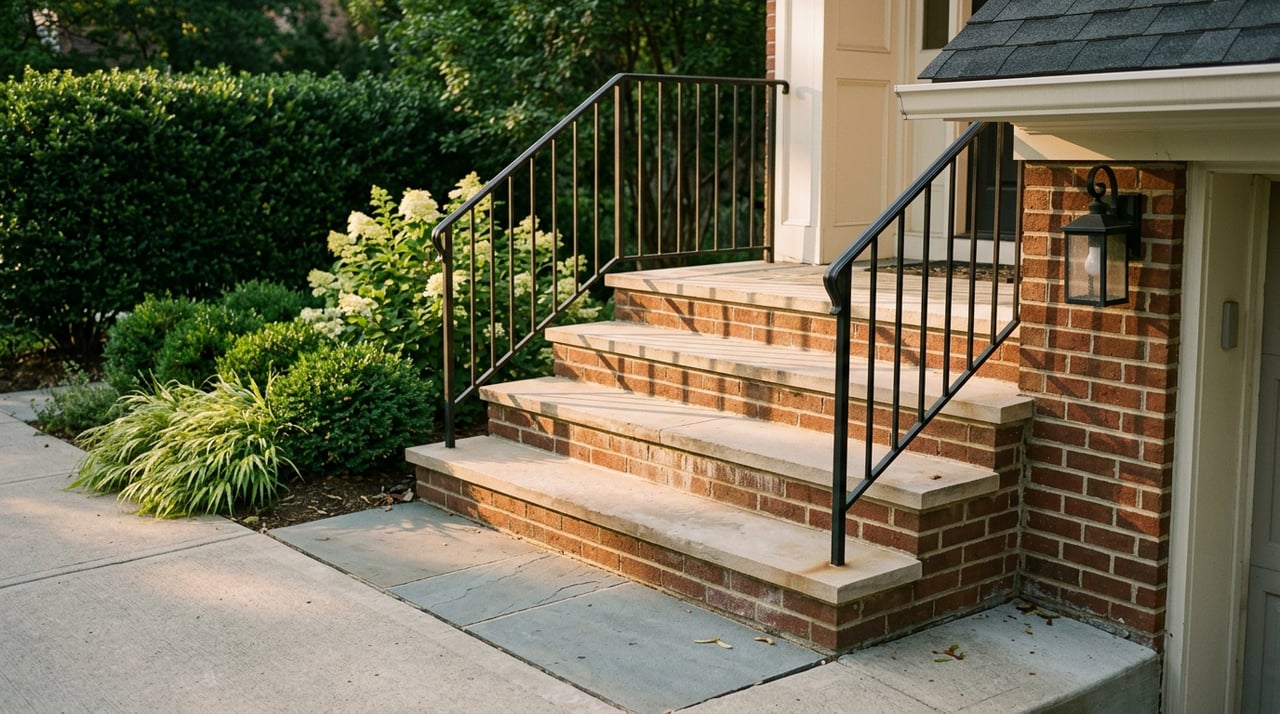
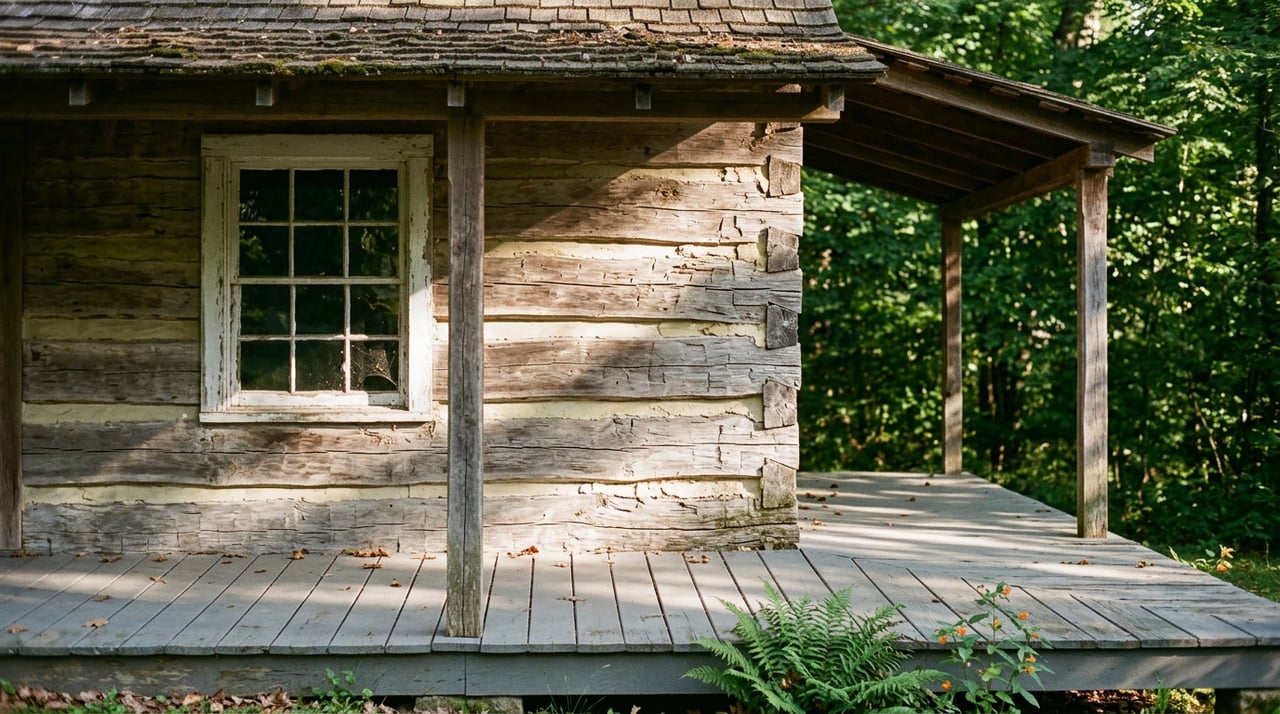
FHA appraisals look at value and basic safety, soundness, and sanitation. Peeling paint on older homes, broken handrails, or significant deferred maintenance can trigger repair requirements before closing. This can be common in established Murrysville neighborhoods with older housing stock. For the rulebook, lenders follow the HUD FHA Handbook 4000.1.
Conventional appraisal focus
Conventional appraisals focus mainly on market value. Lenders may require repairs for major health and safety items, but they are often more flexible about cosmetic issues. If a home needs minor updates, conventional financing may present fewer repair hurdles.
Property types and occupancy
Both programs can finance 1 to 4 unit primary residences. FHA is intended for owner occupancy and has specific rules for condo approvals. Conventional financing has its own condo standards and offers options for second homes and investment properties.
Loan limits in Westmoreland County
Both FHA and conventional conforming loans have county-based limits that change each year. Your limit depends on the property type and county. If your target price in Murrysville is near a limit, it can affect which loan type fits.
- To see FHA limits, use HUD’s FHA county loan limits search and select Pennsylvania, then Westmoreland County.
- To see conventional conforming limits, check the FHFA conforming loan limits by county.
If your price or loan amount exceeds the conforming limit, you may enter jumbo territory, which has different rules and pricing. Knowing your limit early helps you set a smart budget and choose the right program.
Two real-life scenarios
Scenario A: First-time buyer, limited savings
- Profile: 590 credit score, $12,000 savings, target home price $300,000.
- FHA path: 3.5 percent down is $10,500. Upfront MIP is about 1.75 percent, roughly $5,250, which you can finance. MIP will likely last for the life of the loan if you put less than 10 percent down.
- Conventional path: You might explore a 3 percent program if you qualify, or plan for 5 percent down. With a mid to high 600s score preferred on many programs, approval could be tougher and PMI would apply until enough equity.
- Takeaway: FHA may make the purchase possible now. You could refinance later if your credit and equity improve.
Scenario B: Well-qualified buyer, strong savings
- Profile: 740 credit score, $60,000 saved, target home price $400,000.
- Conventional path: With 15 to 20 percent down, you will often get the lowest APR and avoid long PMI, or cancel it relatively fast.
- FHA path: While possible, the lifetime cost of MIP can be higher for a high-credit buyer.
- Takeaway: Conventional likely wins on long-term cost and flexibility.
Step-by-step plan for Murrysville buyers
- Get full pre-approvals from at least two lenders. Ask for a detailed cost breakdown that shows loan amount, rate, APR, monthly payment, taxes, insurance, and any mortgage insurance.
- Request side-by-side FHA and conventional quotes for the same price point. Include UFMIP or PMI so you can compare apples to apples.
- Check limits for Westmoreland County. Use HUD’s FHA county loan limits search and the FHFA conforming loan limits by county to confirm where your budget lands.
- Order a home inspection early in the process. If you plan to use FHA, discuss potential repair items that could appear on the appraisal.
- Confirm gift fund rules if you will receive help from family. Get lender-approved gift letters and verify the source of funds.
- Plan your seller concession strategy with your agent. FHA allows up to 6 percent, while conventional limits are often lower for small down payments.
- Think ahead about refinance timing. If you choose FHA now, map out when a refinance to conventional could remove mortgage insurance and what closing costs would be.
- Explore state assistance. The Pennsylvania Housing Finance Agency programs can layer with certain loans and may reduce cash to close if you qualify.
Which one should you choose?
- Choose FHA if you need the lowest down payment with flexible credit standards, and you are comfortable with mortgage insurance that may last a long time.
- Choose conventional if you have stronger credit and at least 5 percent down, or you qualify for a 3 percent program, and you want the option to remove PMI as your equity grows.
If you are on the fence, let the numbers decide. Ask lenders for APR-based comparisons that include mortgage insurance and show projected PMI cancellation dates for conventional. Then match the option to your timeline, target neighborhoods in Murrysville, and the condition of the homes you like.
Ready to talk strategy and find a home that fits your budget and goals? Reach out to Jen Mascaro for local guidance on financing choices, property condition risks, and smart offer terms. We will help you compare options and move forward with confidence. What’s Your Property Worth?
FAQs
What is the minimum down payment for an FHA loan in Pennsylvania?
- FHA typically requires 3.5 percent down with a 580 or higher credit score, and 10 percent down for scores from 500 to 579, subject to lender approval.
How soon can I remove PMI on a conventional loan?
- Lenders must end PMI at 78 percent of original loan-to-value, and you can usually request cancellation at 80 percent if payments are current and you meet the loan’s requirements.
Do FHA appraisals in Westmoreland County require repairs?
- FHA appraisals can require repairs for safety, soundness, or sanitation issues. Older homes may need fixes completed before closing under FHA rules.
How do I find current FHA and conforming loan limits for Westmoreland County?
- Use the HUD FHA county loan limits search and the FHFA conforming loan limits map to look up the latest limits for Westmoreland County before you shop.
Can I use gift funds for my down payment in Murrysville?
- Yes. Both FHA and conventional allow gift funds with proper documentation, such as a gift letter and verified source of funds, based on each program’s rules.
Which loan type is better for an older home in Murrysville?
- Conventional can be easier if the home has cosmetic or minor issues. FHA may require repairs for certain conditions, so check with your lender and plan inspections early.