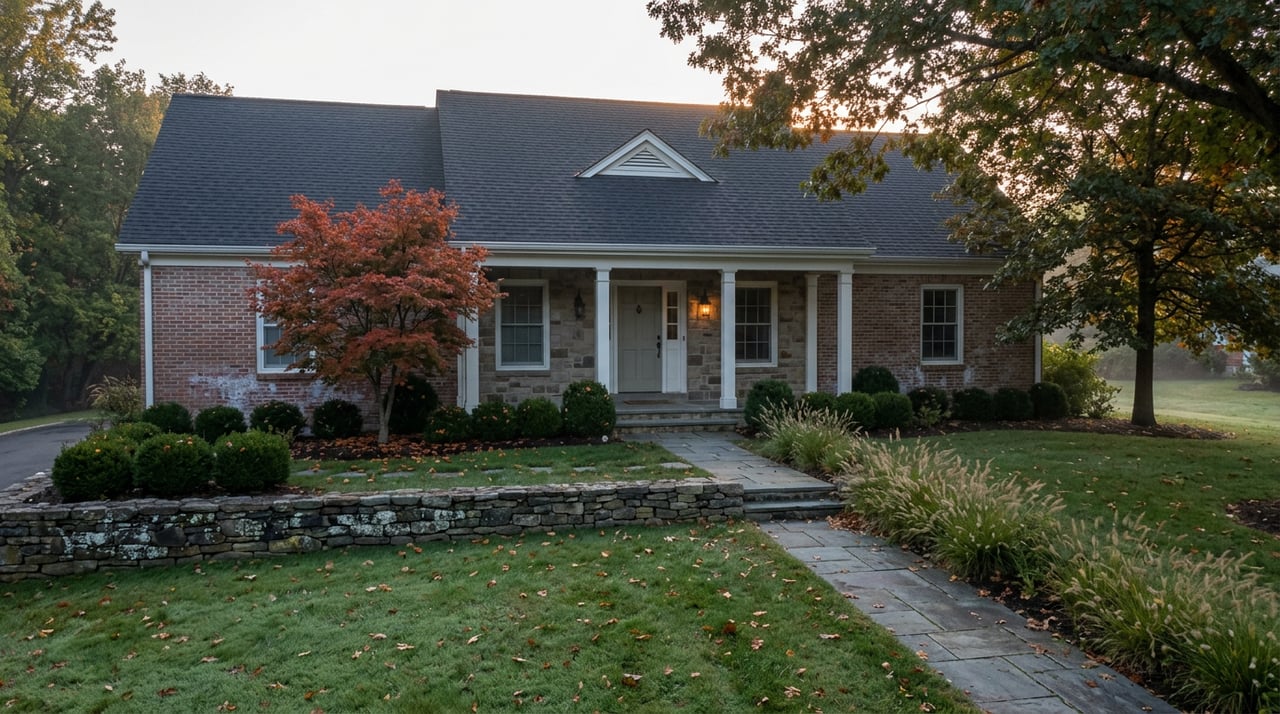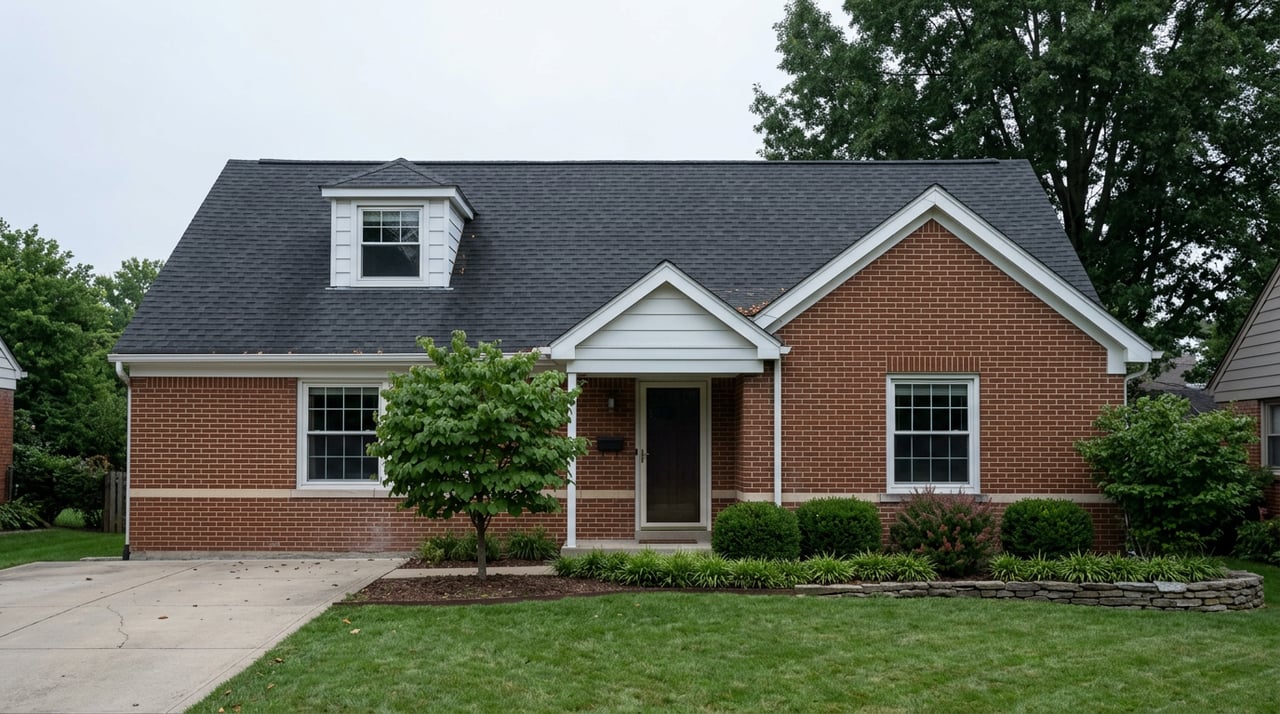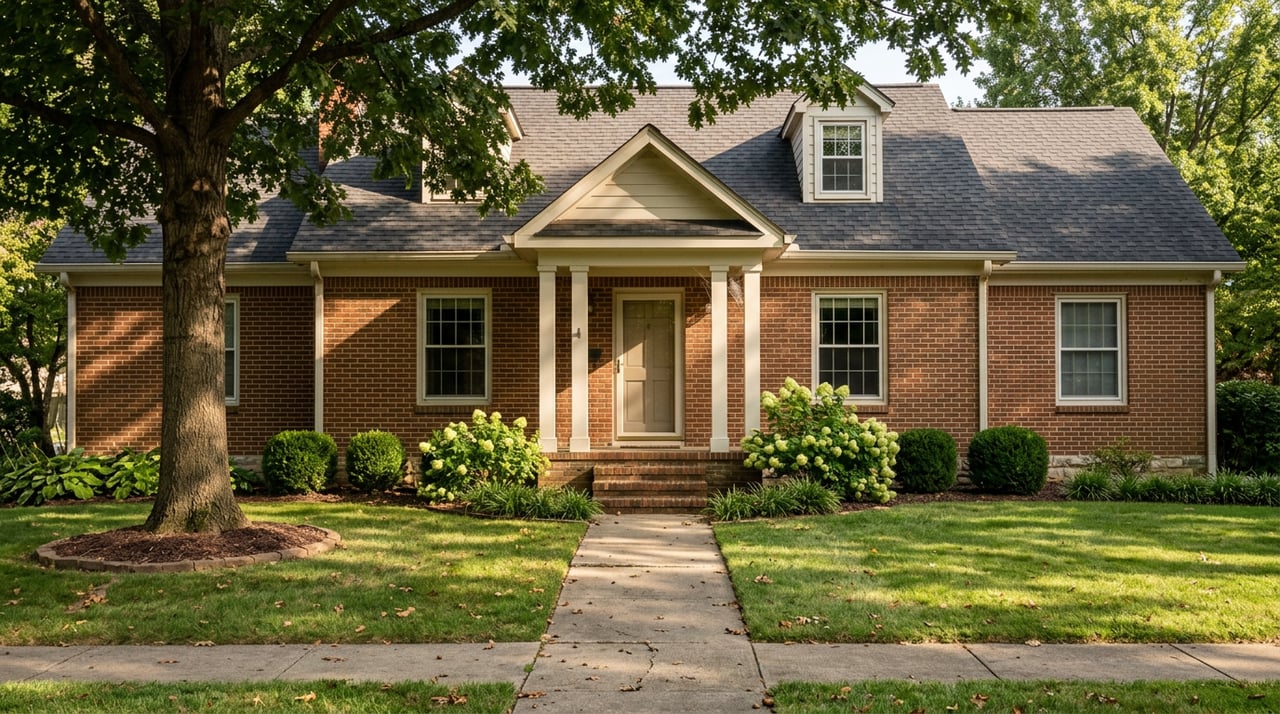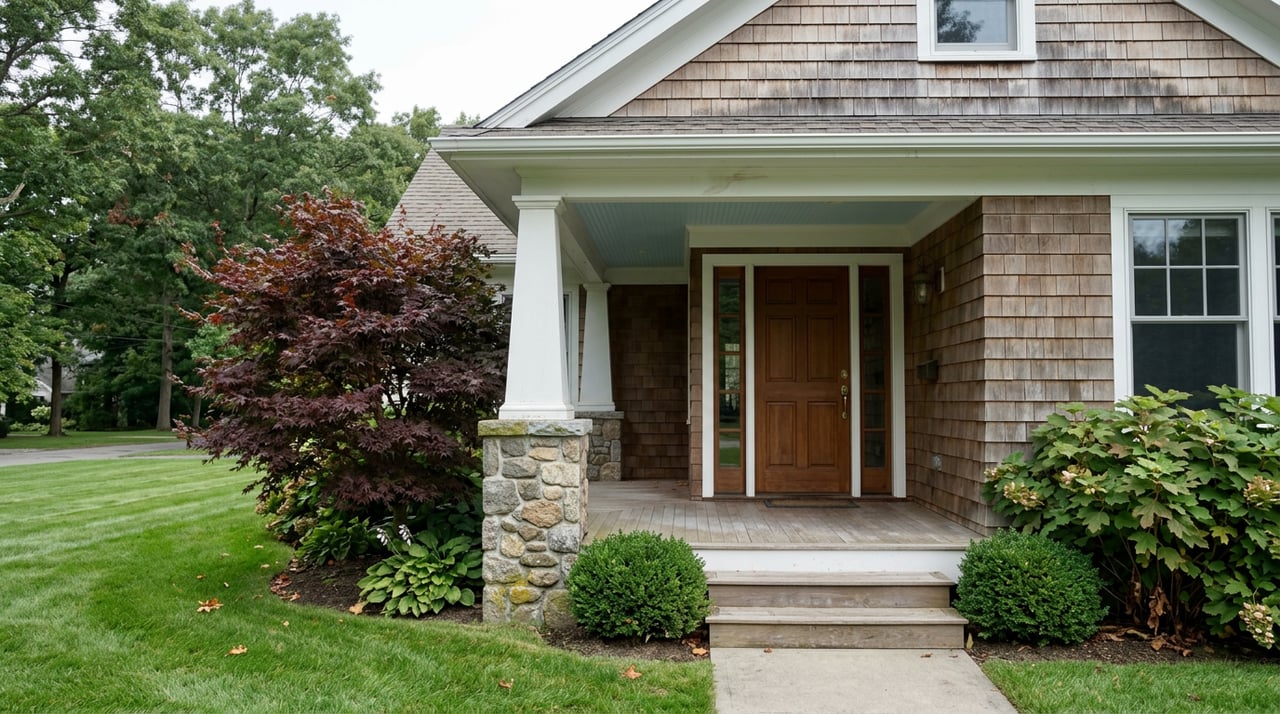
If you're getting ready to list a house in Oakmont, there's a good chance it was built before your grandparents were. The borough's housing stock runs from 1880s and 1890s Victorians near the river through 1920s Craftsman bungalows, and a lot of that inventory is still standing, still occupied, and still on original bones in places nobody thinks to check until someone else does.
So here's the question sellers usually ask first: what happens if the borough's inspector finds something wrong with a hundred-year-old electrical panel or a drain line that's outlived its warranty by seven decades? The answer surprises most people. The inspection can absolutely find something. What it can't do is stop you from closing on schedule.
Every Sale Triggers a New Certificate, Not Just a Suggestion
Oakmont's zoning code doesn't leave this to chance. Under Chapter 205 of the borough's ordinances, "a new certificate of occupancy shall be required for all change of occupancy through sale of property." That's not a courtesy walkthrough your agent recommends. It's written into the zoning code as a condition of the transfer itself.
Most sellers assume this inspection works like a home inspector's report: a private document that lives in the transaction file, referenced during negotiation, maybe waived if both sides agree. It isn't that. It's a municipal certificate, issued or withheld by the borough's Zoning Officer, and it's separate from whatever inspection contingency your buyer's agent writes into the offer.
The Borough Outsourced the Actual Inspection
Here's the detail that catches people off guard. Oakmont doesn't run this inspection with in-house staff. The borough contracts the work to Building Inspection Underwriters of PA, known locally as BIU, and BIU issues every permit and handles every inspection in the borough, not just the ones tied to a sale. If you've ever pulled a permit for a deck or a bathroom remodel in Oakmont, you've already dealt with them.
That matters for sellers because it changes who you call and when. The borough office at 767 Fifth Street processes the paperwork and date-stamps the application, but the actual inspection, scheduling, and findings come from BIU directly. If you're timing a listing around a closing date, build in the lag between submitting to the borough and getting an inspection slot from a third-party contractor who also handles every other permit request in town.
What a Century-Old House Actually Turns Up
The inspection isn't hunting for cosmetic flaws. It's a code compliance check, and in a borough where a meaningful share of the housing stock predates 1950, three things come up often enough that they're worth budgeting for before you list rather than reacting to after an offer is signed.
| Issue | Why It Shows Up in Oakmont | Typical Age Threshold |
|---|---|---|
| Knob-and-tube wiring remnants | Common wiring method from roughly 1880 through the 1930s, phased out by the 1940s but rarely fully removed | Homes built before 1940 |
| Lead or galvanized supply lines | Standard materials before mid-century plumbing codes changed; galvanized pipe has a roughly 40 to 50 year service life before internal corrosion becomes a problem | Homes built before 1950 |
| Cast-iron drain laterals | Original drain and waste material for most of the early 20th century, with an 80 to 100 year expected lifespan before joint failure or corrosion | Homes approaching 80 to 100 years old |
None of this means an Oakmont bungalow is a bad buy or a hard sell. It means the inspection is more likely to find something in a 1915 house than in a 1995 one, and knowing that ahead of time changes how you price, disclose, and negotiate.
Insurance underwriters treat this the same way. Most carriers require what's called a four-point inspection, covering roof, plumbing, electrical, and HVAC, on any home over 30 years old, and active knob-and-tube wiring is one of the few findings that can get a policy declined outright rather than just priced higher. If your buyer's lender or insurer flags the same wiring the borough's inspection already noted, you're not dealing with a surprise. You're dealing with confirmation.
What State Law Actually Guarantees You
This is the part that changes the calculus for sellers, and it's also the part most people never look up until they're mid-transaction and panicking.
Pennsylvania's Municipal Code and Ordinance Compliance Act governs exactly what a municipality can and can't do with a point-of-sale inspection, and it's been strengthened twice specifically to stop what used to happen: boroughs holding up closings over minor violations. Act 133 of 2016 made it illegal for a municipality to withhold a certificate of occupancy based on what an inspection finds. Act 93 of 2024 tightened that further, clarifying that property transfers can't be arbitrarily stopped by these inspections.
Under current law, the borough has to issue one of three outcomes: a full certificate if there are no violations, a temporary certificate if there are violations, or in the rare case of a property genuinely unfit for habitation, a temporary access certificate. In the second and far more common scenario, the buyer inherits twelve months after settlement to correct whatever was flagged. The borough cannot demand repairs before closing. It cannot require an escrow account or a bond as a condition of the certificate. It cannot shorten that twelve-month window.
That's a materially different situation than most sellers picture. You're not racing to fix a hundred-year-old drain lateral before your closing date. You're disclosing it, negotiating who handles it and when, and closing on schedule with a documented timeline that state law already sets for you.
What This Means If You're Listing This Fall
If you're a few weeks out from putting an older Oakmont home on the market, the practical move is to get ahead of the borough's inspection rather than wait for it to surprise you during a pending sale.
Ask BIU or the borough office how far out inspections are currently scheduling, since a contractor handling every permit in town for every property owner isn't going to prioritize your resale over a construction project that's already in the queue. Walk your own house first, or have a home inspector do a targeted pass on wiring, service lines, and drain materials before you list, so you know what's likely to appear on the borough's report before a buyer's agent does. And when something does turn up, remember that the fix doesn't have to happen before you hand over keys. It has to be disclosed, priced into the negotiation if the buyer wants a credit, and completed within the window state law already grants.
Sellers who go into this expecting a pass-fail gate tend to overreact and either over-invest in repairs that could have been negotiated as credits, or panic when a temporary certificate gets issued and assume the deal is dead. Neither is the right read. The certificate process in Oakmont is built to keep transactions moving, not stop them, as long as you understand the sequence before you're three weeks from closing and hearing about it for the first time.
A Few Straight Answers
Does every home sale in Oakmont require a new certificate of occupancy? Yes. The borough's zoning code requires a new certificate for any change of occupancy through a property sale, regardless of the home's age or condition.
Who actually performs the inspection, the borough or a contractor? Building Inspection Underwriters of PA, known as BIU, handles all permitting and inspections for Oakmont Borough, including resale certificates. The borough office processes the paperwork, but BIU conducts the inspection itself.
Can the borough stop my closing if the inspection finds a violation? No. Under the Municipal Code and Ordinance Compliance Act, as amended by Act 133 of 2016 and Act 93 of 2024, the borough must issue a certificate regardless of what the inspection finds. Violations trigger a temporary certificate with a twelve-month window to correct them, not a blocked sale.
Who pays for repairs found during the inspection, the buyer or the seller? State law leaves that to negotiation between buyer and seller. The borough cannot require repairs before settlement, so the timeline and cost split are worked out in the agreement of sale, not dictated by the municipality.
Every older home in this borough carries some version of this story, and the sellers who handle it best are the ones who know the sequence before an offer is on the table. If you're weighing whether to list a century-old Oakmont property this fall, the Jen Mascaro Team can walk through what your specific house is likely to show and what it's actually worth once that's accounted for. What's Your Property Worth?