If your current home no longer fits the way you live, you are not alone. Many homeowners in Penn Township reach a point where they want more space, a different layout, or a home that better matches their next chapter, but figuring out when and how to move up can feel complicated. The good news is that with the right plan, you can make a confident move. Here is what to know about moving up in Penn Township and the broader southern Chester County market. Let’s dive in.
Why Penn Township Appeals to Move-Up Buyers
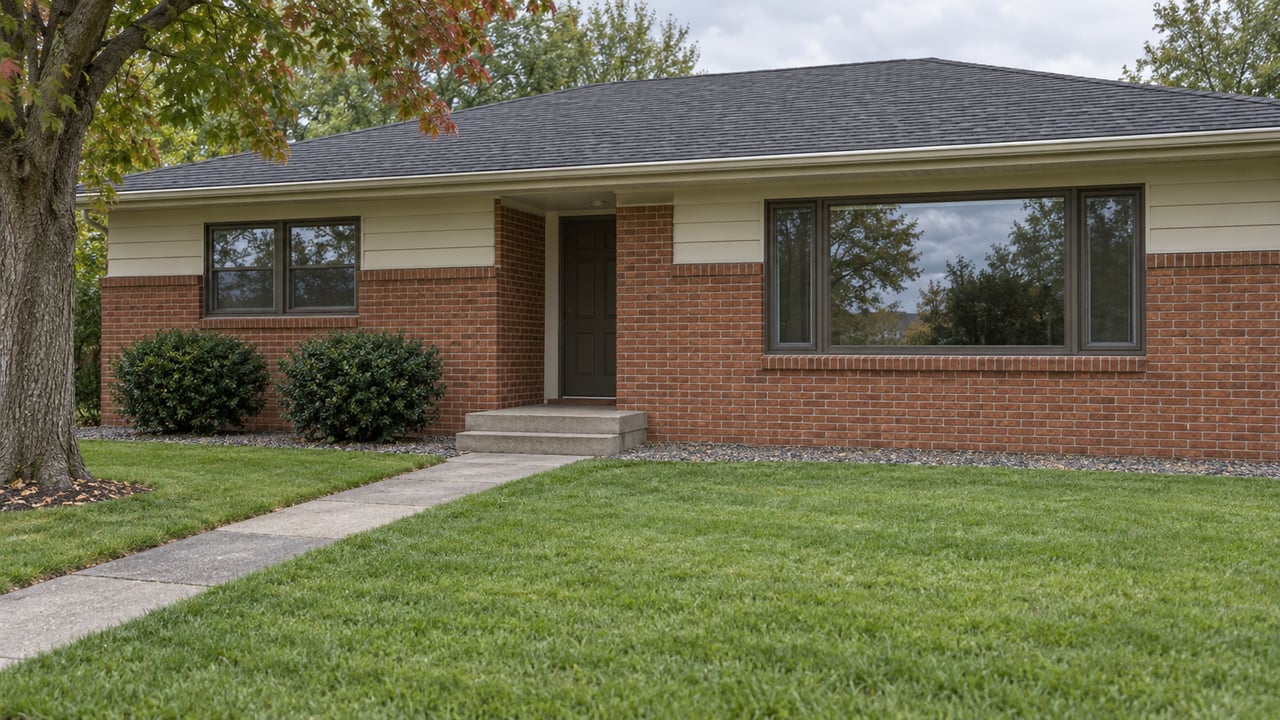
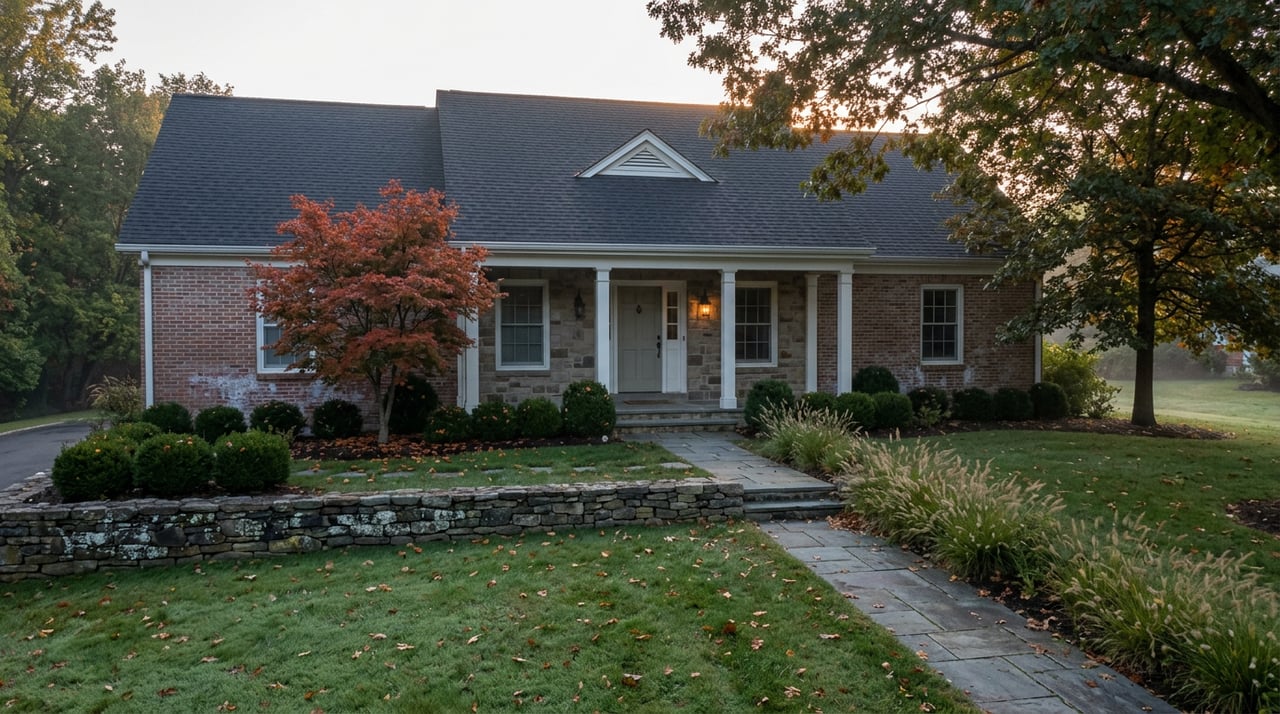
Penn Township offers a mix of housing types rather than a one-size-fits-all market. According to the township’s community overview, the area includes farms, neighborhood living, and active-adult communities across about 9.6 square miles, with a population of more than 5,300.
That variety matters if you are moving up. You may be looking for a larger single-family home, a newer townhome with less maintenance, or a property that gives you more room without leaving southern Chester County altogether.
Penn Township also sits along the Route 1 corridor and is close to local destinations named by the township, including Jennersville Regional Hospital, the Jennersville YMCA, the Technical College High School Pennock’s Bridge campus, and the Shoppes of Jenner’s Village. This helps explain why the township often feels connected and convenient for day-to-day living.
What the Chester County Market Means for You
If you are moving up, the bigger market picture matters just as much as your current home. The Chester County 2024 housing report shows a median sale price of $525,000, the highest in county history even after inflation adjustment.
That same report shows how pricing has shifted upward across the county. In 2024, 21% of sales were above $750,000, while only 5.9% were under $250,000. It also notes that Chester County has been undersupplied in new housing construction, with missing-middle housing remaining a long-term issue.
Current market activity also suggests you should be prepared to act quickly. Early 2026 market data showed 643 homes for sale, 342 new listings, a median sale-to-list ratio of 0.997, and a median of just 6 days to pending in Chester County.
The takeaway is simple: this is still an active market. You may not need to overreach, but you do need a clear budget, realistic expectations, and a plan for timing your sale and purchase.
Penn Township Inventory May Feel Tight
One of the biggest questions move-up buyers ask is whether Penn Township itself will have enough options. County municipal data shows Penn Township had 73 sales with a median sale price of $441,460 in 2023, according to Chester County planning data.
That number is lower than several nearby southern Chester County municipalities in the same county table. For example, London Grove Township posted a median sale price of $497,500, New London Township was $519,500, Kennett Township was $558,500, and East Marlborough Township reached $596,600.
For you, that may mean two things. First, Penn Township can still offer value relative to nearby areas. Second, if your goal is a noticeably larger or higher-priced home, you may want to widen your search to nearby communities while staying in the same general part of the county.
Nearby Areas Worth Comparing
If Penn Township inventory feels limited, it helps to compare nearby markets with a similar location advantage in southern Chester County. Based on the county’s municipal sales table, these are logical places to keep on your radar:
- London Grove Township for a nearby move-up search with a higher 2023 median sale price than Penn Township
- New London Township if you want to compare available space and pricing within the southern Chester County area
- Kennett Township if you are exploring a broader range of move-up opportunities
- East Marlborough Township if your search includes higher-priced options in the region
This does not mean one area is better than another. It means your best-fit home may be in a neighboring township if Penn Township’s available listings are limited at the moment.
New Construction Could Expand Your Options
For many move-up buyers, new construction is part of the conversation. The county’s 2024 housing report found that the median price for a new home was $589,901, and 55% of new-home sales fell between $500,000 and $749,999.
That places many new builds squarely in move-up territory. If you are looking for modern layouts, energy efficiency, or less immediate maintenance, new construction may be worth considering as part of your search.
There may also be future supply changes within Penn Township itself. The county’s 2025 development review lists the Corby Road Subdivision, a 240-unit project that includes single-family homes, townhomes, and twin homes.
That does not guarantee immediate availability, but it is a useful sign that product mix in Penn Township could broaden over time. For move-up buyers, that could create more options beyond the current resale market.
How Much Equity Do You Need?
Before you shop for your next home, start with your current home equity. Freddie Mac explains that equity is the difference between what your home is worth and what you still owe on your mortgage.
If you have owned your home for several years, your equity may have grown from both appreciation and paying down the loan balance. That can become a major part of your buying power when you move up.
A simple way to estimate your position is to:
- Start with your home’s current market value
- Subtract your remaining mortgage balance
- Reduce that number by expected selling costs
- Set aside funds for your next home’s down payment, buyer closing costs, and moving expenses
This is where many homeowners get surprised. Your sale price is not the same as your usable proceeds.
Budget for the Full Move
When moving up, it is easy to focus only on the price of the next house. A better approach is to look at the full financial picture.
According to Freddie Mac’s seller cost guide, seller closing costs usually include commissions, taxes, and fees. Commissions typically run 3% to 8% of the sale price, while fees and taxes often run 2% to 4%.
On the buying side, the Consumer Financial Protection Bureau says closing costs typically range from 2% to 5% of the purchase price, not including your down payment. The CFPB also advises buyers to budget for repairs, moving costs, and improvements or furniture purchases that often come with a new home.
If you can put down 20% or more, the CFPB notes that you may avoid mortgage insurance on many loans. That can help reduce your monthly payment, which is why your down payment strategy matters just as much as the purchase price.
Should You Sell First or Buy First?
For most move-up homeowners, selling first is the safer path. The CFPB’s guidance for buyers says homeowners normally try to sell their current home before buying another one.
Why does that matter? Because carrying two homes at once can put pressure on your budget, your financing, and your negotiating position. If your purchase depends on the equity from your current home, selling first usually creates more clarity.
That said, every situation is different. If you have a strong cash cushion or a well-planned backup strategy, buying first may still be possible. The key is to make that decision based on real numbers, not guesswork.
Get Preapproved Early
A move-up plan works better when you know your numbers before you fall in love with the next house. The CFPB notes that lenders review income, assets, employment, savings, debt payments, and credit history when evaluating a mortgage application.
That means your buying power can shift if you are still carrying your current mortgage, taking on new debt, or depending on sale proceeds from your existing home. Getting preapproved early gives you a starting point, and updating that preapproval once your current home is listed can help you stay accurate and competitive.
When comparing homes, focus on the total monthly payment, not just the list price. Taxes, insurance, mortgage structure, and possible maintenance needs all affect what feels comfortable month to month.
Protect Yourself With Smart Contingencies
In a fast market, it can be tempting to strip protections out of your offer. Usually, that is not the best move.
The CFPB recommends including financing and inspection contingencies so you are not forced to close if your loan falls through or the inspection reveals major issues. Those safeguards can be especially important when you are already coordinating the sale of another home.
A strong offer is not always the same as the riskiest offer. A better strategy is to be prepared, know your limits, and move decisively when the right home appears.
Why Presentation Matters When You Sell
If your move-up purchase depends on selling well, your current home needs to stand out. Freddie Mac notes that sellers may need to budget for staging, repairs, inspection-related fixes, and other preparation costs before listing.
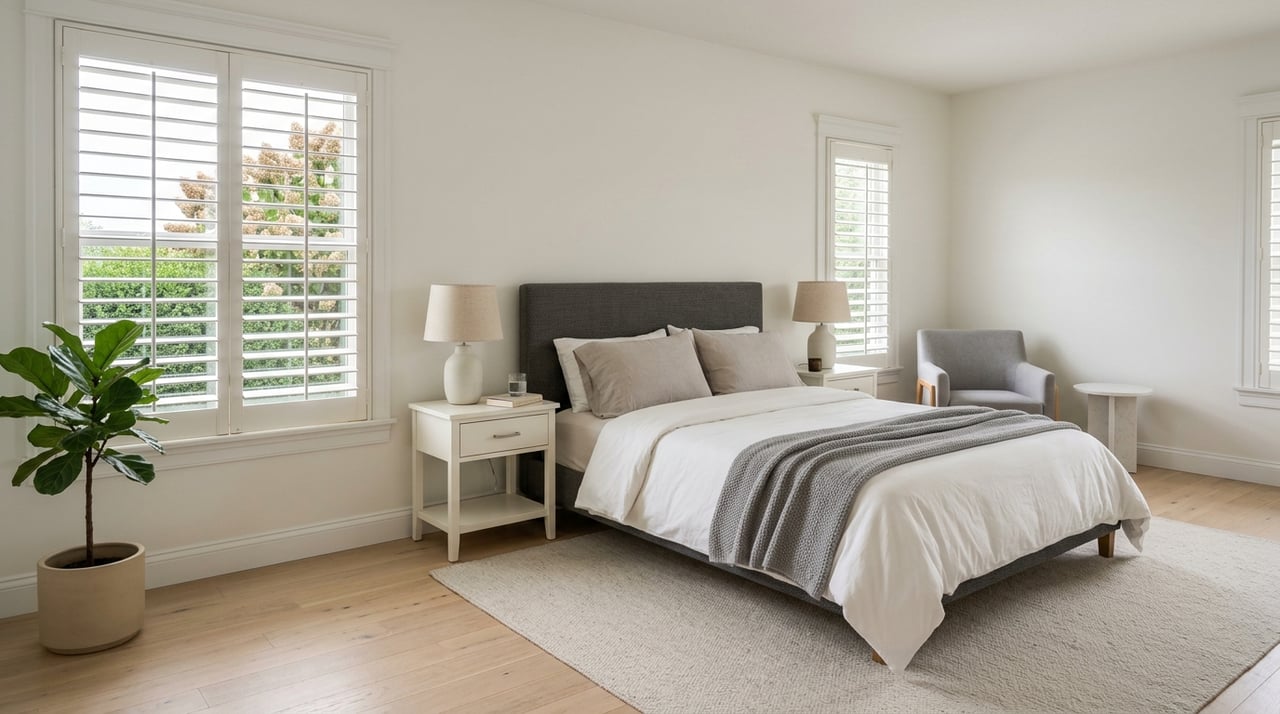
That is where a thoughtful marketing plan can make a real difference. Professional staging, strong photography, and polished presentation can help buyers connect with your home quickly, which matters in a market where timing and net proceeds can shape your next move.
For move-up sellers, this is not just about getting your home online. It is about creating a smooth transition from your current house to your next one with the fewest possible surprises.
If you are thinking about moving up in Penn Township or comparing options across southern Chester County, working with a team that can help you evaluate timing, estimate likely proceeds, and prepare your home for the market can simplify every step. When you are ready to talk through your next move, connect with Jen Mascaro.
FAQs
How does moving up in Penn Township usually start?
- It usually starts with understanding your current home equity, estimating your likely net proceeds after selling costs, and getting preapproved for your next purchase.
Is Penn Township inventory enough for a move-up home search?
- Penn Township offers a mix of housing types, but local data suggests upper-end inventory can be limited, so you may want to compare nearby southern Chester County areas too.
What nearby areas should you compare to Penn Township for a move-up home?
- Based on county sales data, London Grove Township, New London Township, Kennett Township, and East Marlborough Township are all logical comparison markets.
How much should you budget for closing costs when moving up in Chester County?
- Freddie Mac says seller closing costs often include 3% to 8% in commissions plus 2% to 4% in fees and taxes, while the CFPB says buyer closing costs typically run 2% to 5% of the purchase price.
Should you sell your Penn Township home before buying your next one?
- The CFPB’s general guidance is to sell first unless you have a strong financial cushion or a clearly planned contingency strategy.
Why does preapproval matter for a move-up purchase in Chester County?
- Preapproval helps you understand your real budget, and it is especially important when your next purchase may depend on proceeds from your current home sale.