If you work in Pittsburgh but want more space at home, Murrysville often lands on your short list for a reason. It gives you a more rural, residential setting while still keeping the city within commuting distance. If you are weighing that tradeoff, this guide will help you understand the drive, the traffic patterns, and the backup options so you can decide what day-to-day life may really look like. Let’s dive in.
Murrysville Commute Basics
Murrysville is roughly 20 to 22 miles east of Pittsburgh and sits along U.S. Route 22. The municipality identifies Route 22, 66, 286, 366, and 380 as major state-maintained roads, but for most commuters, Route 22 is the main route that shapes everyday travel.
A useful baseline for the drive from Murrysville to Pittsburgh is about 23 minutes over 18 miles in typical traffic conditions. That number works best as an off-peak reference point, not a guarantee, because real commute times can shift based on traffic signals, congestion, weather, and construction.
Why Route 22 Matters Most
If you are commuting from Murrysville to Pittsburgh, Route 22 will likely play a major role in your routine. It is the main east-west spine through town, and that means your drive is often influenced by signal timing and how smoothly traffic moves through key intersections.
Murrysville has invested in Route 22 traffic improvements, including an adaptive traffic light system, traffic light processors, and battery backups. PennDOT also expanded Route 22 in Murrysville to four lanes from the Allegheny County line to Route 66, which helps support flow through this busy corridor.
Even with those upgrades, this commute tends to feel more like a suburban arterial drive than a straight interstate trip. In practical terms, that means your timing can depend heavily on intersections, stoplights, and how traffic builds as you move toward Monroeville.
What Rush Hour Usually Feels Like
The biggest changes in commute time usually happen during weekday morning and evening peak hours. This is the window when eastern suburbs feed into major job centers, and traffic pressure tends to build along the corridor.
A helpful clue comes from Pittsburgh Regional Transit service adjustments on the 67-Monroeville route, which were made to address peak-time crowding. While that is not a road traffic count, it does support the idea that this corridor sees strong commuter demand during rush hour.
If your schedule is flexible, even a modest shift in departure time may help you avoid the heaviest part of the peak. If your schedule is fixed, it is smart to plan with a buffer rather than rely on the off-peak drive estimate.
Where Delays Tend to Happen
For many commuters, the most time-sensitive part of the trip is not just leaving Murrysville. It is what happens as you approach Monroeville and connect into the broader Pittsburgh-bound road network.
Because Route 22 is a signalized corridor, slowdowns can build around intersections and carry forward through the drive. Once you move farther west, the condition of the Parkway East corridor can also affect how predictable your arrival time feels.
That does not mean the commute is unworkable. It simply means consistency matters as much as distance, and this is one reason buyers often look closely at how close a home sits to Route 22 when commuting is part of the decision.
Winter and Construction Can Change Everything
In western Pennsylvania, commute planning is not just about mileage. Winter weather and construction season are two of the biggest variables that can quickly change your normal drive.
511PA is the state’s official travel information service, and it tracks incidents, traffic speeds, construction alerts, and winter road conditions. Its winter mapping includes conditions like icy roads, snowpacked roads, snow and slush, wet and freezing surfaces, and even impassable stretches.
For you, the takeaway is simple: a drive that feels manageable on a clear day may look very different during a storm or a construction-heavy week. Checking road conditions before you leave can make a big difference, especially if you need to be downtown at a set time.
Park-and-Ride Options Near Murrysville
If you do not want to drive all the way into Pittsburgh every day, park-and-ride can be a practical middle ground. While transit is not the default for every Murrysville commuter, there are nearby options that can make the trip more manageable.
The best choice depends on where you live in Murrysville and where you work. For some people, driving part of the way and using Pittsburgh Regional Transit for the rest creates a more predictable routine.
Monroeville Mall Park and Ride
Monroeville Mall Park and Ride is one of the most relevant options for Murrysville residents. It is free, open seven days a week, has 40 spaces, and is served by Routes 67 Monroeville, P67 Monroeville Flyer, and P68 Braddock Hills Flyer.
Peak-hour service is about every 30 minutes, and the 67 route connects Monroeville Mall with downtown Pittsburgh while also serving Oakland and Squirrel Hill. That makes it a useful option if your destination is not only downtown, but also major East End job centers.
One important note is that the lot is meant for commuter parking only, not residential or long-term parking. If you are considering this option, daily routine and timing matter.
Plum Park and Ride
Plum Park and Ride is another nearby option in the eastern suburbs. It is free, has 64 spaces, operates on weekdays, and is served by the P12 Holiday Park Flyer.
Peak frequency is about every 10 to 15 minutes, which can be appealing if you want a more frequent weekday service pattern. Like other PRT park-and-ride lots, it is intended for commuter parking rather than overnight or long-term use.
When Transit Makes Sense
Park-and-ride may be worth a look if you want to reduce the stress of driving all the way into the city, especially during busier parts of the week. It can also make sense if your job is in downtown Pittsburgh, Oakland, or another east-side destination served well by these routes.
For some buyers, this flexibility becomes part of the appeal of Murrysville. You can keep the space and residential setting you want while still having a backup plan on days when the full drive feels less appealing.
How Commute Impacts Home Choice in Murrysville
When you are buying in Murrysville, commute convenience often comes down to location within the municipality. Because Franklin Regional serves Murrysville, Export, and parts of Delmont, school district differences are not usually the main factor within Murrysville itself.
Instead, the bigger tradeoff is often commute access versus setting. Homes closer to Route 22 may offer easier day-to-day travel, while interior sections can better preserve the area’s rural, large-lot character.
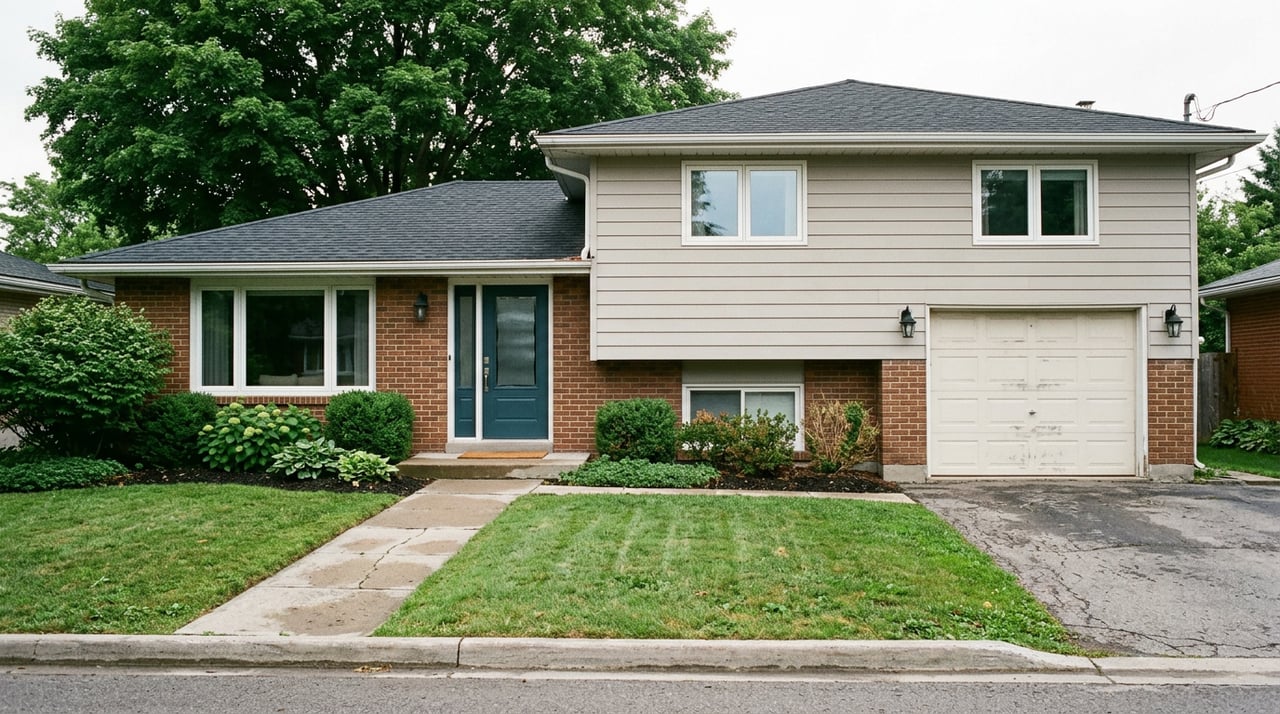
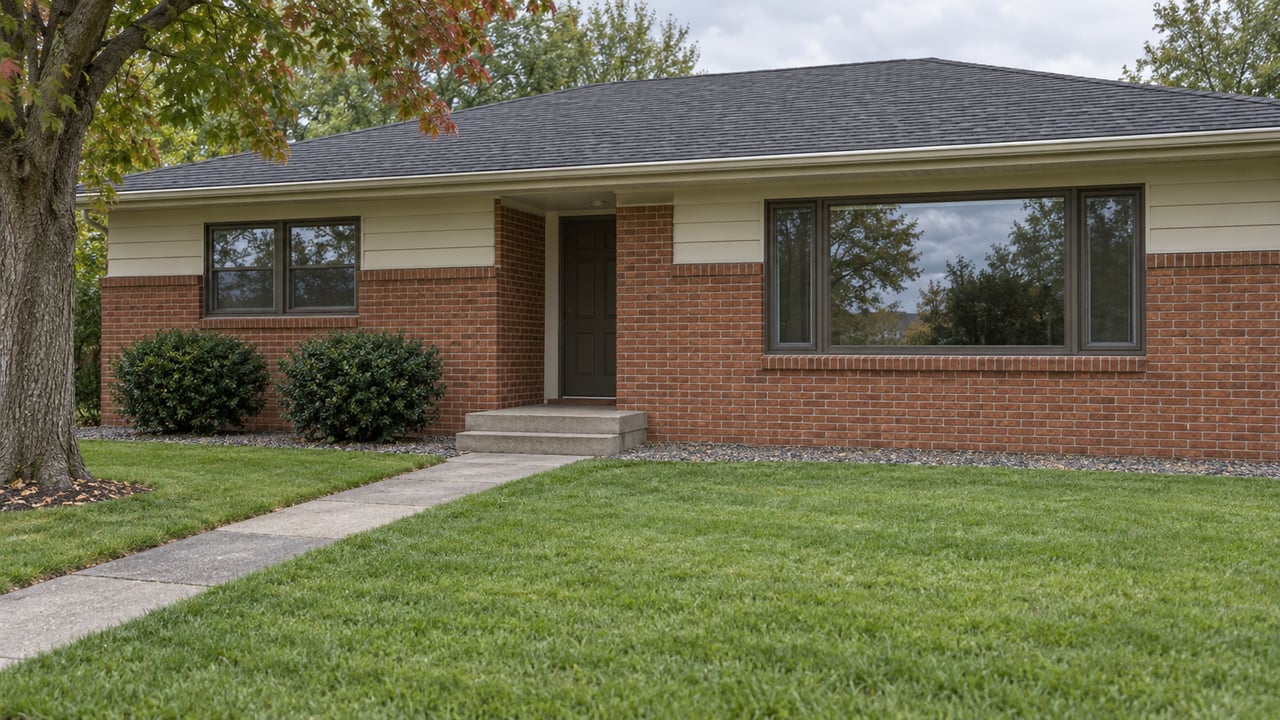
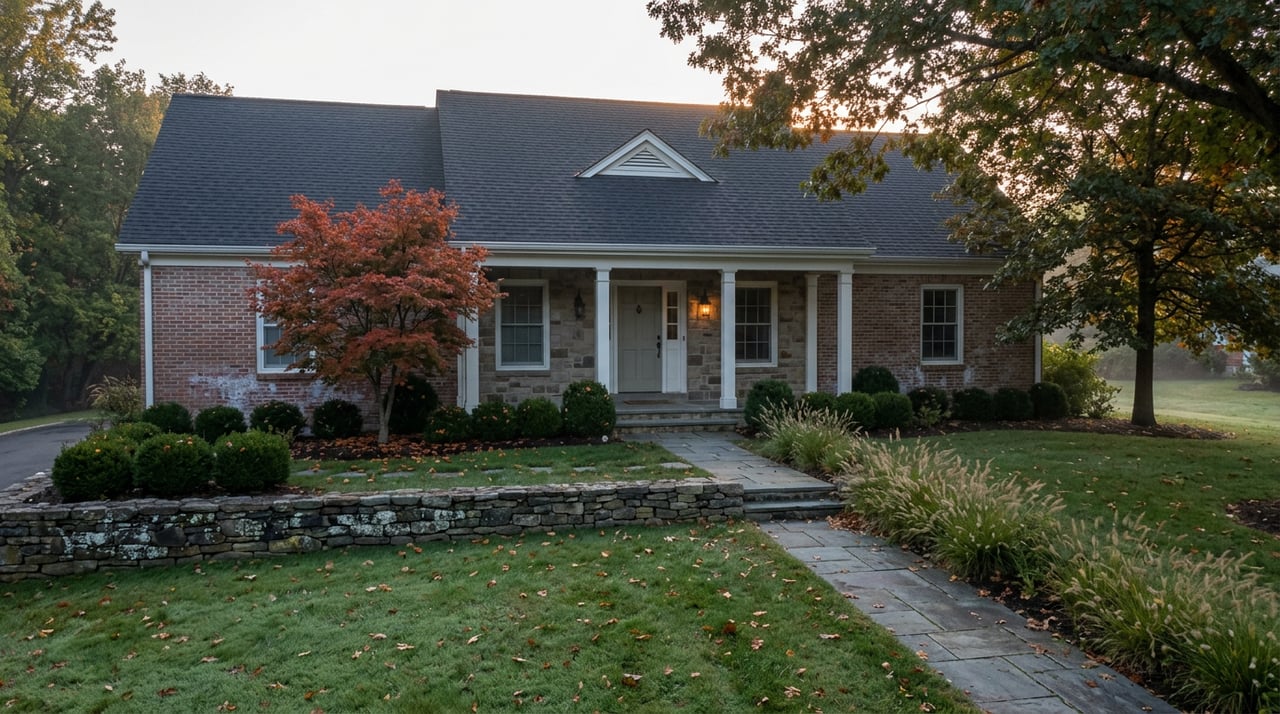
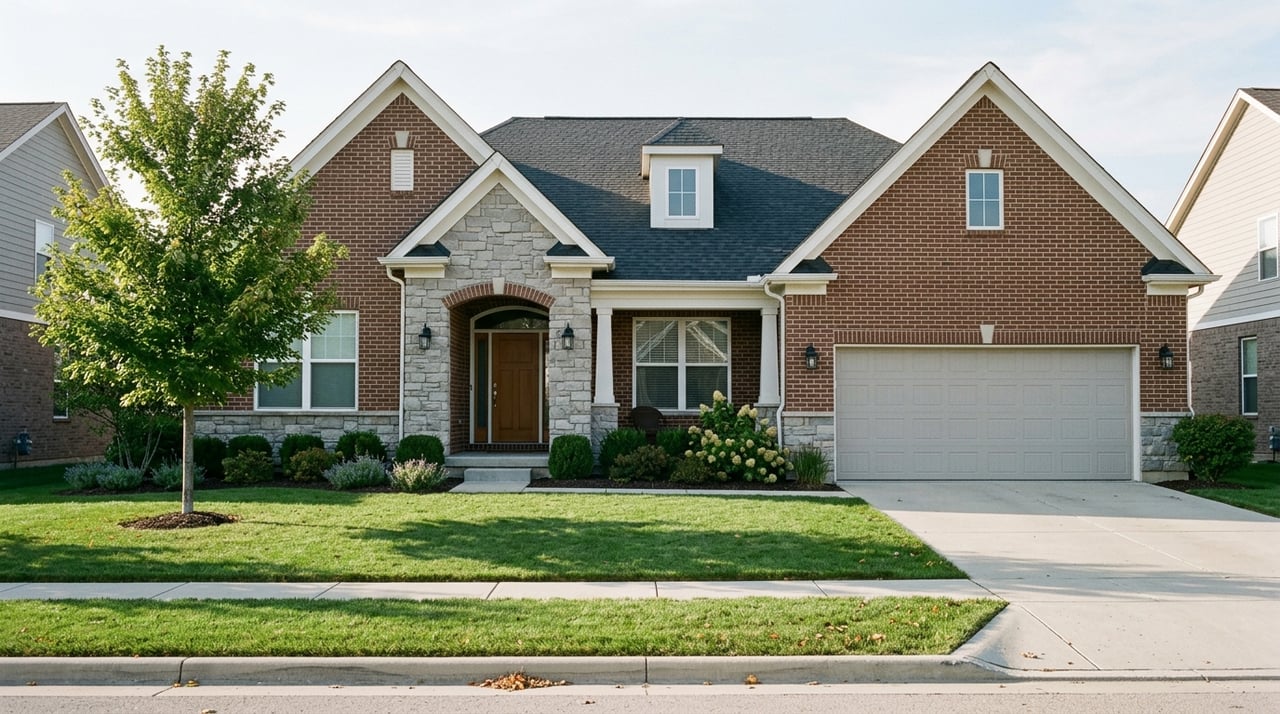
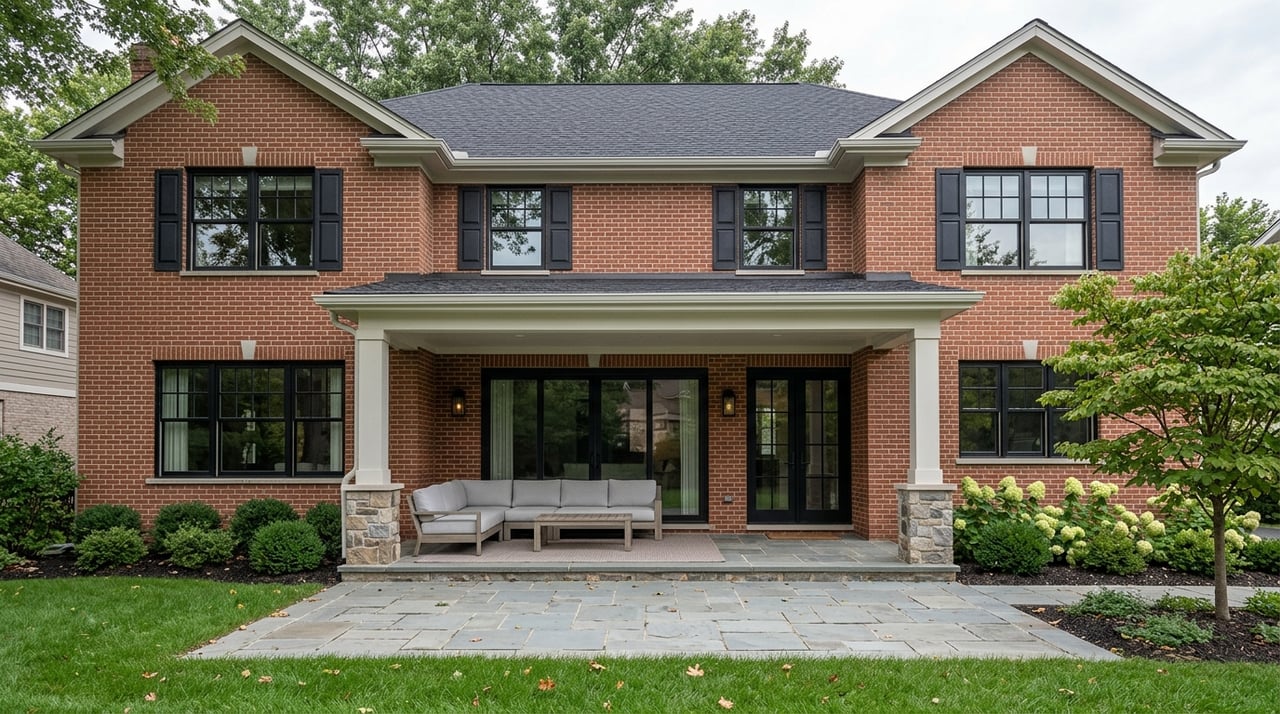
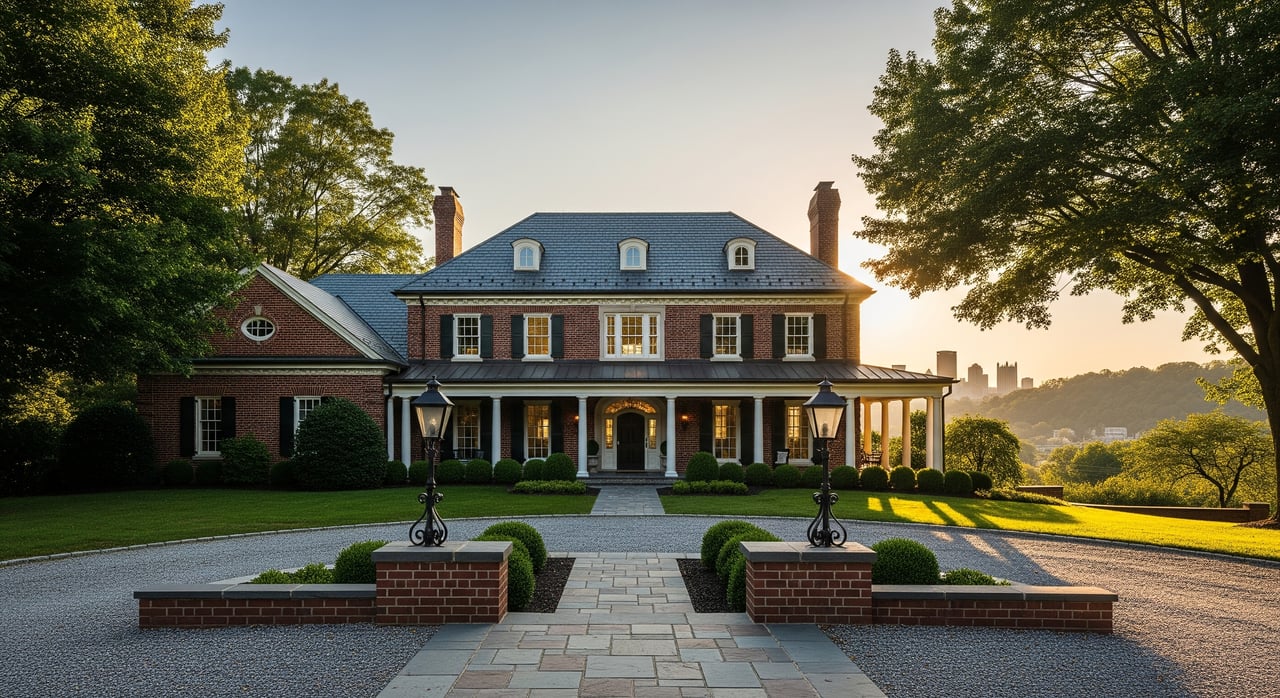
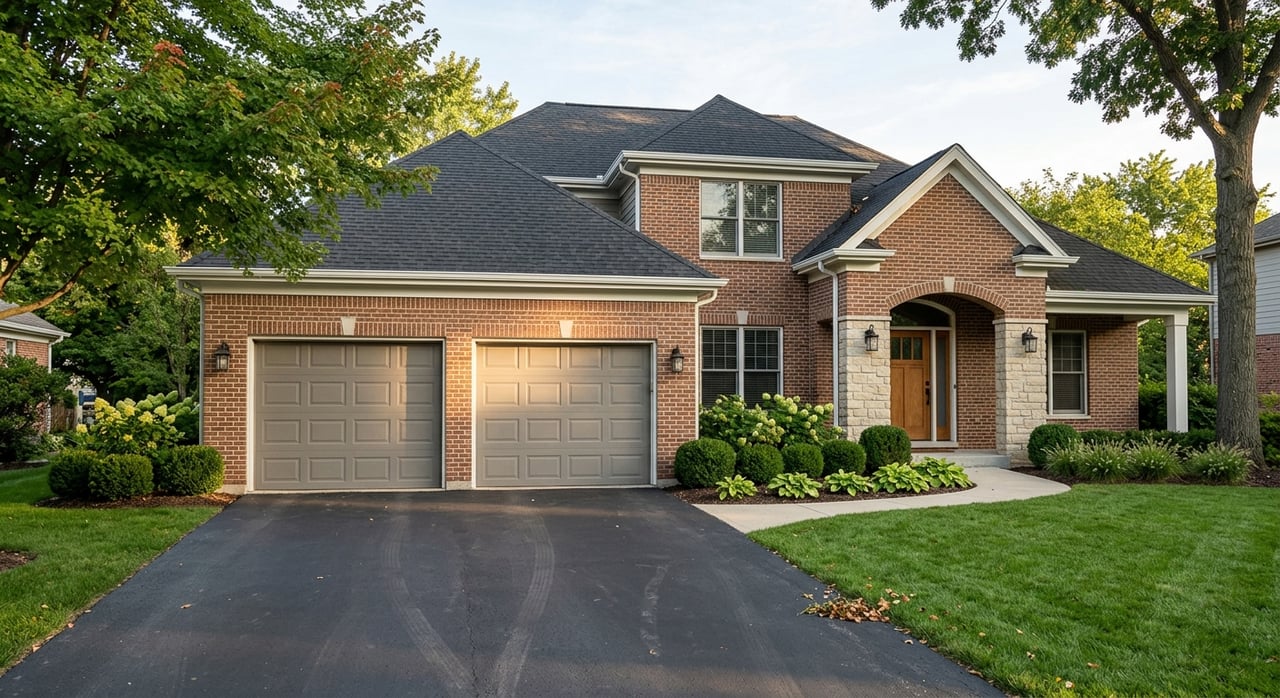
Murrysville officially describes itself as a largely rural, residential community with single-family homes on large lots. If that lifestyle is what draws you in, it helps to think honestly about how often you will commute and how much convenience you want built into your location.
A Quick Look at Murrysville Areas
Murrysville includes official neighborhood names such as Dunningtown, Newlonsburg, Ringertown, Sardis, and White Valley. For a buyer, these names can help you orient yourself as you compare homes and think about everyday driving patterns.
Rather than focusing only on price or square footage, it helps to think through your route to work, your likely departure time, and whether you want faster access to major roads. Those details can shape how your home feels to live in long after move-in day.
What to Expect Day to Day
For many people, commuting from Murrysville to Pittsburgh is realistic, but it works best when you go in with clear expectations. The distance is manageable, Route 22 is central to the trip, and nearby park-and-ride options add flexibility.
At the same time, this is not usually a set-it-and-forget-it commute. Traffic signals, Monroeville-area bottlenecks, winter weather, and construction can all affect your timing.
If you are deciding whether Murrysville fits your lifestyle, the question is not just whether you can make the commute. It is whether the balance of space, setting, and access feels right for your everyday routine.
If you are exploring Murrysville or comparing eastern suburbs, working with a local team can help you weigh commute patterns alongside the home itself. Jen Mascaro can help you find the right balance between location, lifestyle, and day-to-day practicality.
FAQs
How long is the commute from Murrysville to Pittsburgh?
- A common off-peak estimate is about 23 minutes over 18 miles, but actual commute time can vary based on traffic, signals, weather, and construction.
What road do most Murrysville commuters use to reach Pittsburgh?
- Route 22 is the main corridor for most commuters traveling from Murrysville toward Pittsburgh.
Is commuting from Murrysville to Pittsburgh realistic for daily work?
- Yes, many buyers consider it a realistic commute, especially if they are comfortable planning around peak traffic, seasonal weather, and occasional delays.
Are there park-and-ride options near Murrysville for Pittsburgh commuters?
- Yes, nearby options include Monroeville Mall Park and Ride and Plum Park and Ride, both of which offer commuter parking and transit connections toward Pittsburgh.
Can you take transit from near Murrysville to downtown Pittsburgh?
- Yes, Monroeville Mall Park and Ride offers service that connects to downtown Pittsburgh, and the route also serves Oakland and Squirrel Hill.
Does where you live in Murrysville affect your commute?
- Yes, homes closer to Route 22 may offer easier commuter access, while interior areas may offer a more rural and residential setting.
What should Murrysville buyers consider besides drive time?
- It helps to consider your likely route, departure time, winter travel comfort, and whether a park-and-ride option would improve your routine.