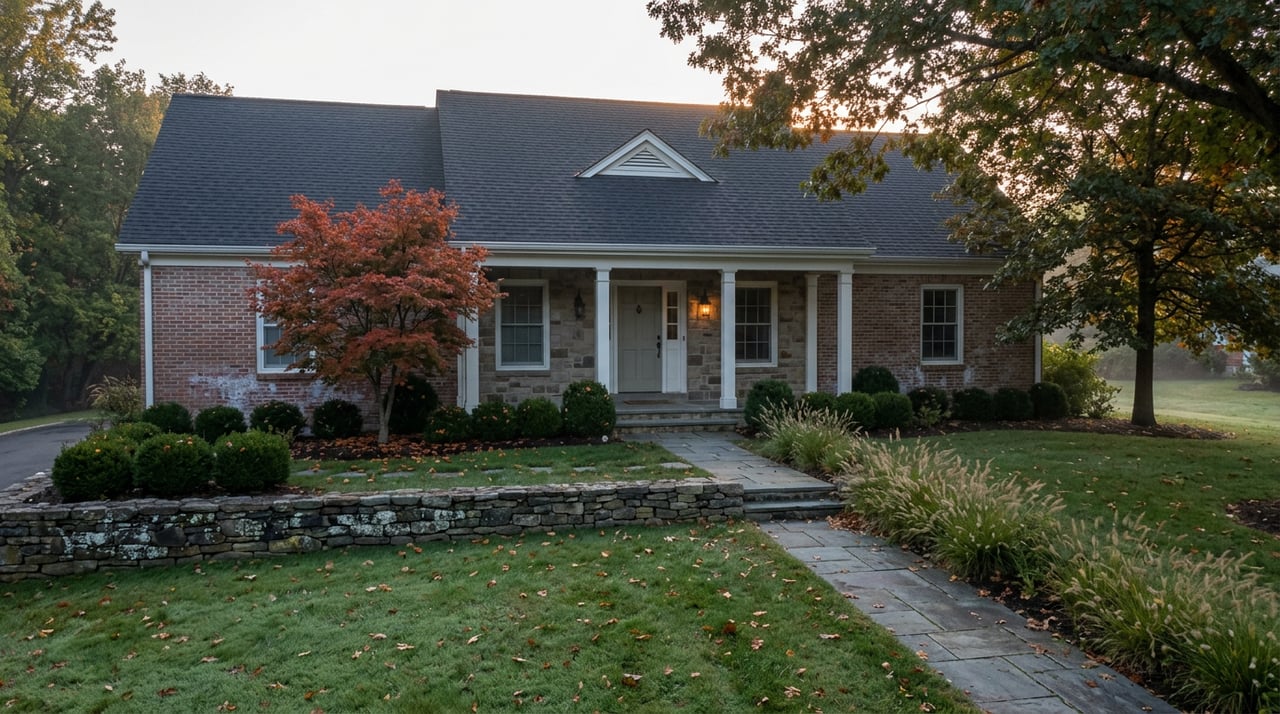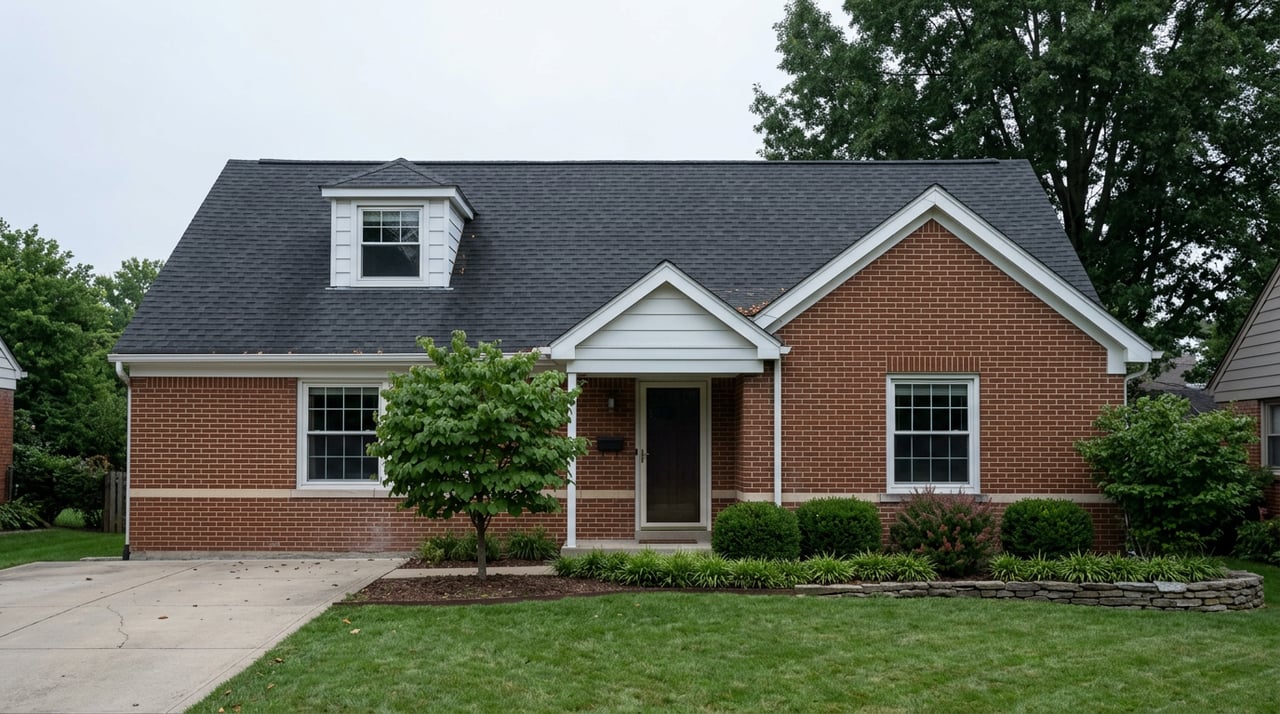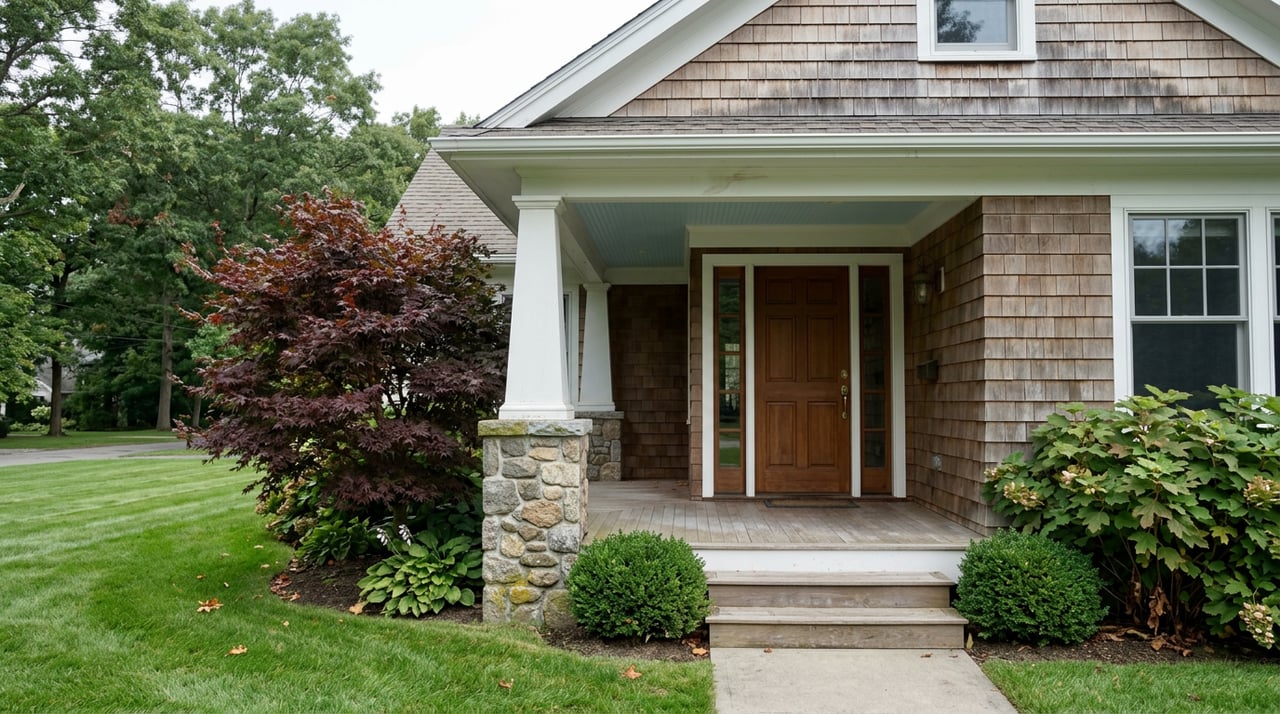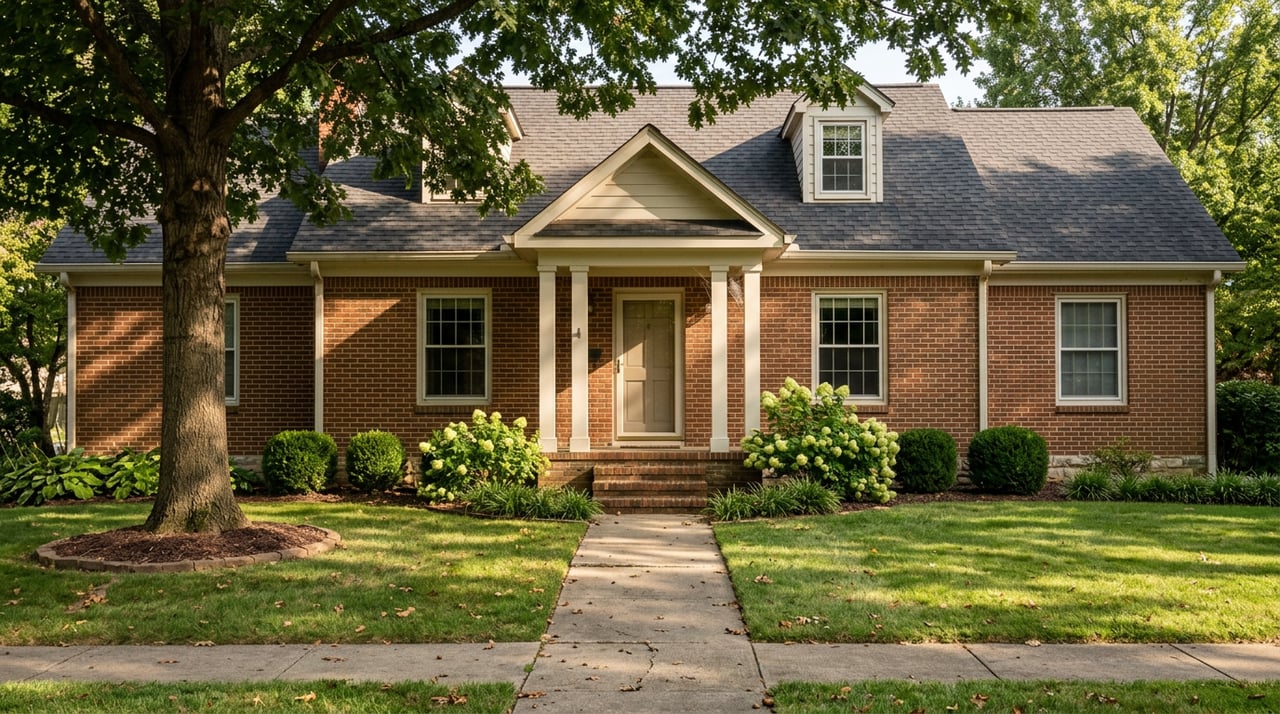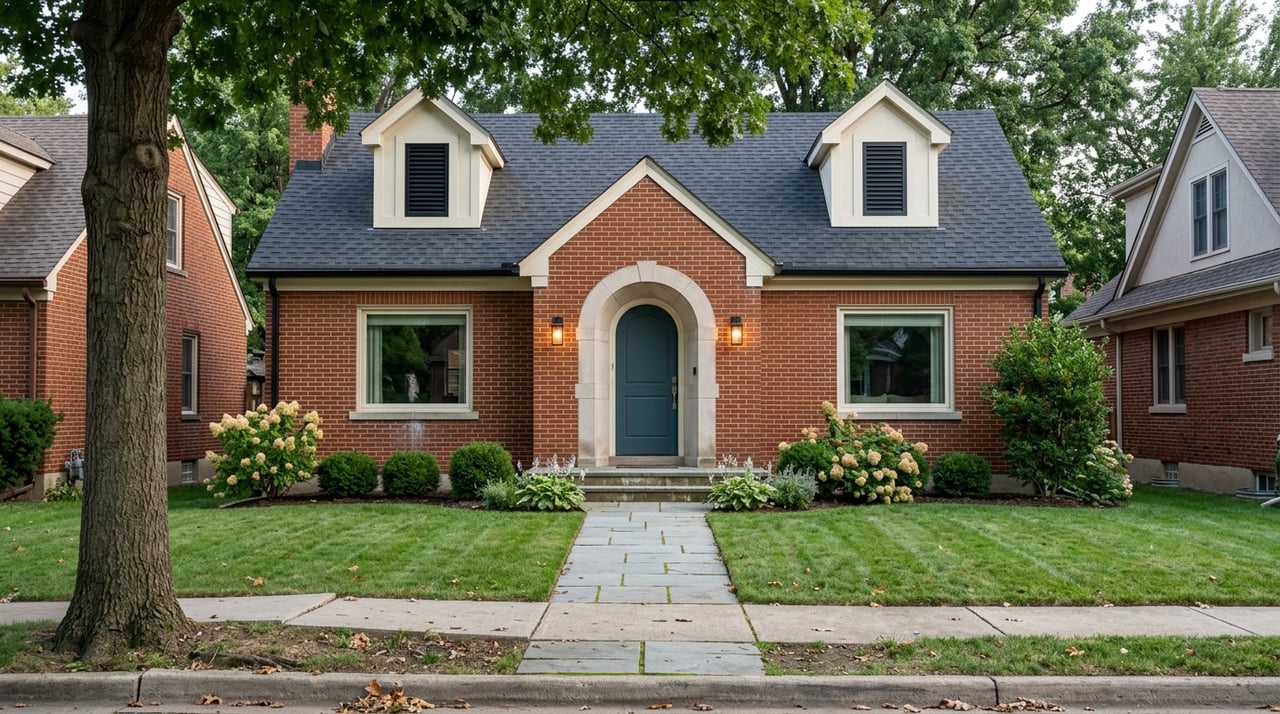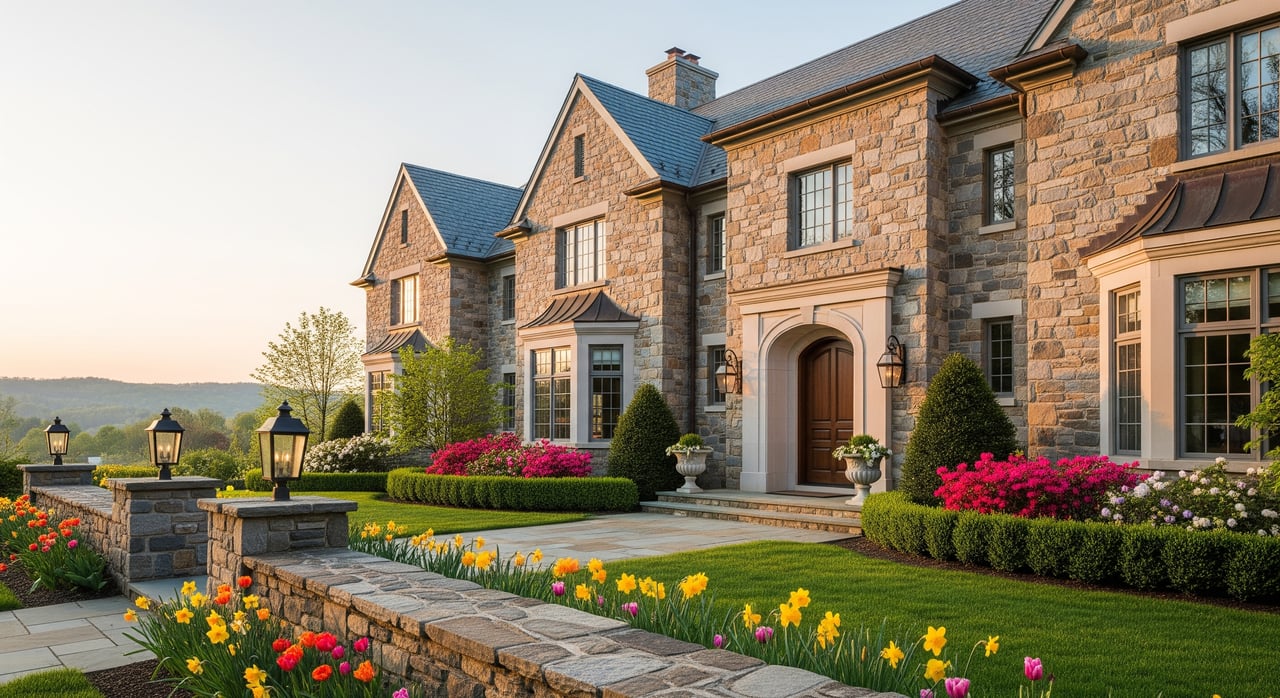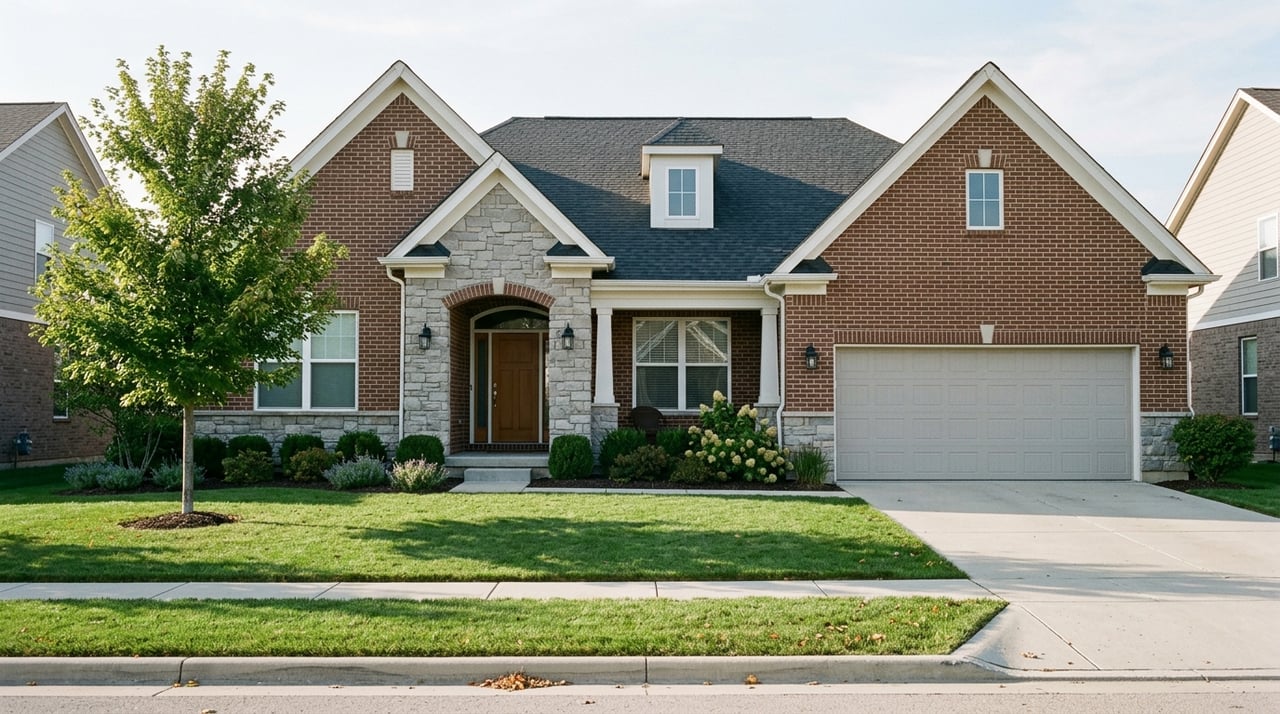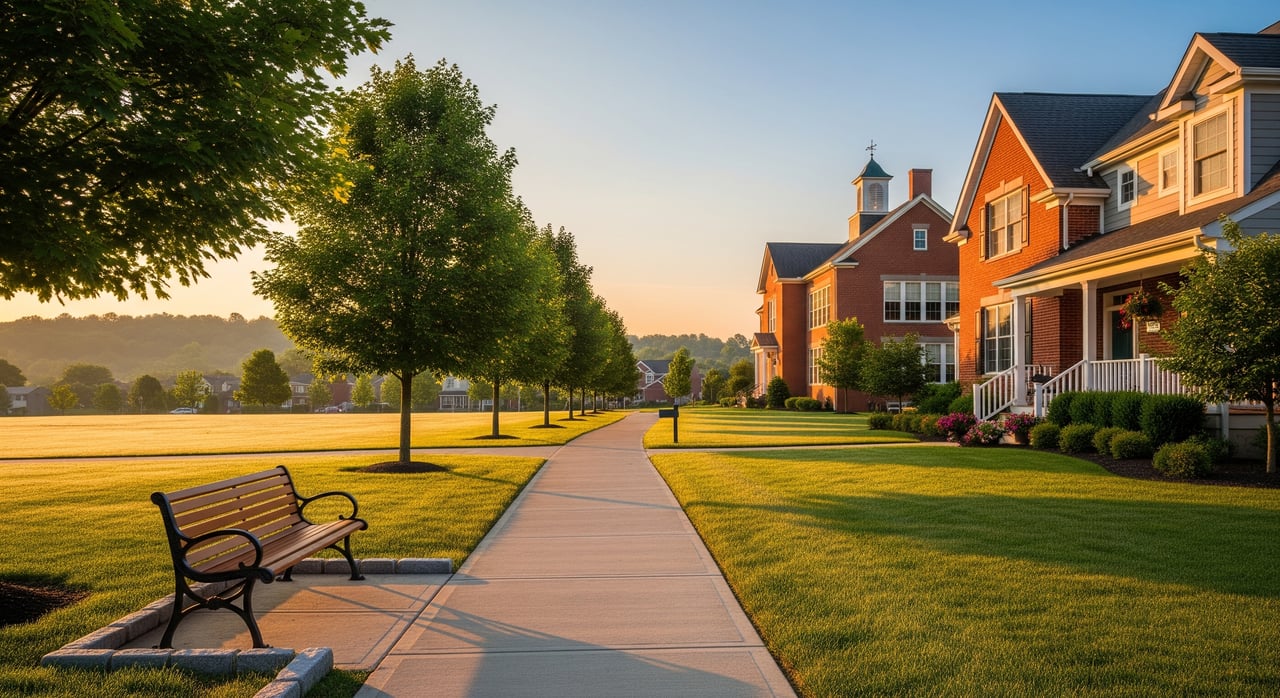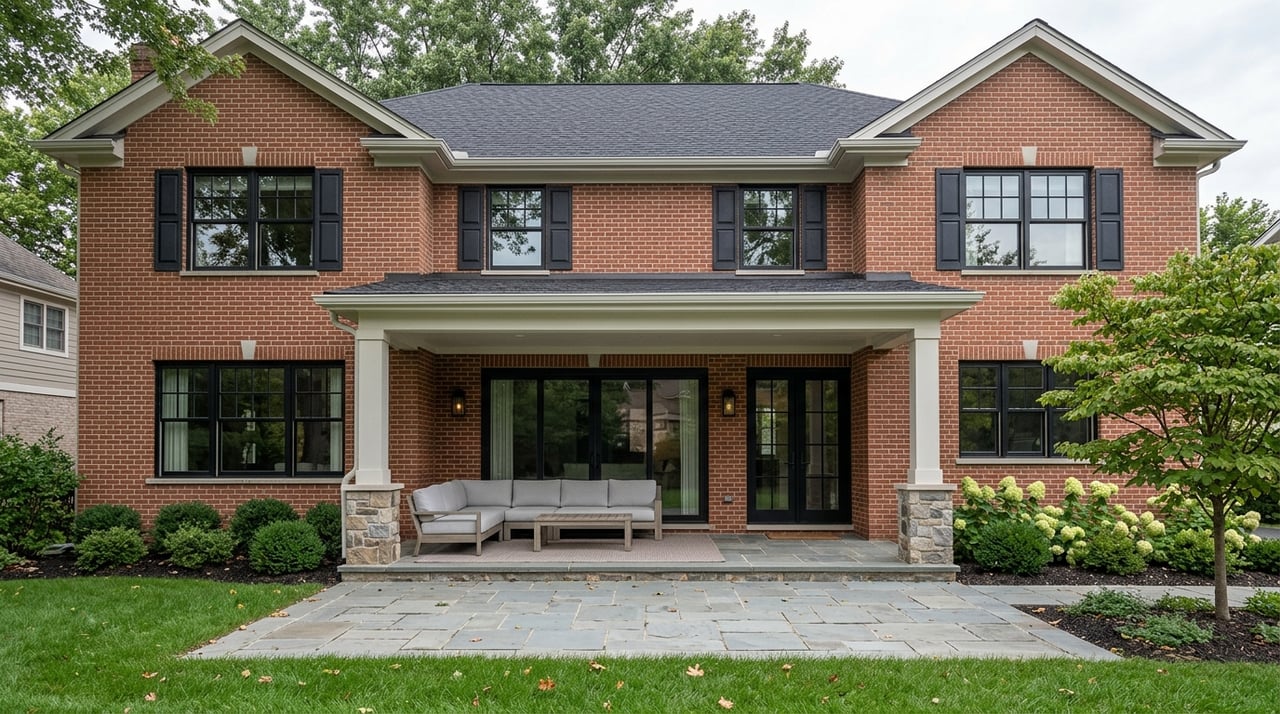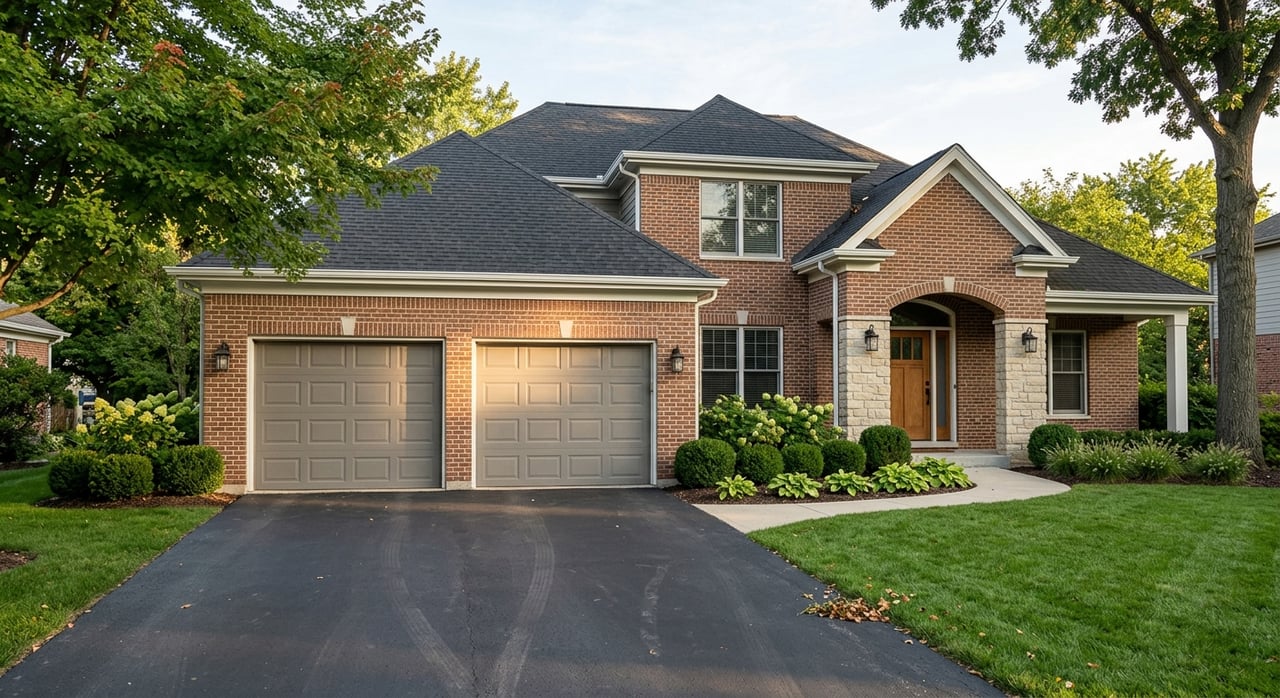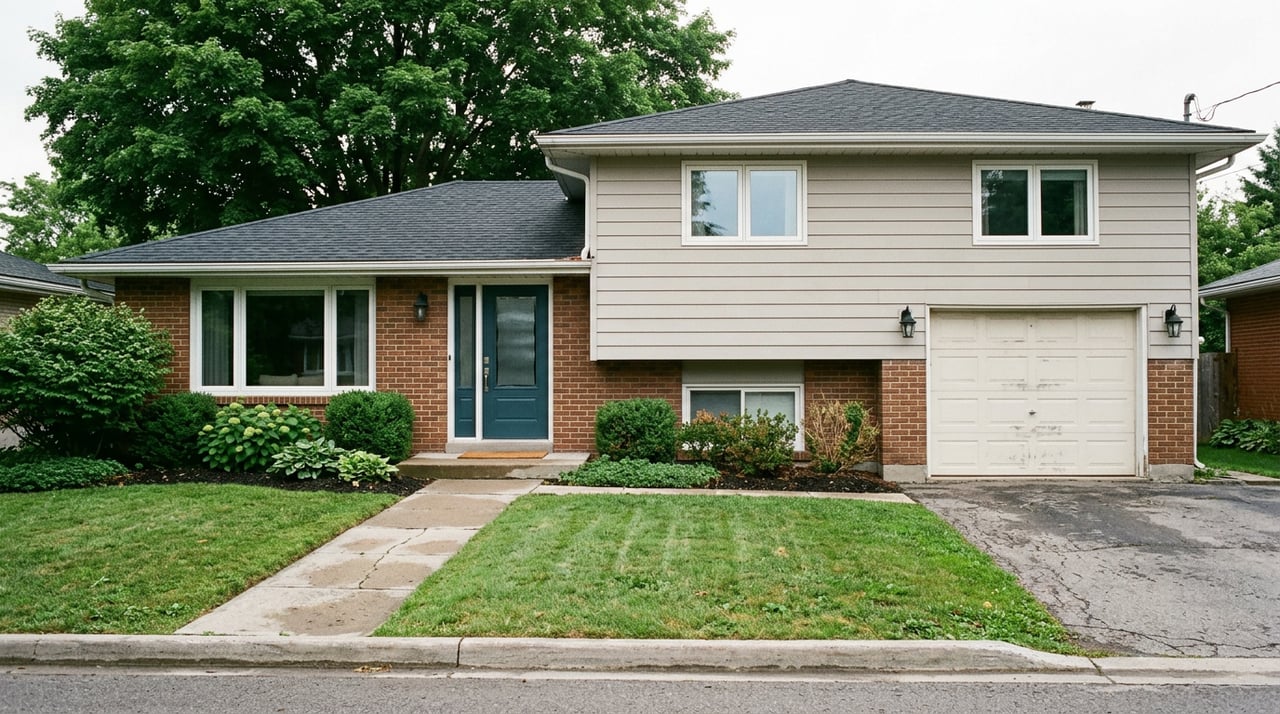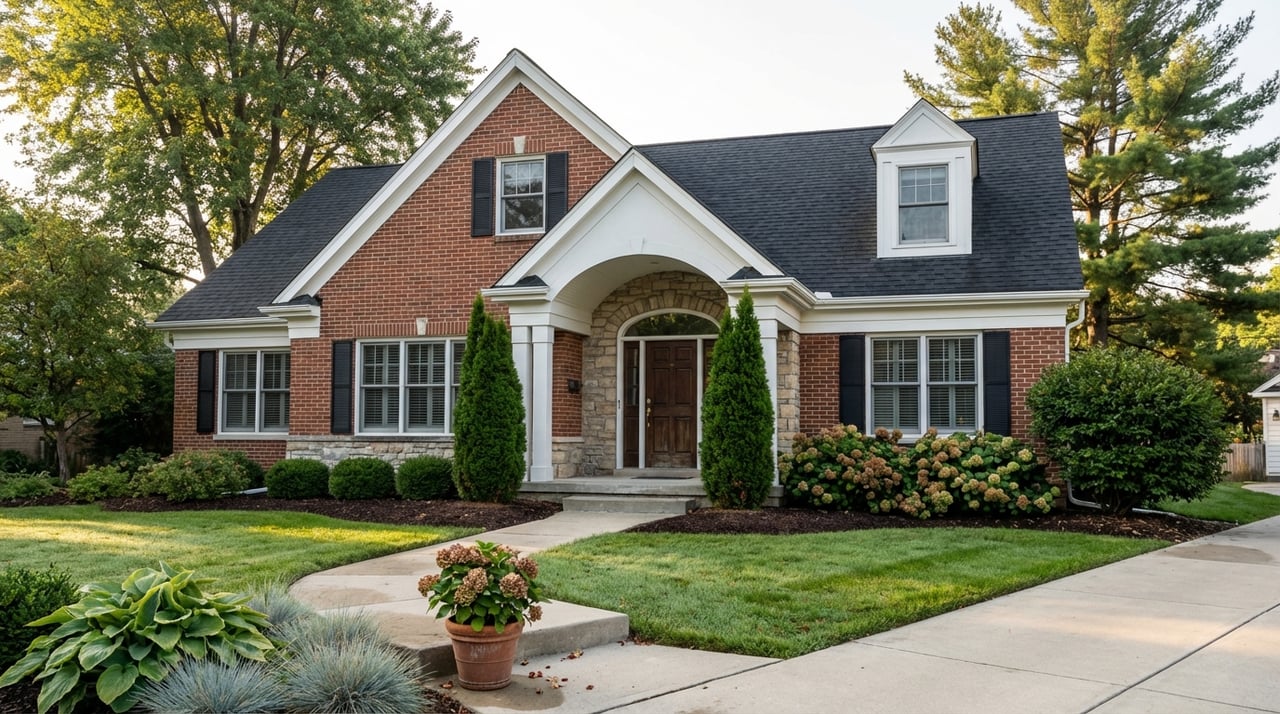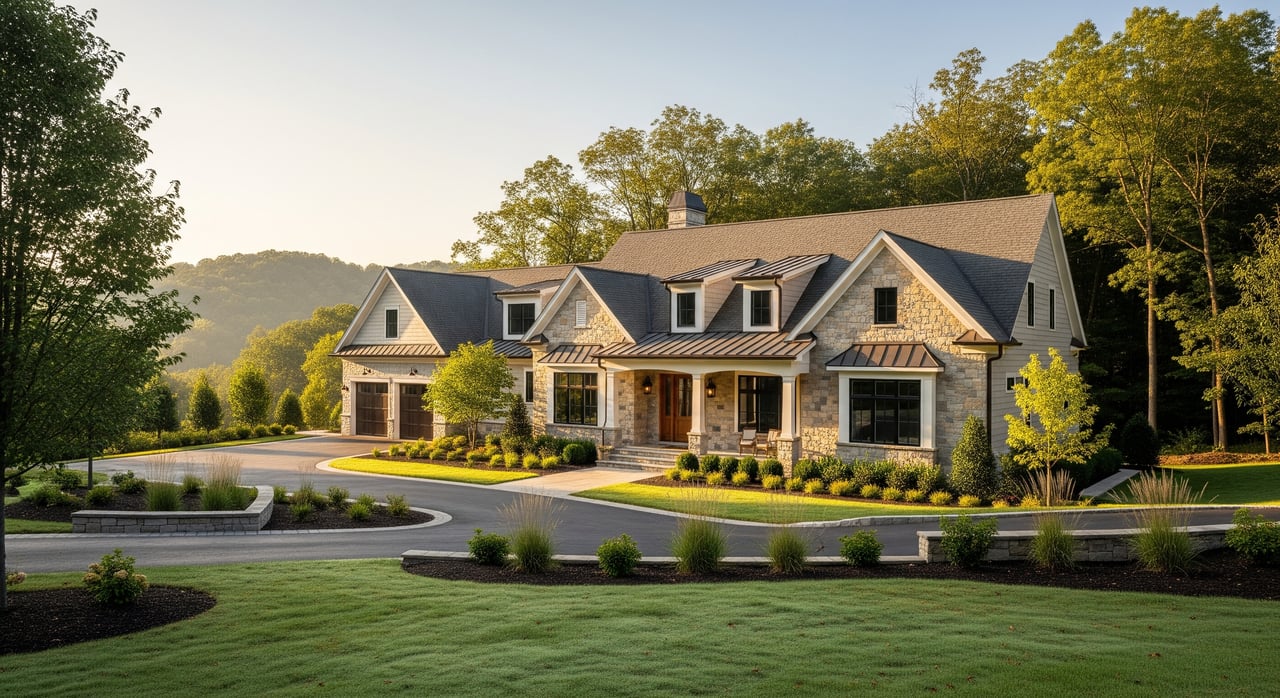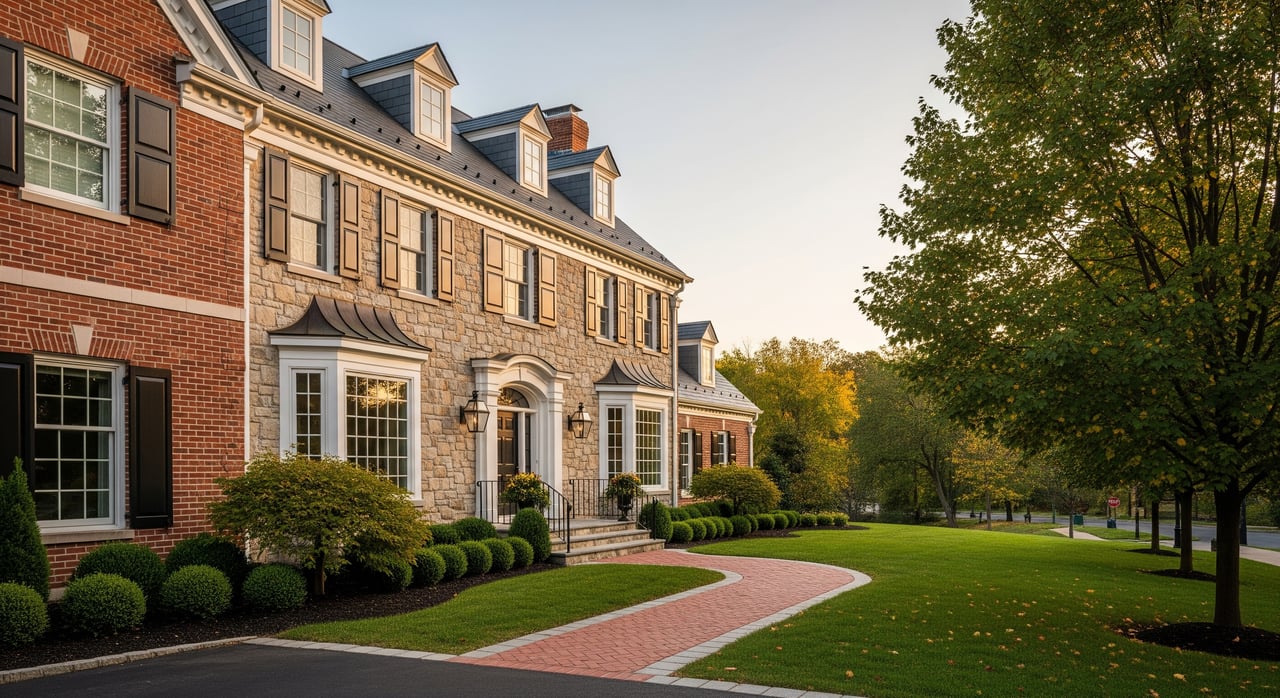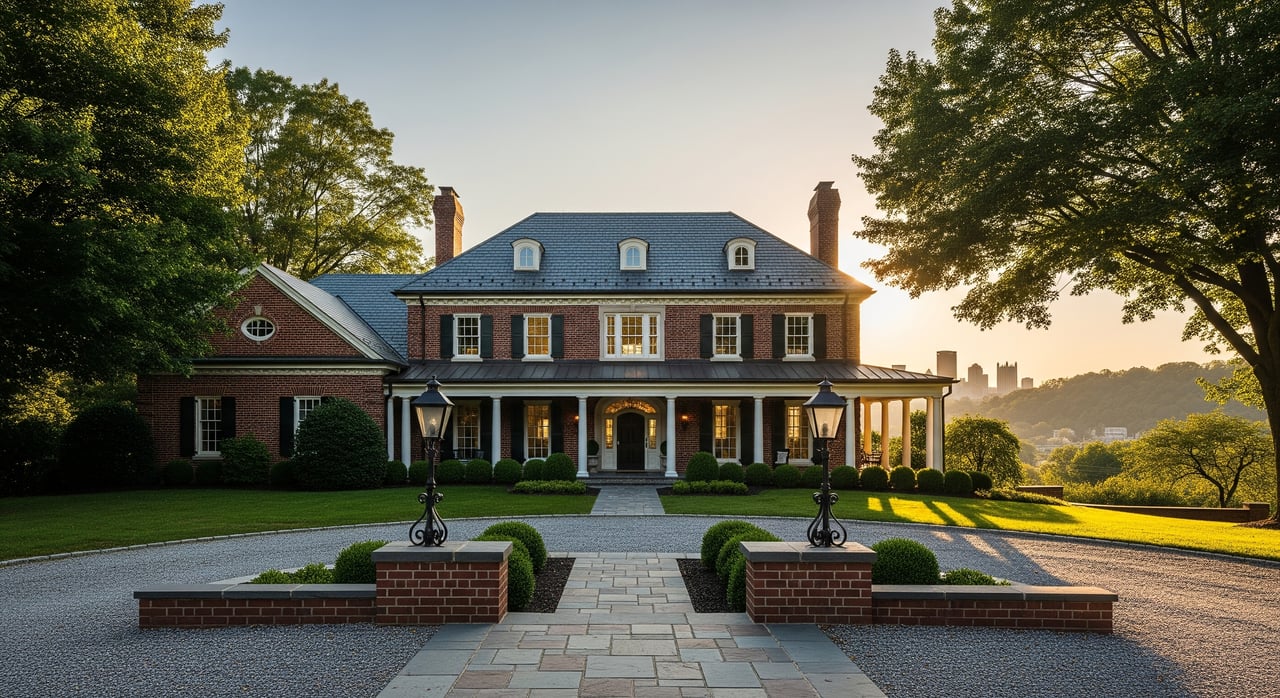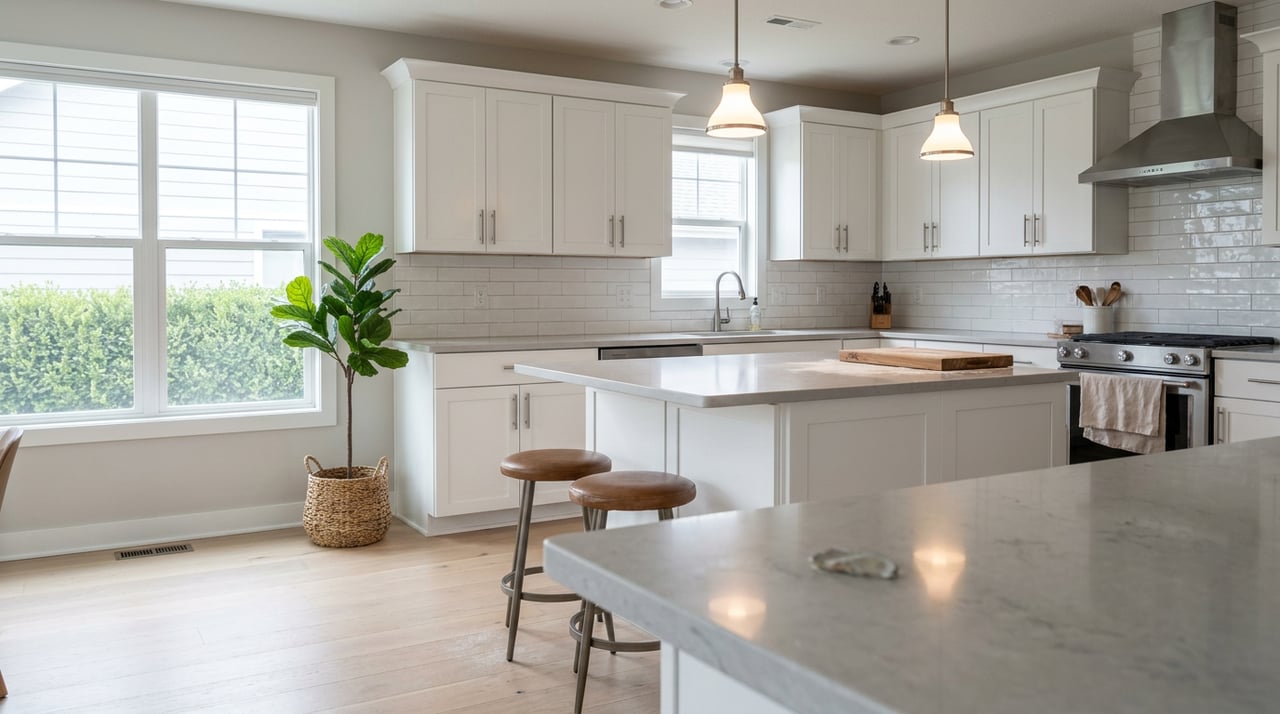
Drive Saltsburg Road on a Saturday afternoon and you'll pass two open houses that make no sense sitting next to each other. One is a brick ranch in an established Plum neighborhood, updated kitchen, listed in the $260s. A few miles up, past the Golden Mile Highway corridor, a Maronda Homes floor plan in a newer subdivision starts well north of $300,000 before a single upgrade gets added. Both are in Plum. Both get folded into the same headline number. And that number tells you almost nothing about which one you're actually shopping for.
Here's the figure most buyers see first: Plum's median sale price ran about $272,000 over the three months ending June 2026, up 6.8 percent from the same stretch a year earlier. On its own, that reads like a market heating up across the board. It isn't. The more useful number sits right next to it and gets skipped: only 63 homes sold in Plum in June 2026, down from 85 the year before, a drop of roughly a quarter. Days on market fell too, from 65 down to 53. Prices climbing while the pool of actual sales shrinks and moves faster isn't the same story as broad-based demand growth. It's a market getting thinner, not bigger, and the median is being pulled up by whatever happens to be selling in that smaller pool rather than by every home in Plum gaining value equally.
Why fewer sales can still mean a higher median
Picture a market where the modest starter ranches, the ones anchoring Plum's reputation as an affordable Pittsburgh suburb, simply aren't hitting the market as often. Owners who refinanced at low rates a few years back have less reason to sell now. Meanwhile the homes that do list, especially updated ones in walkable, established sections of the borough, get snapped up fast because there's less competition among sellers for buyer attention. Fewer transactions, faster closings, and a median that skews toward whatever inventory actually existed that month. That's a plausible read of a market posting a higher median price with a quarter fewer closings, and it matters because it changes what a buyer should expect walking in. You're not competing against a wide, evenly distributed field of comparable homes. You're competing for a narrower slice of listings that move quickly once they appear.
That distinction matters most for buyers who came to Plum specifically because the portals labeled it affordable relative to the national median. The label is still directionally true. What it doesn't tell you is that the affordable stock is exactly the stock getting harder to find.
Resale Plum and new-construction Plum aren't the same market
The second piece of this, and the one that trips up buyers comparing Plum to neighboring Monroeville or Penn Hills on price alone, is that new construction in the borough starts at a meaningfully different number than the resale median suggests. Plum currently has new-build activity spread across roughly 84 communities and around 20 builders, with listed starting prices from just under $300,000 up toward $1.7 million depending on lot, floor plan, and finish level. Maronda Homes is one of the builders active in Plum right now, and subdivisions like The Ridge show up regularly in current listings as examples of the newer-construction end of the market.
Set that against the resale median hovering in the $270,000s and you get a gap of roughly $30,000 or more between "typical Plum home that already exists" and "cheapest new home currently being built in Plum." Neither number is wrong. They're describing two different products that happen to share a zip code. A buyer who anchors on the resale median and then starts touring new-construction communities is going to feel like the market moved on them overnight. It didn't move. They were comparing two different markets against the same headline figure the whole time.
| Resale (3 months ending June 2026) | New construction (current) | |
|---|---|---|
| Typical price | ~$272,000 | Starts ~$299,990 |
| Price range | Varies by home and lot | $299,990 to $1,679,900 |
| Recent trend | Up 6.8% year over year, fewer sales | Ongoing across ~84 communities |
| Days on market | Down to 53 from 65 a year earlier | Depends on build stage |
What this means if you're comparing Plum to its neighbors
Buyers weighing Plum against Monroeville or Penn Hills tend to start with a single number on each town and stop there. That approach was never great practice, and it's especially misleading in Plum right now, because the borough is effectively running two markets on two different clocks. If you're looking at resale, expect a smaller pool that clears quickly. Homes that show well and price correctly for their block are not sitting long. If you're comparing new construction, the entry price starts closer to the $300,000 mark, and the comparison to a neighboring suburb's resale median stops being apples to apples.
The practical move is to decide which market you're actually shopping before you start comparing towns. If a specific resale price point is the goal, a Plum search needs to move fast once something appears in that established, walkable band, because the shrinking sales count means less time to think it over than the raw median suggests. If new construction with a chosen floor plan and finish package is the goal, the honest comparison point against Monroeville or Penn Hills is the new-build price floor there, not whatever median headline the portals are running that week.
None of this means Plum stopped being a value relative to the broader Pittsburgh region. Plum is still one of Pennsylvania's largest boroughs by land area, with established neighborhoods like Holiday Park sitting alongside newer subdivisions built where farmland used to be, and the Plum Borough School District serves the whole footprint. What changed is how much weight a single median number can carry. Right now, in this specific borough, it's carrying less than usual.
A few straight answers
Is Plum a buyer's market or a seller's market right now? The data leans toward sellers on the resale side. Fewer homes sold in June 2026 than a year earlier, and the ones that did sell moved faster and for more, which points to limited resale inventory rather than soft demand.
Why would prices go up if fewer homes are selling? A shrinking, faster-moving pool of sales can still push the median higher if the mix of what's actually closing shifts, even without every home in the borough gaining value at the same rate. Fewer transactions means the median is more sensitive to which specific homes happened to sell that quarter.
Should I look at resale or new construction in Plum? That depends on budget and timeline more than on which one is "better." Resale gives access to established neighborhoods at a lower entry price but requires moving quickly once something suitable lists. New construction starts closer to $300,000 and up, but comes with more predictability on condition and finish.
Does the school district serve all of Plum, or just parts of it? The Plum Borough School District covers the borough. Specific attendance boundaries are worth confirming directly with the district for any particular address.
If you're trying to figure out which of these two Plum markets actually fits your budget and timeline, that's exactly the kind of comparison worth working through before you start touring. The Jen Mascaro Team tracks both sides of this market closely, resale and new construction, and can walk you through what a specific price point actually buys in Plum right now. Reach out, or start with a home valuation if you're weighing a move from the other direction.