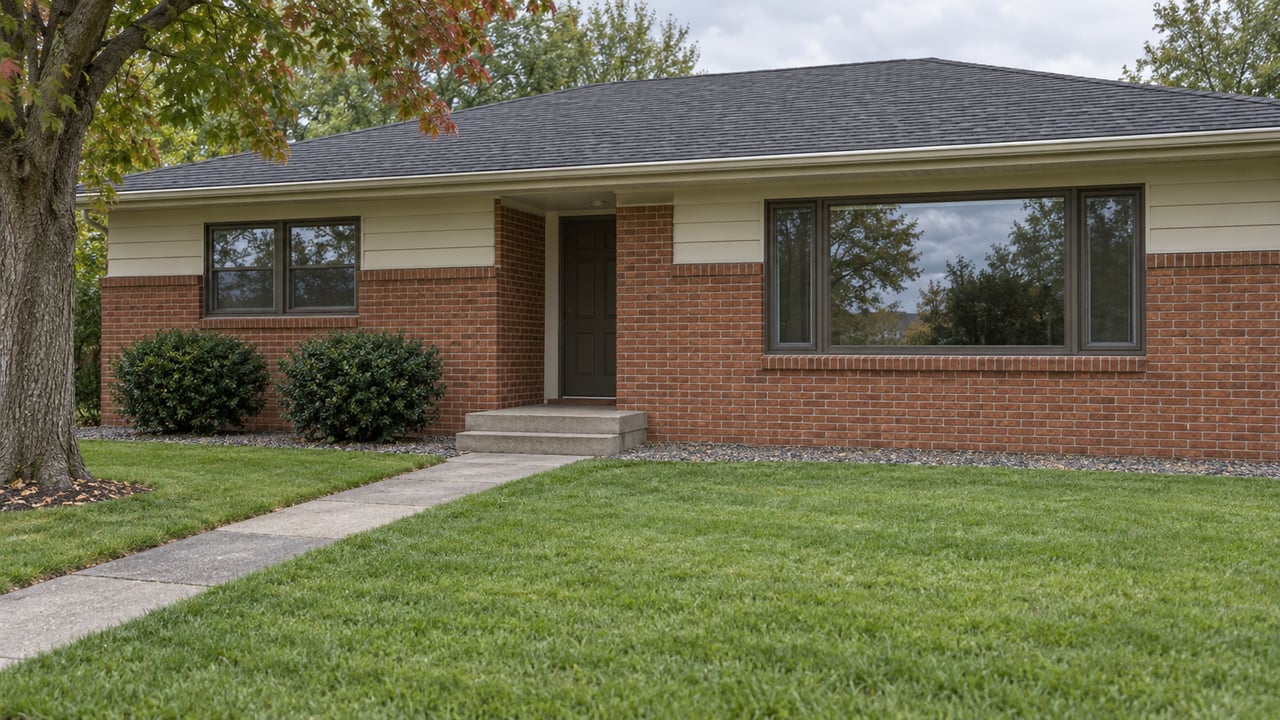
A buyer scanning Monroeville listings this month runs into a number fast. Borough-wide, homes were listed at a median of $257,000 in September 2026, and closed sales over the three months ending in June came in at a median of $276,000, up 11 percent from a year earlier. Then that same buyer clicks into Garden City, a walkable pocket tucked between Plum and Monroeville East, and finds active listings sitting well under that line. A four-bedroom on Hazelnut Drive at $200,000. A three-bedroom on Cottonwood Drive at $234,900. The instinct is to assume something is wrong with the neighborhood.
Nothing is wrong. Garden City is doing exactly what it was built to do in 1955.
One name on the map, two housing eras underneath it
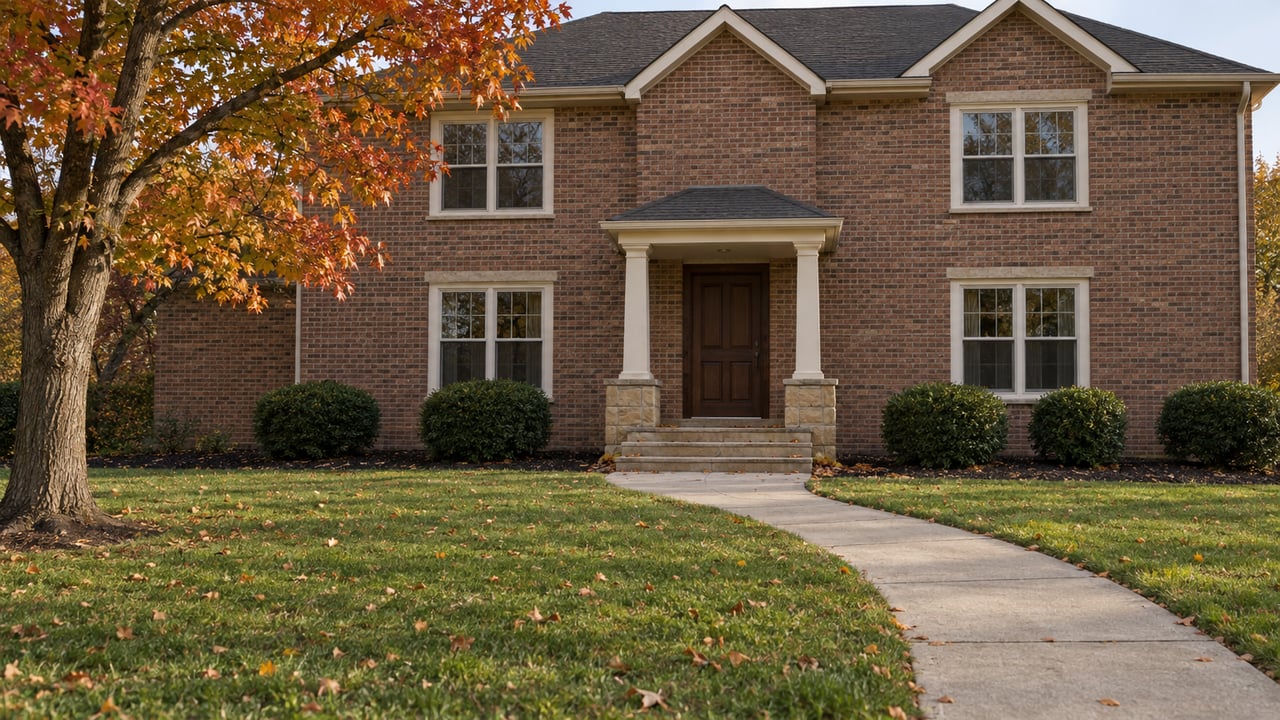
Monroeville's median price is an average pulled from a borough that includes brand-new construction, mid-century subdivisions, and everything built in between. Garden City doesn't contribute a spread of eras to that number. It contributes one era, almost uniformly. Housing data on the neighborhood shows homes concentrated in a narrow band built between 1940 and 1969, and the area has a higher share of detached single-family homes than the overwhelming majority of neighborhoods nationally. When a pocket that specific sits inside a borough-wide median, it will almost never land on that median. It will land on whatever its own decade of construction was priced to deliver.
That decade, for Garden City, has a name attached to it and a specific opening day.
The neighborhood was built to be shown off
Garden City opened in April 1955 as one of the first fully planned residential communities in the Monroeville area, and the developers marked the occasion by bringing in Wanda Jennings, who had been crowned Mrs. America the year before, to greet visitors touring the new homes. Photographs held by the Monroeville Historical Society track the subdivision through its early years: a 1950s entrance sign, homes going up in 1956, a shopping center on Garden City Drive by 1960, and a community swimming pool that residents still use today at the corner of Laurel and Garden City Drive.
That pool is now the Garden City Swim Club, a members-only facility that runs Memorial Day through Labor Day and still fields a youth swim team, the Dolphins, along with a snack shack and picnic pavilions. Garden City Plaza, the retail strip born out of that same 1955 buildout, still anchors the neighborhood's daily errands.
None of that history changes what the houses cost. It explains what kind of house you're buying when you buy one here.
What a 1955 ranch actually delivers in 2026
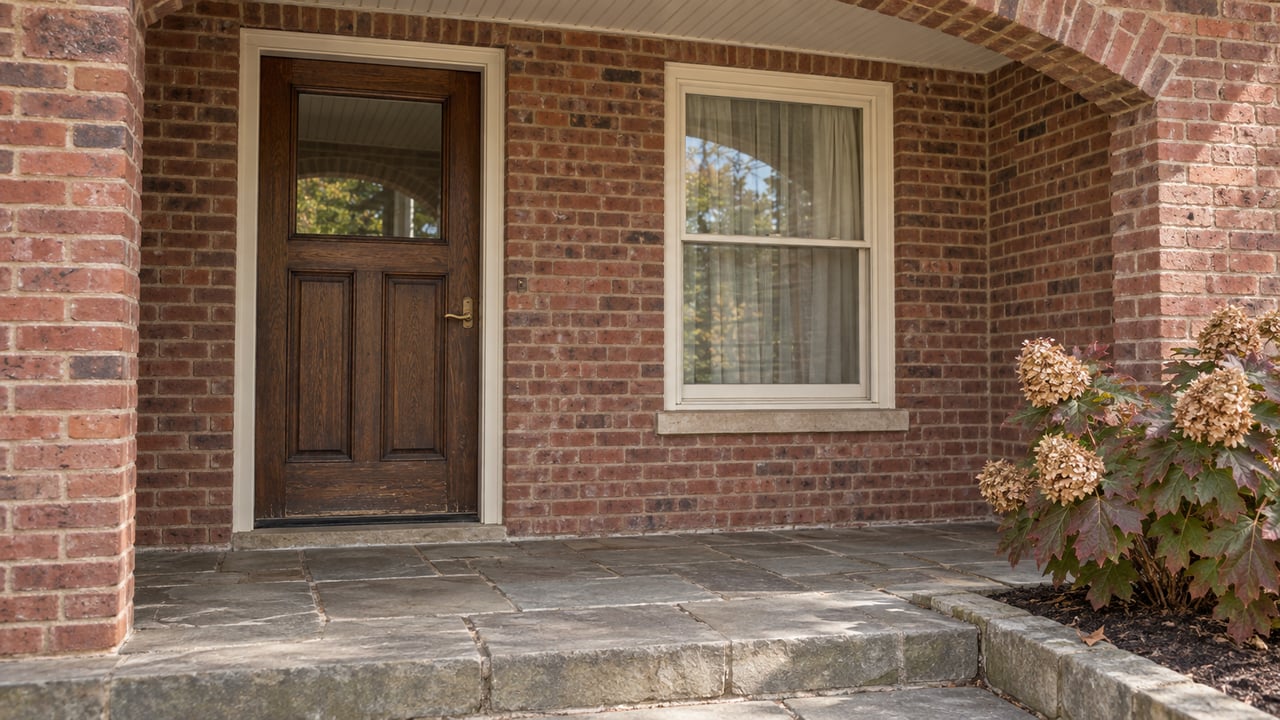
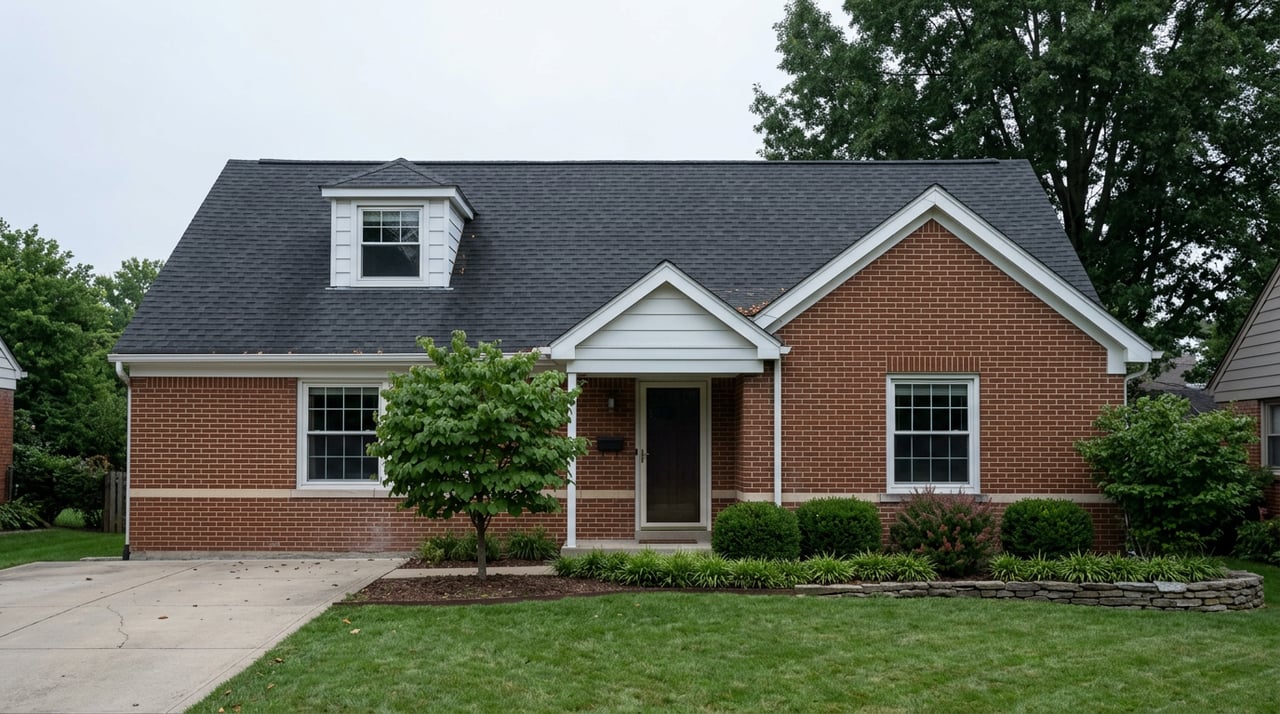
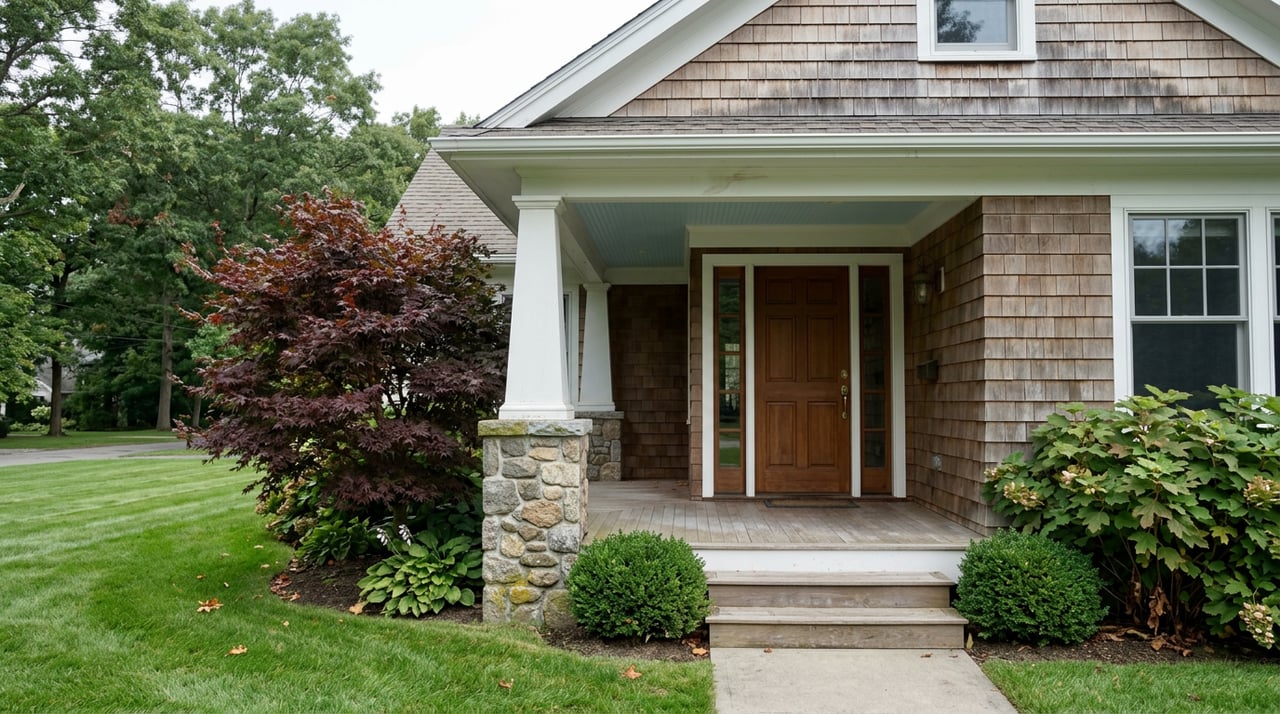
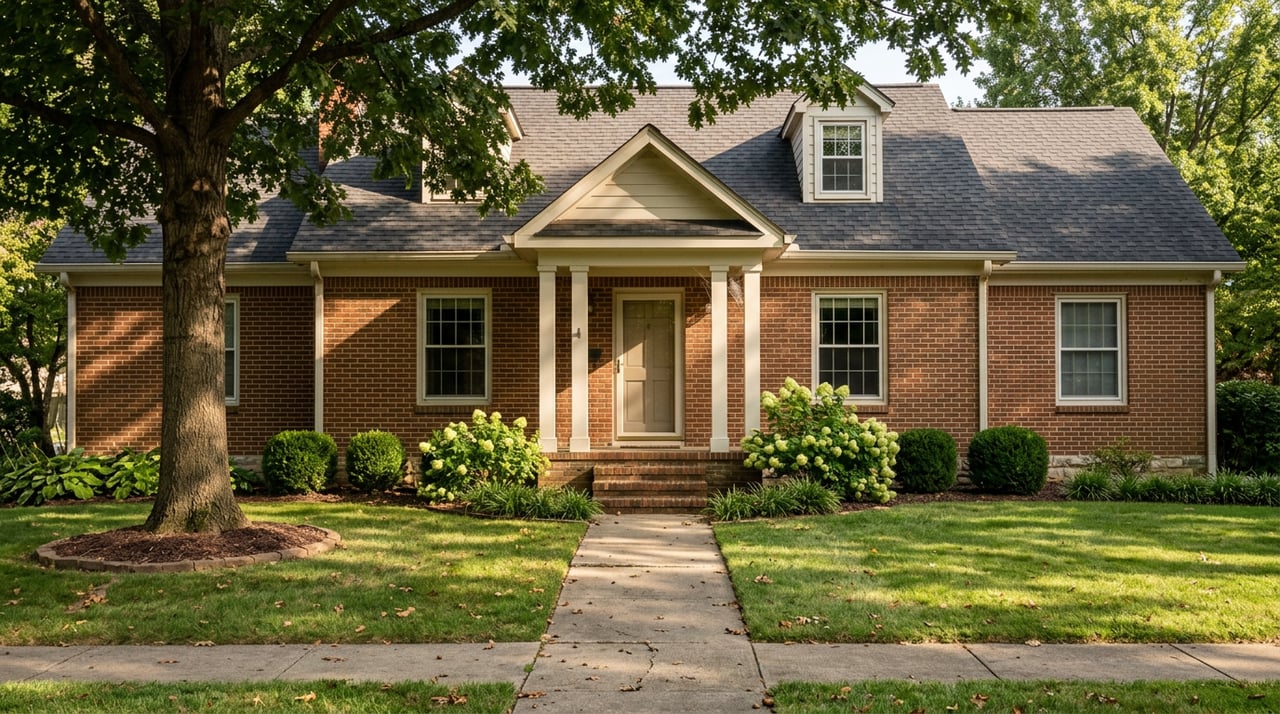
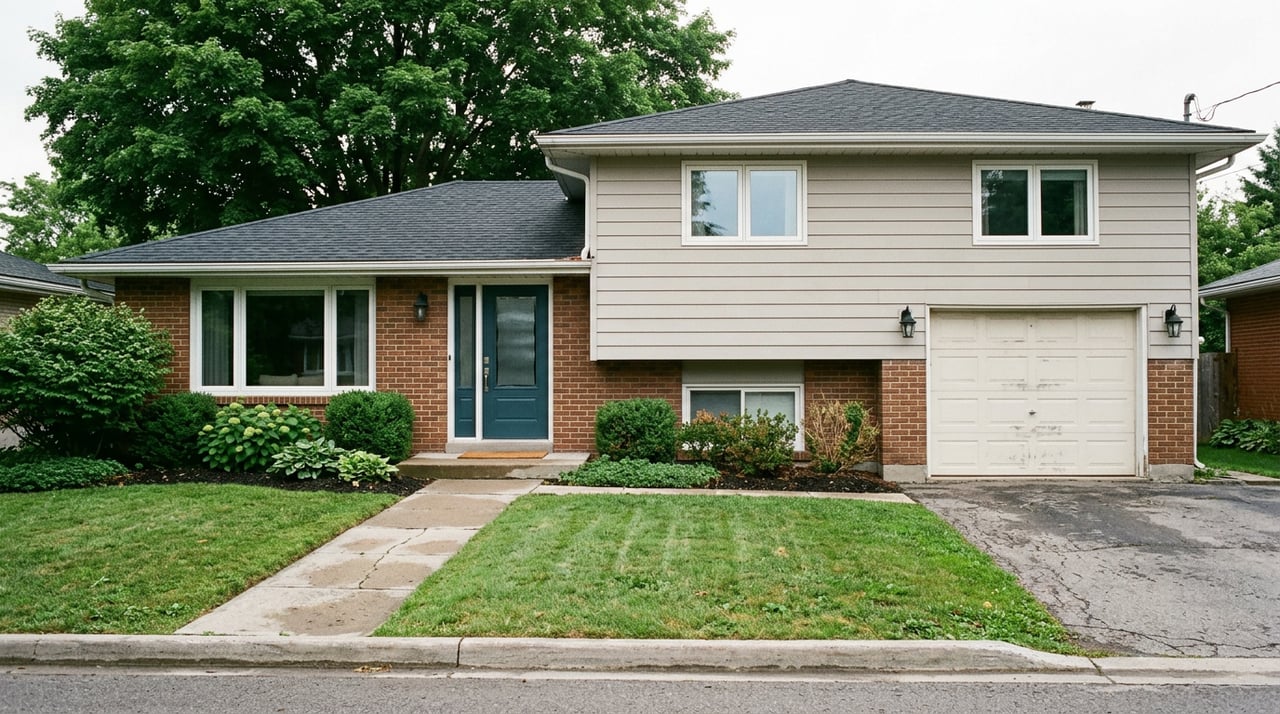
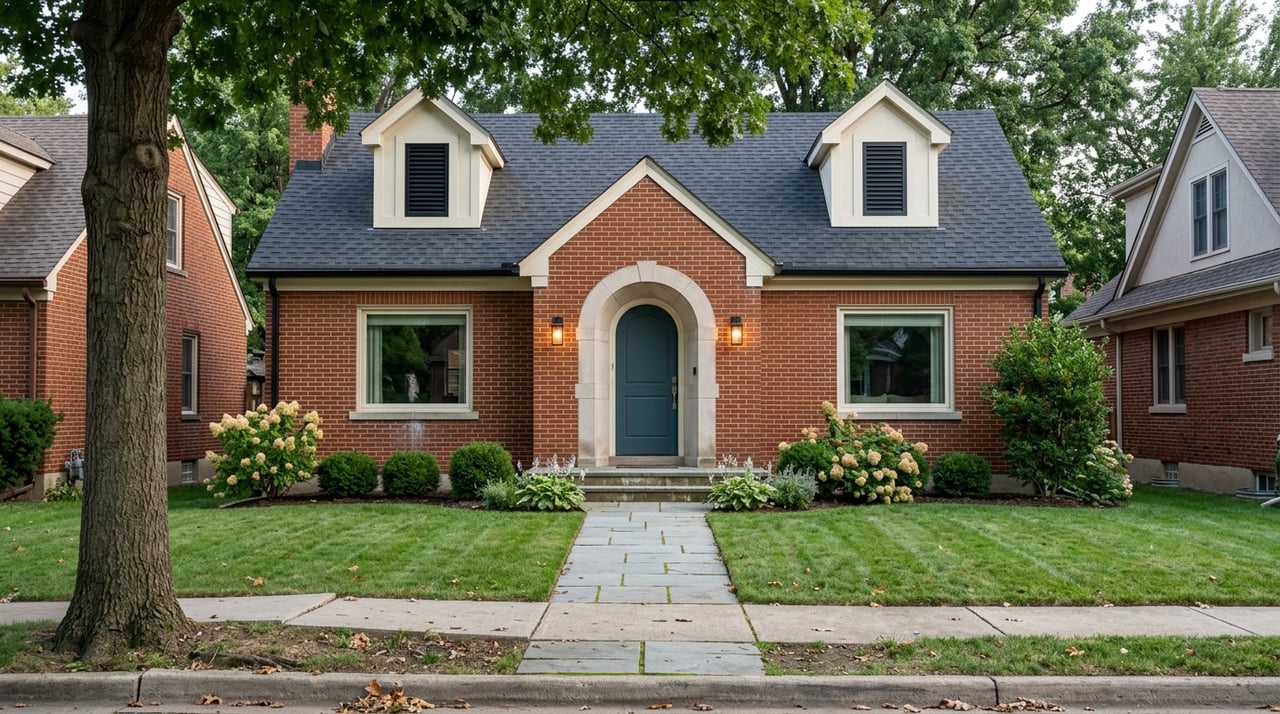
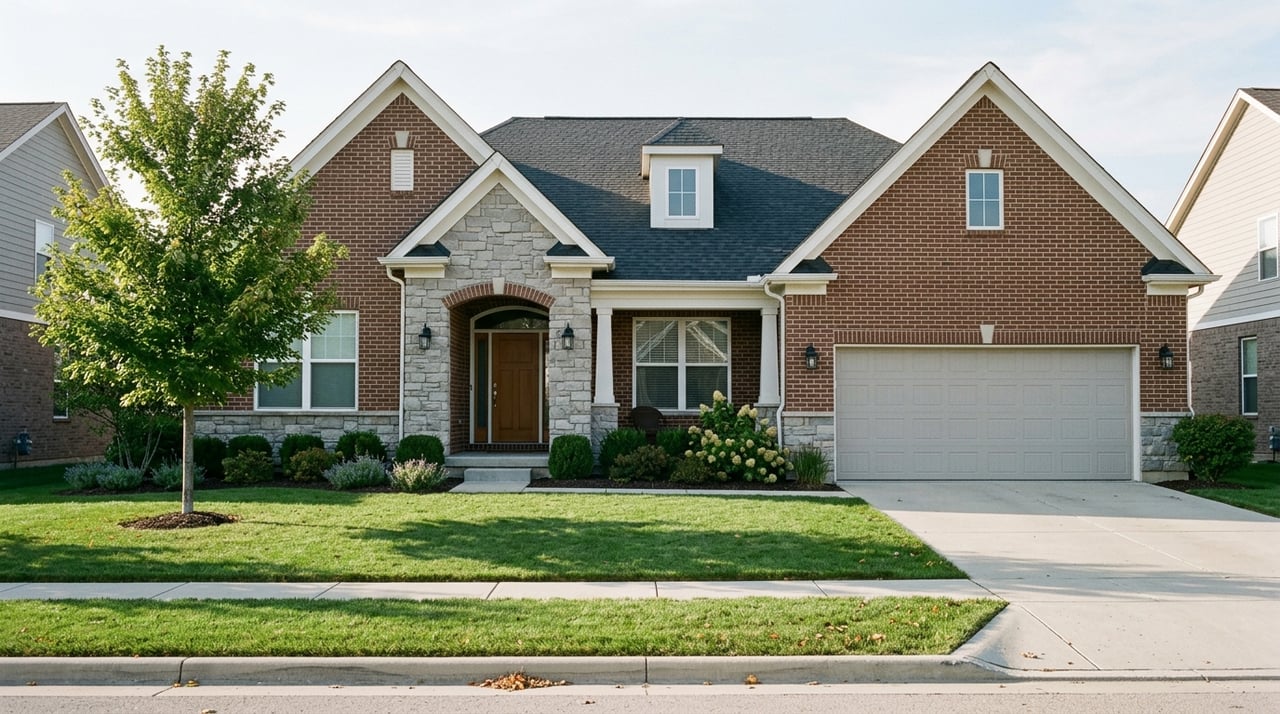
Walk through an active Garden City listing this fall and the pattern holds. A brick ranch on Garden City Drive, built in 1955, hit the market in early September with a roof and windows replaced in 2020 and a new furnace, central air system, and hot water tank installed in 2021. Three bedrooms, two full bathrooms, one level, a fenced backyard with room for a garden or a fire pit. No stairs to negotiate, no second story to heat, and the major mechanical systems already handled by a previous owner rather than left for the next one to discover during inspection.
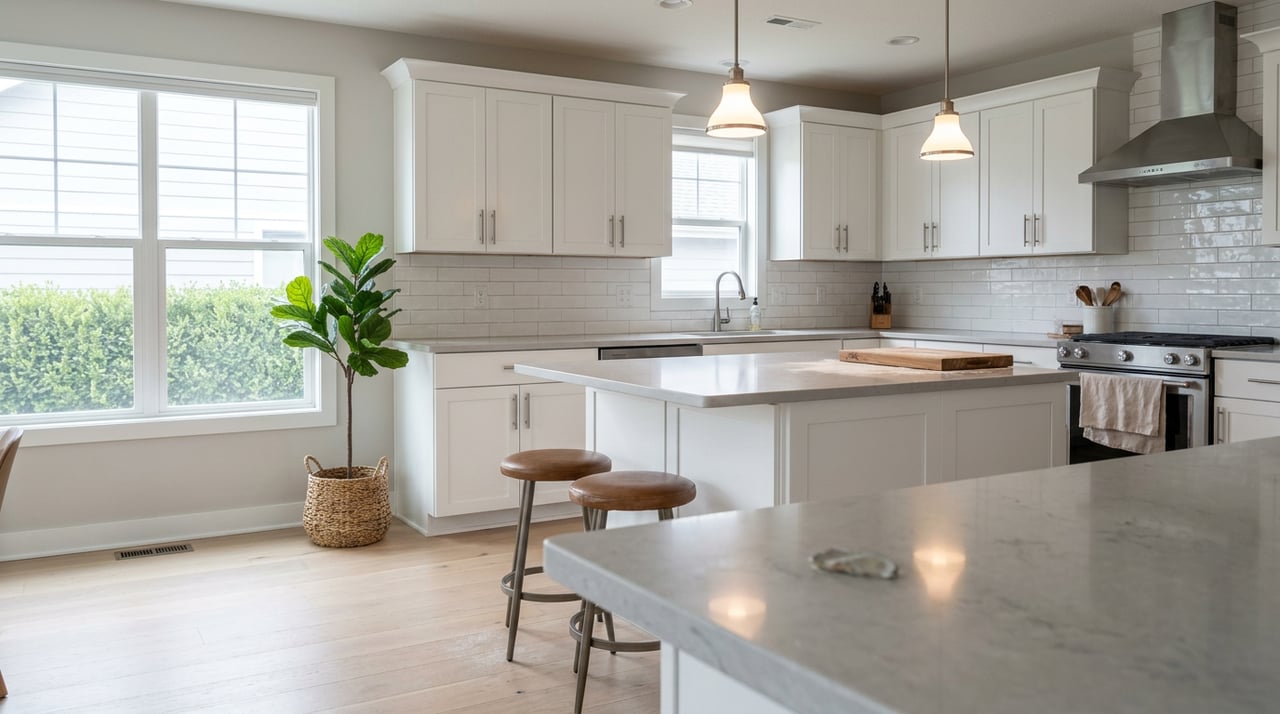
That's the trade a Garden City buyer is actually making against the borough median. Not less house for the same money. A different kind of house: smaller footprint, one-level living, an older shell with newer mechanicals, on a street where nearly every home was built inside the same fifteen-year window. A home that sold two blocks over in August 2024, a 1,560-square-foot four-bedroom on Garden City Drive, closed at $240,000 with an updated kitchen and a finished lower level. That's the ceiling this housing stock tends to hit even in a strong year for the borough overall.
Newer construction elsewhere in Monroeville, with more square footage and fewer original systems to account for, is what pulls the borough median above that ceiling. Garden City isn't behind the market. It's a different product inside the same zip code.
| Where the number comes from | Recent price point | What it reflects |
|---|---|---|
| Garden City active listings and recent sale (Hazelnut Dr., Cottonwood Dr., Garden City Dr., Aug. 2024 - Sept. 2026) | roughly $200,000 to $245,000 | 1955-era brick ranches, mostly one level, mostly under 1,600 square feet |
| Monroeville borough-wide, list and sold | $257,000 median list (Sept. 2026); $276,000 median sale, 3 months through June 2026 | full mix of housing stock, including newer and larger construction |
What this means if you're comparing neighborhoods
For a buyer, the practical takeaway is that Garden City's price band isn't a discount on Monroeville. It's a match to a specific kind of home: one-level living, mature trees, a short walk to the plaza and the pool, updated systems more often than not because so many original owners have already cycled through them. If one-level living and a fixed, predictable footprint matter more than square footage, this is where that trade shows up on paper.
For a seller inside Garden City, the borough median is the wrong number to anchor to. A 1955 ranch here won't appraise against new construction three miles away, and pricing it as though it should invites a stale listing rather than a fast one. The right comps are the other ranches on the same streets, priced against what buyers have actually paid for that vintage in the past two years, not against what Monroeville as a whole is doing.
Two questions worth asking before you compare
Does a lower price in Garden City mean the neighborhood is somehow behind the rest of Monroeville? No. It means the housing stock is older and smaller on average, not that the neighborhood itself carries less value. The swim club, the plaza, and the walkable layout the subdivision was built around in 1955 are still intact and still in use.
Should a Garden City home be priced or appraised against Monroeville's borough-wide median? It shouldn't. Appraisers and serious buyers pull comps from homes of a similar age, size, and one-level layout. Measuring a Garden City ranch against a borough median that includes newer, larger homes will produce a number that doesn't match what similar homes on the same streets have actually sold for.
If you're weighing a Garden City ranch against something newer elsewhere in Monroeville, or trying to figure out what your own 1955-era home is actually worth against its real comps rather than the borough median, the Jen Mascaro Team can walk through the specific sales on your street and tell you where your house lands.